Choosing cat food across borders is not as simple as comparing bags on a shelf. Ingredients, feeding needs, labeling, and local availability can vary by market. A familiar brand may also sell different formulas in different countries. Every bowl matters.
The market is substantial. Grand View Research estimated the global cat food market at about USD 32.6 billion in 2023 and forecast continued growth through 2030. That figure shows commercial scale, not nutritional quality. A higher price or polished package alone cannot establish that a food suits a particular cat. Age, health needs, activity, and the product’s feeding directions all deserve attention.
This Top 10 guide compares brands using practical, checkable criteria: nutritional information, ingredient transparency, range of life-stage formulas, and availability to global buyers. It also draws on the World Small Animal Veterinary Association’s Global Nutrition Toolkit, which advises pet owners to assess a manufacturer’s expertise, quality controls, and nutritional adequacy. WSAVA does not endorse specific brands, so this list should not imply otherwise. Product details can change, and regional formulas may differ. A label is useful, but it cannot tell the whole story. Use the comparisons as a starting point, then check the exact product sold in your country and seek veterinary advice when a cat has specific dietary needs.
A global buyer should judge cat food by evidence, not packaging claims. FEDIAF’s 2024 European industry report estimates 299 million companion animals across Europe, showing the scale and variety of pet-care needs. APPA’s 2024 National Pet Owners Survey reports 46.5 million U.S. households own cats. These figures describe different markets, but they underline why one country’s buying habits cannot stand in for global demand.
Nutrition comes first. Buyers should check whether a product states its nutritional purpose, lists ingredients clearly, and provides feeding guidance by life stage. Ask who formulates the food and how quality is controlled. A polished label is not proof. Independent veterinary nutrition guidance, such as WSAVA’s Global Nutrition Guidelines, can help frame those questions, though it does not certify individual products.
Then test the practical details. Compare cost per feeding, not just the shelf price; inspect can seams or pouch seals, and check whether translated instructions remain readable. Confirm that the supplier can provide consistent specifications, traceable batches, and dependable delivery. Taste matters, too. A perfect spreadsheet cannot predict what a cat will eat. No scorecard is flawless; regional preferences and supply changes can still disrupt a sound choice.

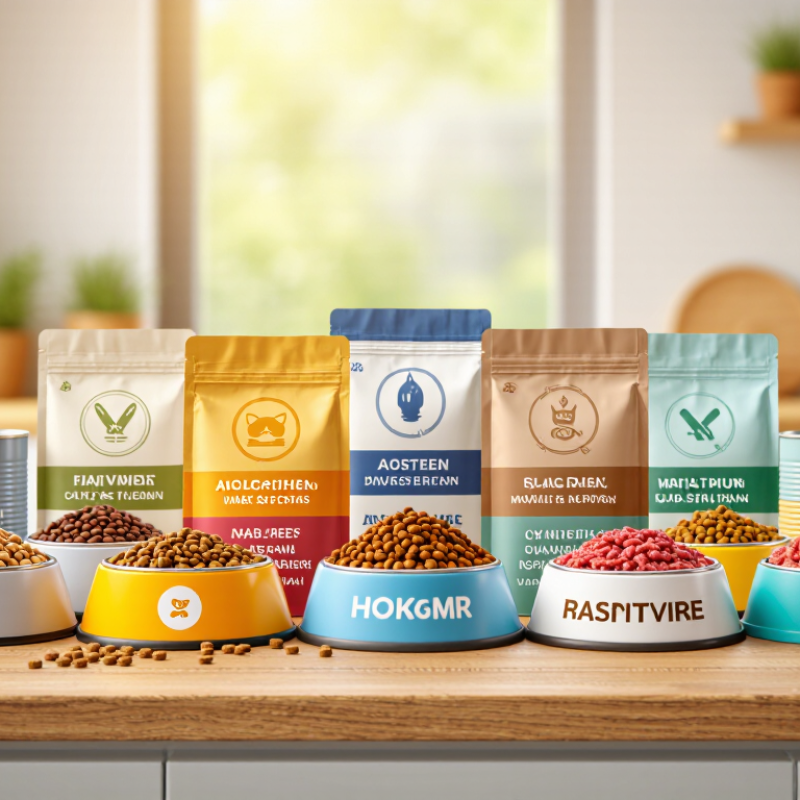
Cat food is sold as dry kibble, wet food, and less-common semi-moist formats. Their textures affect more than convenience. Dry food is easy to portion, while wet food brings more water to the bowl. That can matter for cats that drink little. Still, moisture alone does not determine nutritional quality.
The AAFCO Cat Food Nutrient Profiles set minimum crude protein levels of 26% for adult maintenance and 30% for growth and reproduction, measured on a dry-matter basis. These are minimums, not feeding targets for every cat. AAFCO also distinguishes complete diets from products intended only for supplemental feeding. Read the label carefully. The FEDIAF Nutritional Guidelines provide separate recommendations by life stage, helping explain why kitten food and adult-maintenance food are not interchangeable.
Food type also shapes practical feeding choices. Wet diets can help increase water intake, while measured kibble portions may suit households using puzzle feeders. Neither format automatically supports healthy weight; calories and serving size still count. Some cats need veterinary-formulated diets for specific health conditions. Those choices deserve professional guidance, not guesswork. A useful comparison starts with life stage, energy content, and the nutritional adequacy statement. It is easy to overlook the last one.
How Regional Standards and Availability Shape Brand Choices
A food that suits one cat may be hard to find—or labeled differently—elsewhere. Regional rules shape ingredient names, nutrition claims, feeding directions, and required packaging languages. Compare the nutritional analysis and life-stage statement, rather than relying on front-label wording alone. Check whether the food is identified as complete for your cat’s needs under standards used in your market. Terms can differ. A familiar recipe may also change when sold across borders, so inspect the current package.
Availability matters as much as formulation. A reliable local supply helps owners avoid abrupt diet changes, while shipping delays can make an appealing option impractical. Store conditions matter, too: look for intact seals, clear date codes, and dry, clean shelves. Online listings may show older packaging. Ask the seller if details conflict. A “top ten” list cannot fit every market; local veterinary advice and a cat’s health history may matter more than popularity.
Tips: Compare labels on products actually sold in your region. Ask a veterinarian before changing food for a cat with allergies or a diagnosed condition. Transition gradually when possible, and watch appetite, stool, and energy. Keep the receipt. Real-world tolerance can be messier than the label suggests.
The ten profiles below reflect different approaches in the worldwide cat-food market, not a fixed ranking. One large portfolio emphasizes life-stage formulas, from kitten meals to senior diets. A veterinary-focused producer develops foods for specific nutritional needs, usually with professional guidance.
A value-oriented company serves everyday feeding with widely available recipes. A premium meat-led maker highlights named animal proteins and simple ingredient lists. Another specializes in wet food, offering pâtés, chunks, and broths for cats that prefer moisture-rich meals. A freeze-dried specialist promotes concentrated recipes, though portion sizes and storage deserve attention.
A regional innovator adapts textures and flavors to local preferences. A sustainability-focused producer discusses sourcing and packaging, but buyers should check the details behind broad claims. A high-protein company builds recipes around animal ingredients and may offer grain-free options. A final profile supplies store-label products, where formulas can vary between markets.
Details matter.
Compare the nutritional statement, intended life stage, feeding guide, and manufacturer contact information on each package. Check whether the recipe is complete for daily feeding, rather than intended only as a topper. Availability can change, and labels may differ by country.
A polished ingredient list alone cannot tell the whole story. I would still want clearer sourcing information from some makers.
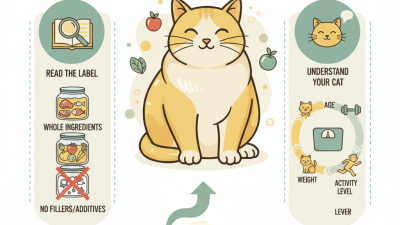
A cat’s age is a useful starting point when comparing food brands. Kittens need nutrient-dense meals that support growth, while adult cats generally need portions suited to their activity and body condition. Senior cats may benefit from textures they can chew comfortably, especially if appetite or dental comfort has changed. Small details matter.
Health needs can narrow the options. Check the nutrition statement, ingredient list, feeding guidance, and suitability for your cat’s life stage. For a diagnosed condition, ask a veterinarian before choosing a special diet; food alone should not replace medical care. A sensitive stomach, weight change, or repeated refusal deserves attention, not guesswork. Labels can differ by country, so confirm the package matches your local market.
Preferences matter, too. Notice whether your cat prefers pâté, chunks, or dry pieces, and whether a strong smell puts them off. Change foods gradually over several days, unless a veterinarian advises otherwise, and watch appetite, stool, and energy. Observe, then adjust. Cats can be stubborn, and one test meal proves little. Keep notes for a week; they may reveal a pattern that a quick glance misses.