Best Cat Food Brands for Healthy Happy Felines?
The quality of cat food plays a crucial role in maintaining the health and happiness of our feline friends. According to a report by the American Pet Products Association, nearly 62% of households in the U.S. own a cat. This rising number underlines the importance of understanding what constitutes quality cat food. Dr. Elizabeth Hodgkins, a well-known veterinarian and pet nutrition expert, states, "Choosing the right cat food is vital for your pet's wellness."
Many brands claim to be the best, but not all live up to their promises. Pet owners often face confusion about ingredients, nutritional value, and sourcing. Recent studies show that a balanced diet can lead to a 20% increase in the lifespan of indoor cats. This highlights the stark contrast between well-researched products and those lacking essential nutrients.
Despite the overwhelming choices available, several brands have distinguished themselves in the market. These brands invest in research and quality control, yet even among the best, there can be variations in formulation. This reality prompts careful consideration from pet owners. With so many options on shelves, educating oneself about cat food selections is necessary, albeit daunting. The right information can make a significant difference in your cat's life.
Overview of the Importance of Quality Cat Food
Cats are unique creatures with specific dietary needs. Providing high-quality cat food is crucial for their overall health and happiness.
A study by the Association of American Feed Control Officials (AAFCO) indicates that cats require a diet rich in protein, essential fatty acids, and vitamins. Good cat food supports healthy skin, shiny fur, and strong muscles. Nutrition plays a pivotal role in preventing obesity, which affected approximately 60% of pet cats according to the American Veterinary Medical Association (AVMA).
Moreover, the importance of fiber in a cat's diet cannot be overstated. Adequate fiber keeps the digestive system healthy and reduces issues like hairballs.
Research shows that diets with at least 3-5% fiber can enhance digestive health. Many pet owners still overlook ingredient labels, leading to suboptimal choices. Without attention to detail, cats may miss out on vital nutrients.
Ensuring your cat has a balanced diet requires diligence from owners. Regular vet consultations can help optimize feline nutrition tailored to individual health needs, making it a collaborative effort for a happy, healthy cat.
Key Nutritional Components for a Healthy Cat Diet
When considering the key nutritional components for a healthy cat diet, it's essential to focus on high-quality protein sources. Cats are obligate carnivores, which means their bodies require specific nutrients found primarily in animal products. According to the Association of American Feed Control Officials (AAFCO), a cat's diet should have at least 26% protein for growth and maintenance. This ratio supports not just muscle health but also overall energy levels.
Fats are also crucial in a feline diet. Healthy fats provide energy and help in the absorption of fat-soluble vitamins. A study from the Pet Food Institute shows that a balanced diet with around 20% fat content enhances cats' skin and coat health. However, excessive fat intake can lead to obesity, an increasingly common issue among house cats. Lastly, it's important to consider fiber, which can aid in digestion. Many cats benefit from a fiber content of 1-5% in their diet, promoting a healthy gut.
While formulating a cat's diet, variability is necessary. Not all cats may respond well to the same diet. Individual health conditions may require amendments to their nutritional intake. Monitoring body condition and behavior after dietary changes is key. Regular vet check-ups can help ensure that nutritional needs are being met effectively.
Top Cat Food Brands Recommended by Veterinarians
When selecting cat food, veterinarians often recommend high-quality brands that prioritize nutritional value. Many cat owners overlook vital ingredients that promote feline health. Ingredients should be rich in protein, primarily from animal sources. According to a 2021 survey by the American Pet Products Association, 70% of pet owners seek out brands that emphasize quality protein.
Specific nutrients, like taurine and omega-3 fatty acids, are crucial for cats. The Association of American Feed Control Officials (AAFCO) underscores the need for these in cat diets, as they support heart health and coat condition. Interestingly, many popular brands fail to meet these standards in comprehensive ways. Consumers often face difficulties identifying trusted brands. With our pets’ health at stake, research is essential.
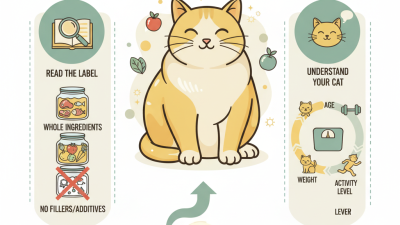
Veterinarians note common pitfalls. Many cat foods feature fillers like corn and soy that offer little nutritional value. Moreover, some brands advertise as premium yet do not disclose ingredient sourcing transparently. It’s vital to read ingredient labels carefully. Verify nutritional adequacy statements with reputable guidelines. In making informed choices, owners can enhance their cats' wellbeing.
Brands Catering to Specific Health Needs in Cats
When it comes to feline nutrition, many brands offer formulas tailored for specific health needs. Cats can suffer from allergies, digestive issues, or weight management challenges. A cat with sensitive skin may require a formula rich in omega fatty acids. A focus on high-quality protein sources is essential for muscle health.
For those cats dealing with obesity, some brands offer reduced-calorie options. These diets often replace high-calorie ingredients with fibers to help them feel full. Monitoring weight should be a regular part of your cat's health routine. Regular vet visits can provide insights into their weight and overall diet effectiveness.
Cats with urinary issues benefit from specific formulations that promote hydration. These diets often include ingredients to help dissolve crystals and adjust pH levels. Consider the balance in your cat's meals. A tailored approach often yields better results than a one-size-fits-all diet. It's essential to observe your cat’s reaction to any new food.
Evaluating Ingredient Quality and Sourcing Practices in Cat Foods
When selecting cat food, ingredient quality matters significantly. Cats thrive on a diet high in protein and low in carbohydrates. Recent studies show that a majority of pet owners overlook the importance of sourcing practices. Quality ingredients often indicate better nutritional value. According to the Pet Food Institute, over 70% of pet food ingredients in reputable products are sourced from the U.S. This ensures better safety and quality control.
Tips: Check the ingredient label. Look for real meat as the first ingredient. Organic or responsibly sourced ingredients are preferable.
Many pet food brands still face scrutiny for vague labeling. Some may use terms like “natural” without clear definitions. A report by the Association of American Feed Control Officials (AAFCO) stated that misleading labels could confuse owners. This lack of transparency can affect your cat's health significantly. Aim for brands that provide detailed sourcing information.
Tips: Avoid oversized bags of food. Buy in small quantities to keep ingredients fresh and safe. Regularly review your cat's health with your veterinarian.
Best Cat Food Brands for Healthy Happy Felines
This chart illustrates the average quality ratings based on ingredient quality and sourcing practices across various cat food categories. The data highlights the differences in nutritional quality among different types of cat food formulations.