Top 10 Cat Food Brands to Buy for Global Importers?
The global cat food market has experienced significant growth, surpassing $25 billion in 2022. This increasing trend reflects pet owners' willingness to invest in high-quality nutrition for their cats. Recent reports indicate that market demand is driven by a rising awareness of feline health and well-being, alongside the shift toward premium and specialized diets.
Importers must choose the right brands. Factors influencing this decision include ingredient quality, nutritional balance, and brand reputation. Companies like Royal Canin and Hill's Pet Nutrition continue to dominate the market. However, some brands struggle with transparency in sourcing ingredients. This raises concerns among consumers about product safety and quality.
The cat food landscape is diverse, with an array of options. Yet, not all products meet the needs of your feline friend. Importers should conduct thorough research to identify brands that align with nutritional standards and ethical sourcing practices. Engaging with veterinarians and nutrition experts can enhance decision-making in this competitive market.

Top Considerations for Choosing Cat Food Brands for Import
When choosing cat food brands for import, several crucial factors come into play. The nutritional value is paramount. According to a report by the Association of American Feed Control Officials (AAFCO), pet food should meet specific standards for essential nutrients. Global importers must ensure the brands they consider prioritize balanced nutrition to support feline health.
Ingredient sourcing is another key aspect. Transparency is vital, and brands should provide clear information on ingredient origins. Recent market research indicates that 55% of pet owners prefer brands that use high-quality, recognizable ingredients. Importers should be wary of brands making vague claims about ingredients to avoid potential consumer backlash.
Packaging matters too. Studies show that 70% of pet owners consider eco-friendly packaging a key selling point. Importers should look for brands that align with this trend to meet consumer expectations. Additionally, compliance with local regulations is essential. Non-compliance can lead to costly recalls and damage to reputation.
In this competitive market, understanding consumer perception is vital. Research suggests that approximately 40% of pet owners are willing to pay more for premium products. This means that highlighting brand value and trustworthiness can be essential for imported products. Therefore, importers should carefully evaluate brands not just on quality but also on how they are perceived in the market.
Overview of the Global Cat Food Market Trends
The global cat food market is experiencing remarkable growth, driven by a rise in pet ownership and increasing consumer awareness about pet nutrition. According to recent industry reports, the market is projected to reach around $28 billion by 2025, growing at a CAGR of 5.4%. This trend highlights the potential for importers looking to enter the market.
Several factors influence consumer purchasing decisions. Pet owners are increasingly focusing on premium quality ingredients and organic options. A survey noted that nearly 70% of cat owners prioritize nutrition when selecting food for their pets. However, not all products marketed as "premium" deliver on their promises, leading to confusion and mistrust among consumers.
It's essential for importers to stay informed. Understand the latest trends, such as the shift toward grain-free diets and sustainable packaging. Engaging with pet nutrition experts can provide valuable insights. Monitor how competitors are shaping their marketing messages. Reflecting on these insights can help businesses avoid pitfalls in a crowded marketplace.
When looking for new products, consider the quality of ingredients and the brand’s commitment to safety standards. Reliable certifications can boost consumer confidence. Pay attention to how products align with current health trends and regulations. Making informed choices can set your brand apart in this competitive landscape.
Key Features of High-Quality Cat Food Brands
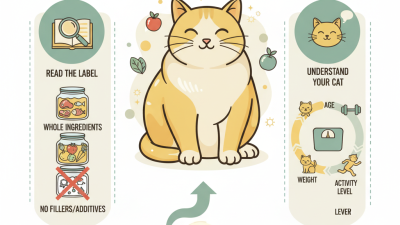
When seeking high-quality cat food brands, it's essential to consider several key features. Nutritional balance tops the list. A well-rounded diet should include proteins, fats, vitamins, and minerals. Cats are obligate carnivores, so protein sources must be of high quality. Look for specific meat ingredients, not vague terms like "meat by-products." This ensures your feline friend's diet is rich in necessary nutrients.
Another important aspect is ingredient sourcing. Reliable brands often commit to ethical sourcing practices. Transparency in ingredient lists builds trust. You want to avoid food that includes fillers, artificial additives, or excessive grain content. Often, pets may react negatively to these ingredients, resulting in digestive issues. Observing your cat after introducing new food is important. Sometimes, a trial-and-error approach reveals what works best for them.
Finally, consider the brand's reputation in the veterinary community. Recommendations from veterinarians can guide importers in their choices. Brands that invest in research and development tend to demonstrate superior quality. However, not every highly marketed food guarantees high quality. Nutrition might vary significantly, so it is wise to scrutinize labels carefully. Keeping these factors in mind aids in selecting cat food that is beneficial for your cat's health, ensuring their well-being.
Top 10 Cat Food Brands to Buy for Global Importers
| Brand Type |
Protein Source |
Grain Free |
Life Stage |
Special Dietary Needs |
Sourcing Transparency |
| Dry Food |
Chicken |
Yes |
Adult |
Sensitive Stomach |
High |
| Wet Food |
Fish |
No |
Kitten |
None |
Medium |
| Raw Food |
Lamb |
Yes |
Senior |
Weight Management |
Very High |
| Grain-Free Dry Food |
Duck |
Yes |
Adult |
Allergies |
High |
| Freeze-Dried |
Turkey |
Yes |
All Life Stages |
None |
Medium |
| Organic Food |
Chicken |
No |
Adult |
None |
Very High |
| Sensitive Stomach Formula |
Fish |
Yes |
Adult |
Sensitive Stomach |
High |
| Weight Control |
Chicken |
Yes |
Adult |
Weight Management |
Very High |
| Natural Ingredients |
Beef |
No |
All Life Stages |
None |
Medium |
| Holistic Blend |
Rabbit |
Yes |
Adult |
Skin & Coat Health |
High |
Top 10 Cat Food Brands with Import Potential
When considering cat food brands with import potential, quality and nutritional balance are key factors. Many global importers seek brands that offer premium ingredients, potentially leading to better health outcomes for pets. Look for options rich in protein and free from artificial additives. These elements can boost market appeal and consumer trust.
It's important to note the rising demand for organic and grain-free formulas. These products tend to attract health-conscious consumers. However, not every brand meets stringent quality standards. Some may lack transparency in sourcing ingredients. Importers should thoroughly evaluate suppliers to ensure that they align with consumer expectations and local regulations.
Additionally, packaging plays a vital role. Eye-catching designs can enhance shelf presence. Consider brands that invest in eco-friendly packaging. This not only conveys a commitment to sustainability but can also attract a loyal customer base. Despite the challenges in navigating import regulations, brands that focus on innovation and quality tend to stand out in competitive markets.
Regulatory Standards for Importing Cat Food Products
Regulatory standards for importing cat food products vary widely across different regions. Key considerations include ingredient sourcing, nutritional content, and labeling requirements. According to the World Animal Health Organization, countries enforce regulations to ensure product safety and quality. Importers must be aware of these standards to avoid shipment delays and potential fines.
Most regions require that imported cat food meets specific nutrient profiles. For instance, the Association of American Feed Control Officials (AAFCO) outlines minimum requirements for protein, fat, and essential vitamins. Many importers overlook these details, which can lead to compliance errors. The percentage of non-compliant products has increased globally, highlighting the need for continuous education on these standards.
Documentation is another critical aspect of the import process. Quality certificates and ingredient declarations must accompany shipments. A 2022 report by the Pet Food Manufacturers Association revealed that inconsistencies in labeling are common. This can lead to mistrust among consumers and undermine brand reputation. Keeping records organized and up-to-date is essential for a smooth importing process.