What Is Nutrish Puppy Food?
Choosing food for a growing puppy can feel simple until you face a shelf of bags, ingredient lists, and feeding charts. This guide explains what Nutrish puppy food is, what its labels can tell you, and what to check before bringing a bag home. Nutrish is a pet-food brand with products marketed for dogs, but recipes and availability may differ by product and location. Details matter.
When evaluating a puppy formula, look for a statement that it is complete and balanced for growth, then compare its feeding directions with your puppy’s age, weight, and expected adult size. Check the ingredient list, calorie information, and any stated life-stage guidance on the exact package; brand names alone do not confirm a recipe’s suitability. Nutritional needs can vary, especially for large-breed puppies, so a veterinarian can help interpret the label. Labels can change.
This overview is not a substitute for individual veterinary advice, and it does not assume every Nutrish recipe suits every puppy. A food that works well for one dog may not work as well for another. Notice practical signs, too: whether your puppy eats comfortably, maintains steady growth, and has consistent digestion. If you are changing foods, ask your vet about a gradual transition and monitor your puppy closely.

Nutrish Puppy Food: Brand and Product Overview
A puppy-food range is intended to support growth, with recipes commonly offering protein, fat, and essential nutrients in proportions suited to young dogs. Exact ingredients and nutrient levels depend on the specific formula, so the package label matters more than broad product descriptions. Growth is demanding. Check the feeding guide for your puppy’s age and expected adult size, then adjust portions with veterinary guidance as growth changes.
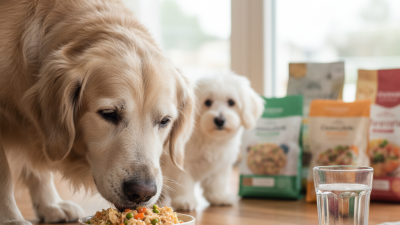
Kibble size and texture can affect how easily a puppy eats. Watch a meal: does your puppy chew comfortably, finish at a steady pace, and seem settled afterward? Small details matter. When changing foods, introduce the new recipe gradually over several days; an abrupt switch may upset digestion. Keep fresh water nearby, store the bag sealed in a cool, dry place, and use the printed date and storage instructions. Ingredient lists can look reassuring, but they do not show whether a particular food suits every puppy. Weight, stool quality, appetite, and energy provide useful clues. If these change noticeably, ask a veterinarian rather than guessing from the label alone. That’s a practical step, even when the cause is unclear.
Puppy Food Nutrition: AAFCO Growth Profile Minimums
These values are minimum nutrient levels in the AAFCO Dog Food Nutrient Profile for growth and reproduction, expressed on a dry matter basis. They describe nutritional profile requirements, not the guaranteed analysis of any particular food. Check the product label for a statement that the food is complete and balanced for growth.
Available Formulas and Intended Life Stages
Puppy food is commonly sold as dry kibble, canned food, or a combination of both. Dry pieces are easy to portion and store, while wet food has a softer texture and adds moisture to meals. Some puppies prefer one texture immediately. Others need a gradual change.
The intended life stage matters more than the package’s appealing pictures. A food labeled for puppies is formulated for growth, with nutrients such as protein, fat, and calcium in amounts suited to young dogs. Small-breed puppies may benefit from smaller kibble, while large-breed puppies often need carefully balanced growth nutrition. Check the life-stage statement and feeding guide, rather than relying on the word “natural” or a flavor description.
Puppies do not all grow at the same pace. A very active pup may need different portions from a quieter littermate, and feeding charts are only starting points. Weigh your puppy regularly and watch body shape: ribs should be easy to feel, not sharply visible. Change foods over several days to reduce stomach upset. If growth seems unusually slow, or stools stay loose, ask a veterinarian to review the diet and feeding amount. The label can guide you, but it cannot assess an individual puppy.
Ingredients and Nutritional Profile
What Is Nutrish Puppy Food?
Ingredients and Nutritional Profile
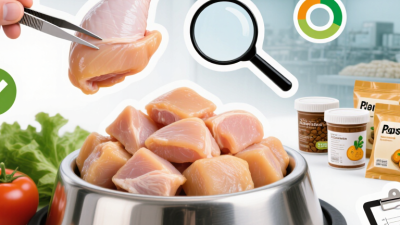
Puppy food is designed to support rapid growth, developing muscles, and energetic play. Recipes commonly include animal protein, such as chicken or fish, alongside grains or other carbohydrate sources. These ingredients provide protein and energy, but the exact mix varies by recipe. Check the label rather than assuming every formula is alike.
Puppies also need fat for energy and essential fatty acids for healthy development. Some recipes include DHA, a fatty acid associated with brain and eye development. Calcium and phosphorus support growing bones, but their balance matters. Ingredient lists can look reassuring, yet they do not show the full nutritional picture. The guaranteed analysis and feeding directions offer useful context.
Labels matter. Look for a statement that the food is complete and balanced for puppy growth, or for all life stages. Then compare the suggested portion with your puppy’s age, size, and activity. A puppy that leaves food behind or gains weight quickly may need a portion adjustment, guided by a veterinarian. Fresh water should always be nearby. Changes in appetite, stool, or coat can also be worth discussing with a professional; one detail alone rarely tells the whole story.
Feeding Guidelines and Food Transitioning
Puppy food is formulated to support rapid growth, but the right serving depends on age, expected adult size, and activity. Check the feeding chart on the food package, then measure each meal with a cup or kitchen scale. A chart is a starting point, not a rule for every puppy. Watch your puppy’s body shape: ribs should be easy to feel but not sharply visible, and the waist should remain noticeable from above. Adjust portions gradually and ask a veterinarian if growth or weight seems unusual. Keep fresh water nearby. Small details matter.
Changing foods too quickly can upset a puppy’s stomach. Over about seven to ten days, mix a little of the new food into the old, increasing the new portion every few days. For example, begin with roughly one part new food to three parts old food. If stools become loose or your puppy refuses meals, pause the change and contact a veterinarian if symptoms persist. Puppies can be fussy. It happens. Keep meal times calm, avoid frequent extra treats, and count treats as part of the day’s intake. Growth is not perfectly even, so feeding may need thoughtful adjustment over time.
What Is Nutrish Puppy Food? - Feeding Guidelines and Food Transitioning
| Topic |
General Guidance |
Helpful Notes |
| What puppy food is |
Food formulated to provide the nutrients and energy needed during growth. |
Choose a complete and balanced food labeled for growth. For puppies expected to reach a large adult size, check that the food is appropriate for growth of large-size dogs. |
| 6–12 weeks |
Usually 4 meals per day. |
Offer measured meals on a regular schedule and follow the food label’s starting portion guidance. |
| 3–6 months |
Usually 3 meals per day. |
Adjust portions as the puppy grows, and count treats as part of the day’s total intake. |
| 6–12 months |
Most puppies can be fed 2 meals per day. |
The right amount depends on age, expected adult size, activity, body condition, and the food’s calorie content. |
| Daily portion |
Use the package feeding chart as a starting point, then divide the daily amount among meals. |
Feeding charts are estimates. Monitor growth and body condition, and ask a veterinarian to help adjust portions when needed. |
| When to change to adult food |
Timing varies with size and development. Small dogs often mature around 9–12 months; larger dogs may need puppy food until about 12–18 months, and giant breeds may take longer. |
Ask a veterinarian when to switch, especially for large or giant breeds. |
| Gradual Food Transition |
| Days 1–2 |
75% current food + 25% new food |
Mix the foods together and keep meal times consistent. |
| Days 3–4 |
50% current food + 50% new food |
Measure the portions consistently; foods can have different calorie densities. |
| Days 5–6 |
25% current food + 75% new food |
Watch appetite and stool consistency while the proportions change. |
| Day 7 onward |
Feed 100% new food if the puppy is tolerating the transition. |
Some puppies may need a slower transition over 7–10 days. Contact a veterinarian if vomiting, diarrhea, or other concerning symptoms occur. |
| Water and monitoring |
Keep fresh, clean water available at all times. |
Regular weight checks and veterinary visits help assess whether feeding amounts and growth are appropriate. |
General information only: individual feeding needs vary. Follow the food label and your veterinarian’s advice for your puppy.
How to Assess Whether It Suits Your Puppy
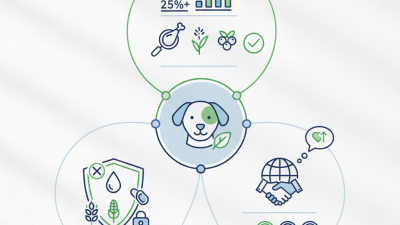
Puppy food is formulated to support rapid growth, but a label alone cannot tell you whether a recipe suits your individual puppy. Check that the package states it is complete and balanced for growth, or for all life stages. AAFCO’s Dog Food Nutrient Profiles set growth-stage minimums of 22.5% protein and 8.5% fat on a dry-matter basis. These figures are not percentages to compare directly with the label’s as-fed guaranteed analysis. Moisture changes the comparison. I would not judge a food by its front label alone.
Consider your puppy’s age, expected adult size, activity, stool quality, and health history. Large-breed puppies need particular attention to controlled growth and mineral balance; ask your veterinarian whether the food is appropriate for their expected size. The National Research Council’s Nutrient Requirements of Dogs and Cats explains that energy needs change with growth, so feeding-chart portions are starting points, not precise prescriptions. Weigh portions, then watch body shape: WSAVA’s body condition scoring guidance generally places an ideal score at 4–5 on a nine-point scale. Look for ribs you can feel without pressing hard. Small details matter. I still find it easy to overlook treats, which can quietly add calories. If your puppy has persistent digestive problems, poor growth, or a medical condition, seek veterinary advice before switching foods.