What Is the Best Type of Puppy Dog Food in 2026?
Choosing the best puppy dog food in 2026 requires more than attractive packaging or impressive ingredient lists. A growing puppy needs balanced energy, high-quality protein, essential fatty acids, calcium, phosphorus, and carefully controlled calories. Its food must support bones, muscles, immunity, digestion, and healthy brain development. Small details matter, including kibble size, feeding frequency, and the puppy’s expected adult weight.
The American Pet Products Association’s 2025 State of the Industry report valued U.S. pet industry spending at approximately $152 billion in 2024. That growth reflects stronger owner investment, but it also creates more confusing choices. More products do not automatically mean better nutrition. The U.S. Food and Drug Administration explains that “complete and balanced” foods should meet AAFCO nutrient profiles or pass appropriate feeding trials. AAFCO’s Dog and Cat Food Nutrient Profiles remain an important technical reference for evaluating nutritional adequacy.
Veterinary nutrition guidance adds further caution. The World Small Animal Veterinary Association recommends judging diets by formulation, quality control, feeding research, and manufacturer transparency. FEDIAF’s nutritional guidelines provide another respected reference, especially for European products. Still, no single report can identify the perfect bowl for every puppy. Breed size, age, activity, allergies, stool quality, and medical history all influence the decision. I may be tempted to trust a premium label too quickly. That would be a mistake. This guide examines puppy dog food through evidence, practical feeding experience, and professional standards, while acknowledging that even careful recommendations deserve regular review.

Understanding Puppy Nutritional Needs in 2026
What Is the Best Type of Puppy Dog Food in 2026?
Understanding Puppy Nutritional Needs in 2026
The best puppy food supports steady growth, strong bones, and healthy brain development. In 2026, nutrition experts still recommend a complete, balanced formula made for puppies. Puppies need more energy, protein, calcium, phosphorus, and essential fatty acids than adult dogs. DHA may support developing vision and learning. However, more nutrients do not always mean better results.
A puppy’s size, breed, age, activity, and health can change the ideal diet. Large-breed puppies need carefully controlled calories and minerals. Excessive growth may increase joint stress. Small breeds often need smaller pieces and more energy per bite. Check the food’s nutritional adequacy statement. It should clearly support growth, not only adult maintenance. A veterinarian can assess body condition, stool quality, coat health, and growth rate.
Dry food offers convenience and dental texture. Wet food can improve hydration and appetite. A mixed approach may work well. Measure every meal with a kitchen scale when possible. Feeding guides are useful, but they are not perfect. I would not follow a label blindly. A puppy who gains weight too quickly may need less food, even when acting hungry. Treats should stay limited, and fresh water must always be available. Change diets gradually over several days, because even excellent food can upset an unprepared stomach.
Comparing the Main Types of Puppy Dog Food
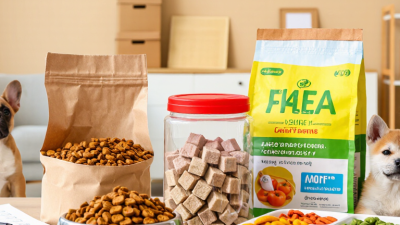
Choosing the best puppy food means comparing formats, not chasing the loudest claim. Dry food is affordable, easy to measure, and less messy around a feeding bowl. It also supports consistent calorie control, which matters because excess growth can stress developing joints. Wet food provides more water and a softer texture for puppies with small or sensitive mouths. However, it usually costs more per calorie and spoils quickly after opening.
Freeze-dried food offers convenience and concentrated flavor, but it can be calorie-dense. Raw diets deserve careful skepticism. In a 2015 FDA study, 15 of 196 raw pet-food samples tested positive for Salmonella, while 32 contained E. coli. Cooking reduces these hazards. WSAVA guidance also states that evidence does not prove raw feeding provides superior health outcomes. Look for a complete-and-balanced statement for growth, supported by AAFCO or FEDIAF nutrient standards. Labels help, but they are not perfect. Feeding trials and transparent nutrient information deserve more weight.
Tips: Weigh each meal with a kitchen scale. Check body shape weekly. Your puppy should have visible waist definition, not a round belly. Mix wet and dry foods if calories remain controlled. Ask a veterinary professional before choosing homemade or raw feeding, especially for large-breed puppies. Small mistakes can compound quickly.
Evaluating Ingredients, Safety, and Nutritional Quality
What Is the Best Type of Puppy Dog Food in 2026?
The best puppy food supports steady growth, safe digestion, and healthy brain development. Start with a complete-and-balanced statement for puppies, ideally supported by recognized feeding standards. Named animal proteins should appear near the beginning of the ingredient list. Chicken, salmon, or lamb are clearer than vague terms like “meat derivatives.” However, ingredients alone do not prove quality. Nutrient balance matters more than attractive wording.
Look for appropriate calories, protein, fat, calcium, and phosphorus. Large-breed puppies need carefully controlled mineral levels, because rapid growth can strain developing bones. DHA may support brain and vision development. Safety also deserves close attention. Check the expiration date, sealed packaging, storage directions, and recall history. Wash bowls daily. Discard food with an unusual smell or damaged packaging.
Tips: Change foods gradually over seven days. Measure meals with a scale when possible. Watch your puppy’s stool, coat, energy, and body shape. A veterinarian can adjust portions as growth changes. Puppies are not identical. Some tolerate chicken well, while others develop itching or loose stools. I once assumed a higher protein percentage was always better, but that view was too simple. Ingredient quality, digestibility, and balanced nutrition must be judged together. Labels can still confuse careful owners.
Choosing Food for Your Puppy’s Breed, Size, and Life Stage
What Is the Best Type of Puppy Dog Food in 2026?
Choosing puppy food should begin with breed, expected adult size, and life stage. Puppies need complete, balanced nutrition for growth, not simply high protein. Look for a statement showing the food supports puppy development. Your veterinarian can confirm whether it suits your puppy’s health and growth pattern.
Small and toy breeds often need energy-dense food in tiny pieces. Their fast metabolism may require several measured meals daily. Large-breed puppies need controlled calories and carefully balanced minerals. Excessive growth can stress developing bones and joints. Breed-specific formulas can help, but they are not automatically better. Individual needs matter more.
Read the feeding guide as a starting point, not a strict rule. Watch your puppy’s ribs, stool quality, energy, and weight changes. A seven-day transition can reduce digestive upset. Keep fresh water available. Simple habits help.
Even careful choices can miss the mark. A puppy may dislike a food that looks nutritionally excellent. Another may develop loose stools after a seemingly gentle change. I once assumed appetite proved suitability, but body condition told a different story. Adjust portions slowly, record changes, and seek veterinary advice for persistent diarrhea, itching, poor growth, or unusual tiredness.