China Best Dog Chews Manufacturer for Wholesale Buyers?

Finding the right China dog chews manufacturer takes more than comparing prices. Wholesale buyers need consistent products, clear communication, and dependable production schedules. Dog chews vary in ingredients, size, texture, and processing methods. Those details affect how products suit different dogs and retail channels. A reliable supplier should explain its materials, manufacturing steps, quality checks, and packaging options. Ask for product specifications and samples before discussing a large order. Then compare the sample with the written description. Small differences matter.

There is no perfect supplier. A low price may come with longer lead times or fewer customization options. Buyers should ask how batches are checked, how concerns are handled, and what records can be provided. Factory visits or independent assessments may offer useful context, though neither replaces careful product review. Check that labels and supporting documents meet the requirements of your intended market. Details vary. This guide explores practical ways to assess manufacturers, compare offers, and spot unanswered questions before committing. It also considers communication, order flexibility, production capacity, and long-term cooperation. The aim is not to name a universal winner, but to help wholesale buyers make a more informed choice. A few questions may remain even after careful research. That is a reason to verify, not to guess.

China Best Dog Chews Manufacturer for Wholesale Buyers?

What Dog Chews Are and How They Serve Different Needs

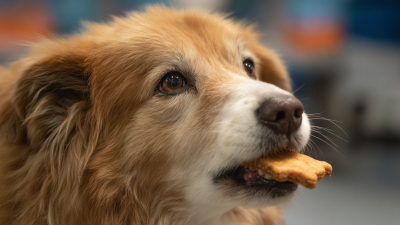
Dog chews include edible treats and non-edible chew toys designed for different habits and routines. Edible options may offer a brief reward or occupy a dog during quiet time. Their ingredients, size, and texture should suit the dog’s age and chewing strength. Firmer chews may interest persistent chewers, but no chew is suitable for every dog. Not every chew fits. A dog that swallows pieces quickly may need a different option and closer supervision.

Tips: Choose a chew larger than your dog can swallow whole, and check it often for sharp edges or loose pieces. Take it away when it becomes small enough to swallow. Chewing does not replace brushing or veterinary dental care.

For wholesale buyers, clear product specifications help match chews to real use cases. Useful details include dimensions, ingredients, texture, intended dog size, and storage guidance. Ask how batches are checked for consistency, since a small size change can affect suitability. A chew may look right on paper, yet feel too hard for a particular dog. That is worth considering before placing a large order.

China Best Dog Chews Manufacturer for Wholesale Buyers? - What Dog Chews Are and How They Serve Different Needs

Chew Type Typical Material Texture and Chewing Profile Commonly Suited Needs Wholesale Buyer Considerations
Single-ingredient meat chews Dried animal parts such as beef tendons or gullet Varies by cut and processing; often chewy and flexible Dogs that enjoy meat-based treats; may provide an engaging chewing activity Check ingredient declarations, country of origin, processing details, moisture levels, and batch consistency.
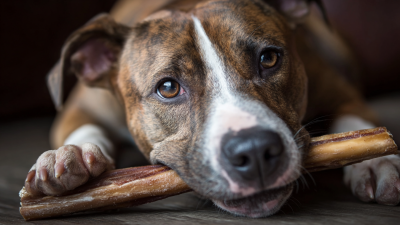
Bully sticks Dried beef pizzle Chewy; thickness and chewing time vary by size and individual dog Dogs that prefer an animal-protein chew and supervised chewing sessions Confirm the product is correctly identified, dried and packaged appropriately, and supplied in consistent lengths and thicknesses.
Rawhide chews Processed inner hide, commonly from cattle Firm when dry; softens as it is chewed Dogs that enjoy a longer-lasting chew, when the shape and size are suitable Review processing and ingredient information. Rawhide may pose choking or digestive risks, particularly if large pieces are swallowed.
Dental-style chews Edible ingredients such as starches, plant fibers, and proteins Designed to be chewed; firmness and shape depend on the formulation May support mechanical cleaning during chewing; not a replacement for tooth brushing or veterinary dental care Check the intended size range, feeding directions, calorie information, and whether dental claims are appropriately substantiated.
Fish-skin chews Dried fish skin Typically crisp or leathery, depending on drying and thickness Dogs whose owners seek a fish-based treat or an alternative to some land-animal proteins Verify fish species, allergen and cross-contact information, odor control, packaging protection, and storage guidance.
Hard cheese-style chews Pressed and dried milk solids Very firm; may soften with prolonged chewing Dogs that prefer a firm chew and can manage the product safely under supervision Review milk-ingredient disclosure, feeding instructions, product dimensions, and suitability warnings for dogs with dietary sensitivities.
Vegetable-based chews Plant ingredients such as starches, fibers, or vegetables Ranges from soft to firm, depending on formulation and shape Owners looking for a non-meat option, subject to the dog’s dietary needs and ingredient tolerance Check the full ingredient list, nutritional information, texture consistency, and any cross-contact statements.

Safety and selection: Choose a chew larger than the dog’s mouth when appropriate, match firmness and size to the dog’s chewing style, and supervise every chewing session. Remove small pieces or a chew that becomes a choking hazard. No chew is suitable for every dog; consult a veterinarian when dietary, dental, or swallowing concerns apply.

How to Assess a Dog Chew Manufacturer in China

Assessing a dog chew manufacturer in China starts with the product, not a sales brochure. Ask for ingredient specifications, origin records, and a clear description of each processing step. Compare samples with written ranges for size, weight, texture, and moisture. Small differences matter. A chew that arrives softer or thinner than the approved sample may lead to handling issues or customer complaints.

Request batch records and test reports linked to identifiable production lots. Check what the tests cover, who performed them, and how failed results are handled. Visit the facility when practical, or arrange a live video walkthrough. Look for orderly raw-material storage, pest controls, calibrated scales, and separation between incoming ingredients and finished goods. Photos help, but they do not replace records. Ask directly. A supplier may have polished paperwork and still struggle with consistency.

Discuss capacity with a trial order before committing to large wholesale volumes. Track delivery timing, carton condition, label accuracy, and variation across batches. Ask how ingredient or process changes are communicated, and keep your own retained samples. Do not guess. No checklist removes every risk, so revisit the assessment after product changes. That step is easy to neglect.

Which Materials and Product Types Suit Wholesale Buyers

For wholesale buyers, material choice should start with the dog’s size, chewing strength, and likely repeat-purchase needs. Beef collagen chews offer a firm, slowly chewed option, while poultry and fish formats can suit buyers seeking different protein sources. Plant-based chews add variety, but texture and durability need careful testing. Not every dog prefers them. The American Pet Products Association’s 2024 State of the Industry report estimated U.S. pet-industry spending at $150.6 billion for 2024. That figure covers the wider pet market, not chews alone, but it signals substantial consumer spending. Buyers should still validate local demand before committing to large volumes.

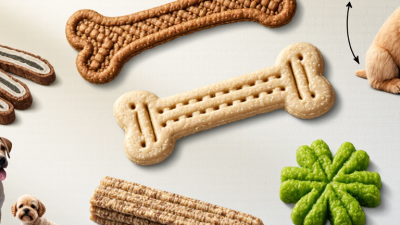
Product types can include single-ingredient dried chews, braided or rolled formats, and dental-style chews. Compare dimensions, hardness, odor, breakage, and shelf stability across samples. Ask suppliers for ingredient traceability and batch-level quality checks; attractive packaging cannot fix uneven product quality. Small details matter. The World Small Animal Veterinary Association’s Global Nutrition Guidelines recommend keeping treats below 10% of a dog’s daily calories. That makes clear feeding guidance useful for retailers and customers. No single chew suits every dog, and wholesale assortments sometimes overemphasize novelty. A balanced range of sizes and textures is more practical, though buyer testing may reveal surprises.

China Best Dog Chews Manufacturer for Wholesale Buyers? Which Materials and Product Types Suit Wholesale Buyers

Typical chew-time planning estimates for medium-sized dogs (minutes)

Chew time varies with a dog’s size, chewing style, and the product’s dimensions. Use these approximate ranges as a starting point when comparing product formats; supervise dogs during chewing and remove small pieces.

How Quality Control and Safety Standards Are Verified

China Best Dog Chews Manufacturer for Wholesale Buyers?

Quality control should be visible in records and in the production process. Ask how each batch is identified, from incoming ingredients to packed chews. A reliable manufacturer can show supplier checks, production logs, and clear procedures for holding products that fail inspection. Request recent test reports, not just a general quality certificate. Check that reports identify the tested product and batch.

Look closely at the testing plan. Depending on the ingredients and product type, checks may cover moisture, microbial levels, unwanted residues, and chew consistency. Ask who performs the tests and how often samples are taken. Independent laboratory results can add useful verification. So can a factory visit, where buyers can observe clean work surfaces, separated materials, and labeled storage bins. Small details matter.

Packaging deserves attention too. Confirm that seals protect the chews from moisture and that batch codes remain readable. Ask how complaints and quality issues are recorded, investigated, and followed up. No checklist catches everything; occasional problems can still happen. What matters is whether the manufacturer can trace affected batches and explain corrective steps with evidence, not vague assurances.

How to Compare Suppliers, Pricing, and Order Terms

Wholesale buyers comparing dog-chew suppliers should start with product specifications, not the lowest quote. Ask for ingredient lists, chew dimensions, moisture ranges, packaging details, and batch-level quality records. Request samples from the production type you plan to order; a handpicked sample may not represent routine output. Check odor, texture, size variation, and how the chew holds up after opening. Small details matter. A supplier should explain inspection steps, including what happens when a batch misses agreed limits. If answers stay vague, pause. A polished catalog is not proof of consistent manufacturing.

Compare prices on a like-for-like basis: unit cost, packaging, setup charges, freight, and fees for smaller runs. Confirm minimum order quantity, production lead time, reorder capacity, and quote expiry dates. A low unit price can become expensive when cartons, delivery, or delays are excluded. Ask for the payment schedule in writing, along with terms for inspection, replacement, and defective goods. Check whether the supplier can provide dated production updates and documents relevant to your destination. I would still allow for a small trial order; planning can miss something. Even a clear contract cannot make every delivery perfect, but clear terms make problems easier to discuss.