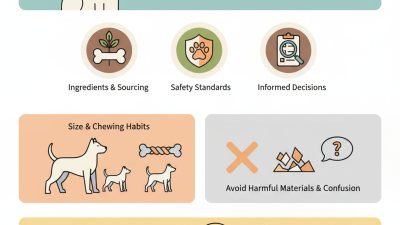
2026 Top Types of Dog Chews for Wholesale Buyers

For wholesale buyers, choosing dog chews in 2026 requires more than comparing prices and package sizes. Retailers must evaluate chewing strength, ingredient quality, digestibility, odor, shelf life, and customer expectations. A chew that sells quickly may still create complaints if it splinters, smells strongly, or does not suit smaller dogs. The details matter.

Dr. Jan Bellows, a veterinary dental specialist, has said, “Chewing can help reduce plaque, but it cannot replace brushing.” This reminder keeps product claims realistic. Dog chews may support chewing behavior and oral care, but they are not a complete dental solution. Buyers should review material safety, calorie content, manufacturing controls, and clear feeding guidance. They should also consider whether suppliers provide batch information and consistent product specifications.

This guide examines popular wholesale categories, including natural chews, collagen sticks, dental chews, rubber products, nylon options, and plant-based alternatives. Each type has strengths and limitations. Some dogs need softer textures. Powerful chewers need greater durability. Puppies need special care. No category is perfect.

That is worth remembering.

A practical buying decision also considers packaging, storage conditions, retail presentation, and repeat-purchase potential. Sustainable sourcing may attract modern customers, but vague environmental claims require closer checking. I would not treat low cost as proof of value. Nor would I assume premium pricing guarantees better performance. The strongest wholesale programs combine reliable testing, honest labeling, suitable product variety, and feedback from real customers. This approach helps buyers build safer, more credible dog chews selections for 2026.

2026 Top Types of Dog Chews for Wholesale Buyers

What Dog Chews Are and Why They Matter in Wholesale Buying

Dog chews are products designed to satisfy a dog’s natural urge to bite, gnaw, and explore. They may be edible, such as dried animal-based treats, or non-edible, such as rubber, nylon, or woven materials. Each type offers a different chewing experience.

Chews matter in wholesale buying because product performance affects safety, repeat orders, and customer trust. Buyers should examine hardness, size, texture, ingredients, and material quality before placing large orders. A small chew may suit a puppy, while an aggressive chewer may need a larger, more durable option. One size rarely fits every dog.

Safety needs careful attention. A chew that breaks into sharp pieces can create serious risks. Products should have clear feeding guidance, storage instructions, and suitable size information. Edible chews also require stable shelf life and reliable batch records. Packaging must protect products from moisture, dust, and crushing during transport.

Wholesale buyers should request samples before approving a shipment. Check odor, surface damage, breakage, and consistency across pieces. Dental-care claims deserve caution; chewing may support mechanical cleaning, but it does not replace professional veterinary care. A product can look attractive and still perform poorly. That is an uncomfortable lesson. Supplier communication, traceability, and transparent documentation often matter as much as the chew itself. Local labeling requirements should also be verified before distribution.
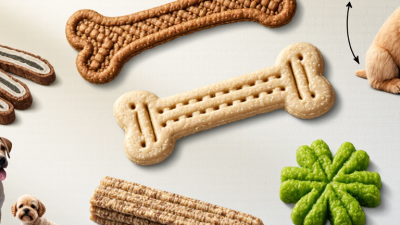

The Main Types of Dog Chews by Material and Function

Wholesale buyers need to compare dog chews by both material and function. Material affects durability, texture, digestibility, and storage requirements. Natural chews may include dried meat, collagen, or plant-based ingredients. They often appeal to buyers seeking simple ingredient lists. However, moisture, odor, and batch variation require careful inspection. Edible chews should have clear ingredient details and consistent sizing. Quality can shift between shipments.

Synthetic chews usually include rubber, nylon, or thermoplastic materials. Rubber chews suit moderate chewing and interactive use. Nylon options often serve powerful chewers, but their hardness needs evaluation. A product that is too hard may damage teeth. Dental chews commonly feature ridges, grooves, or flexible textures. These shapes can support mechanical cleaning during chewing, but they do not replace professional dental care. Wholesale samples deserve real testing, not just attractive packaging.

Function also separates comfort chews, enrichment chews, dental products, and long-lasting options. A hollow rubber chew can hold food and occupy a dog during quiet periods. Softer textures may suit puppies or senior dogs, while tougher designs fit stronger chewers. Age, jaw strength, chewing style, and body size all matter. No chew is perfect for every dog. That is easy to overlook. Buyers should review breakage, splintering, odor, and customer feedback across repeated batches. Clear safety guidance, traceable materials, and practical packaging build more reliable wholesale programs.

2026 Top Types of Dog Chews for Wholesale Buyers - The Main Types of Dog Chews by Material and Function

Chew Type Primary Material Main Function Typical Durability Best-Suited Dogs Wholesale Positioning Key Safety and Quality Considerations
Rawhide Chews Processed bovine hide Long-lasting chewing and oral abrasion Medium to high, depending on thickness and compression Moderate chewers with appropriate size selection Value-oriented, traditional chew range Use clearly identified animal origin, controlled processing, suitable sizing, and supervision. Remove small or softened pieces that may be swallowed.
Collagen Chews Collagen-rich bovine or porcine connective tissue Edible chewing, protein delivery, and engagement Medium Small to large dogs, offered in different diameters Premium natural and functional treat segment Review ingredient traceability, moisture control, odor level, calorie information, and digestibility claims. Supervise chewing.
Dried Tendon Chews Dehydrated animal tendon Natural chewing and high-protein enrichment Medium Small and medium dogs; larger sizes for stronger chewers Single-ingredient and minimally processed product line Check cleanliness, drying consistency, odor, breakage rate, and storage requirements. Treats should be appropriately sized.
Yak-Style Milk Chews Hardened milk solids, commonly from cow or yak milk blends Long-duration edible chewing High Moderate to strong chewers, subject to tooth condition Premium, low-additive, long-lasting treat segment Very hard chews may pose a tooth-fracture risk for some dogs. Include feeding guidance and discard sharp or small fragments.
Natural Wood Chews Dog-safe untreated wood, commonly coffee wood or similar dense species Non-edible chewing and boredom relief Medium to high Dogs that enjoy firm, non-food chew products Natural lifestyle and eco-conscious product range Wood must be untreated, non-toxic, splinter-resistant, and free of paint, varnish, glue, or chemical preservatives. Inspect for sharp edges.
Nylon Chew Toys Food-grade or toy-grade nylon polymer Long-term chewing, play, and jaw engagement High Strong chewers, with hardness matched to the dog Durable, reusable, and non-edible toy category Select non-toxic materials and smooth or rounded designs. Replace when pieces become small, sharp, or heavily worn.
Natural Rubber Chew Toys Natural rubber or rubber-based elastomer Chewing, fetching, dental stimulation, and treat dispensing Medium to high Puppies, adult dogs, and power chewers when properly rated Multi-function toy and enrichment category Prioritize non-toxic, odor-controlled rubber and accurate size ratings. Softer rubber is generally more suitable for puppies and gentle chewers.
Dental Chews Edible starches, plant fibers, gelatin, or blended functional ingredients Daily chewing and mechanical plaque reduction Low to medium Dogs needing routine oral-care support Functional treat and repeat-purchase category Look for transparent calorie data, feeding frequency, texture information, and evidence supporting dental claims. Dental chews do not replace veterinary dental care.
Dental Rope Toys Cotton, polyester, or blended textile fibers Tugging, interactive play, and limited tooth-surface abrasion Low to medium Interactive dogs and light to moderate chewers Affordable interactive and dental-play accessory Frayed strands can be swallowed and may cause intestinal problems. Inspect frequently and remove damaged toys promptly.
Edible Animal-Part Chews Dehydrated ears, trachea, hooves, or other animal parts Natural chewing, enrichment, and treat variety Low to high, depending on the part and preparation Dogs accustomed to animal-protein treats Natural, species-appropriate, and ingredient-focused range Verify origin, pathogen controls, drying process, odor, fat content, and import requirements. Avoid products with sharp fragments or excessive hard portions.
Puppy Teething Chews Soft rubber, flexible thermoplastic, fabric, or puppy-safe edible ingredients Teething relief, early chewing habits, and play Low to medium Puppies with developing teeth and sensitive gums Age-specific starter and training product line Avoid extremely hard materials that may damage developing teeth. Confirm age guidance, size suitability, cleanability, and non-toxic composition.
Food-Dispensing Chew Toys Durable rubber, nylon, or composite polymer Slow feeding, mental stimulation, and chewing activity Medium to high Dogs that benefit from enrichment or slower eating Premium interactive toy and behavior-enrichment category Choose dishwasher-safe or easy-to-clean designs where possible. Openings must be appropriately sized to reduce choking risk, and damaged toys should be replaced.
Wholesale Planning Note: Durability ratings are indicative because chewing behavior varies by dog size, bite strength, age, and supervision. All chew products should be matched to the dog’s size and chewing style, used under supervision, and removed when they become small, sharp, or damaged.

How to Compare Safety, Durability, and Dog Size Suitability

For 2026 wholesale buyers, dog chews should be compared by safety, durability, and size suitability—not appearance alone. The U.S. FDA reported 90 illnesses and 15 deaths linked to bone treats between 2015 and 2017. That warning still matters when evaluating hard, brittle products. Avoid chews that splinter sharply or become small enough to swallow whole. A practical receiving check is simple: bend, tap, and inspect the surface for cracks.

Size matching requires more than weight labels. A powerful large dog may crush a small chew within minutes, creating a choking risk. A toy-sized dog may struggle with an oversized, dense product and damage its teeth. Use the manufacturer’s size range, then compare it with the dog’s chewing strength, jaw width, and eating speed. Dogs are not consistent machines. Some gentle chewers destroy “long-lasting” products quickly.

Durability should be measured through controlled testing, not vague claims. Compare wear after repeated chewing, moisture exposure, and handling during shipping. Veterinary dental guidance from the American Veterinary Medical Association identifies daily brushing as the most reliable home-care method; chews remain an added aid, not a replacement. Products carrying Veterinary Oral Health Council acceptance have passed defined plaque or tartar evaluations, which adds useful evidence. Still, wholesale testing can miss real household behavior. A chew may look safe in a laboratory and fail beside a couch. Teams should record breakage, odor, sharp edges, and customer complaints by dog size. Imperfect data is better than confident guessing.

Which Dog Chews Match Different Retail Customer Needs

Wholesale buyers should match dog chews with shopper needs, not simply choose the lowest unit cost. Puppies often need softer chews with flexible textures and clear size guidance. Owners of strong chewers usually seek dense options that last longer. Fit matters.

Dental-focused shoppers may prefer textured chews that support mechanical cleaning during chewing. However, product claims should remain precise and supported by reliable testing. Do not promise disease prevention. Sensitive-diet households may value limited-ingredient recipes, transparent ingredient lists, and clear allergen information. Keep it clear.

Premium pet stores can carry natural-looking chews with simple packaging and traceable sourcing details. Value retailers may need affordable multipacks, compact displays, and stable shelf life. Convenience shoppers often prefer individually wrapped pieces for travel or quick rewards. Retail teams should check odor, dust, breakage, and package readability before placing large orders. Small defects become expensive returns. I have seen buying decisions focus heavily on appearance, yet dogs judge texture first.

A practical wholesale range can include puppy, everyday, dental-textured, long-lasting, and sensitive-diet choices. Each SKU should show the recommended dog size, chewing supervision guidance, storage instructions, and material details. These details help staff answer questions without guessing. They also reduce unsuitable purchases. Still, no chew suits every dog. Even a popular texture may disappoint some pets, especially those with unusual chewing habits or dietary restrictions. Shelf performance should be reviewed after launch, using customer feedback, return reasons, and breakage records. That process is imperfect, but it reveals needs that sales forecasts may miss.

2026 Top Types of Dog Chews for Wholesale Buyers

Which dog chews match different retail customer needs?

Directional fit scores use a 1–5 retail planning scale, where 5 indicates a stronger match. Hard nylon and natural rubber typically suit durability-focused shoppers, while dental chews, bully sticks, and collagen chews are better aligned with functional, ingredient-conscious, or premium positioning. Actual performance varies by product specification, dog size, and formulation.

How Wholesale Buyers Can Evaluate Suppliers and Product Quality

Wholesale buyers should evaluate dog chews through supplier evidence, not attractive packaging.

The 2024 APPA State of the Industry report recorded $152 billion in U.S. pet spending. Demand is strong, but demand does not prove safety.

Ask suppliers for ingredient specifications, origin records, batch codes, and current certificates of analysis.

Independent testing should cover Salmonella, mold, heavy metals, moisture, and water activity. Water activity matters. It affects microbial growth and shelf stability. Review the supplier’s recall history and corrective-action records. A supplier that hides minor failures may create larger problems later.

The Global Pet Food Market report by Grand View Research projects continued market growth through 2030, increasing pressure for consistent supply.

Buyers should request three recent production samples, not one perfect sample. Check odor, hardness, splintering, surface damage, and weight variation. Compare results across batches.

Packaging should resist humidity, seal cleanly, and show clear lot identification. Warehouse trials can reveal crushed chews or fading labels after several weeks.

Certifications can support trust, but they are not the whole answer.

Audit scope, testing frequency, and document dates deserve closer attention. Some suppliers provide impressive paperwork with weak traceability. That is an uncomfortable gap.

Wholesale buyers should also test whether customer-service teams answer technical questions quickly. Slow answers may signal slow action during a quality incident.

For new suppliers, begin with a controlled order and define acceptance limits in writing. Bulk pricing is useful, but predictable quality protects margins better.