How to Choose Nutrish Puppy Food in 2026?

Choosing the right nutrish puppy food in 2026 requires more than trusting a bright package or a familiar brand name. Puppies grow quickly, so their food must support developing bones, muscles, digestion, and steady energy. This guide will examine Nutrish puppy recipes through practical details, including ingredient lists, animal protein sources, calorie density, feeding directions, and the puppy’s age, size, and activity level.

A reliable choice begins with evidence. Check whether the recipe is labeled for growth or all life stages, and compare its nutritional statement with current veterinary guidance. The Association of American Feed Control Officials, or AAFCO, provides commonly used nutritional standards in the United States. However, labels can still feel confusing. Marketing language may sound impressive without explaining how the formula suits your individual puppy. Small details matter. A large-breed puppy may need different nutrient control than a toy-breed puppy, while a sensitive stomach may require a slower transition.

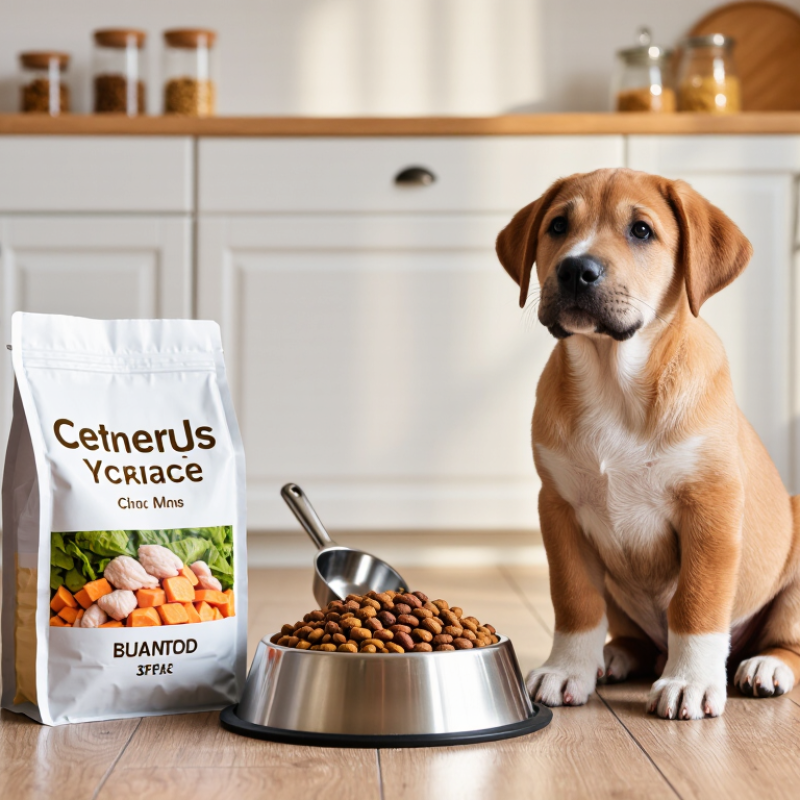
This article will also consider real feeding situations, such as measuring portions beside a stainless-steel bowl, storing kibble away from heat, and watching stool quality after a recipe change. Your veterinarian remains the most dependable source for medical or allergy concerns. No single food fits every puppy. I may overlook a detail, and product formulas can change, so readers should confirm the current label before buying. The goal is not to promise perfection. It is to make a careful, informed decision for a growing dog.

How to Choose Nutrish Puppy Food in 2026?

Identify Your Puppy’s Nutritional Needs and Growth Stage

How to Choose Puppy Food in 2026

A puppy’s nutritional needs change quickly during the first year. Choose food made for puppies, not general adult maintenance. Check the feeding guide for your puppy’s current age, weight, and expected adult size. Small breeds may need more energy per kilogram, while large breeds require controlled growth. Excess calories can strain developing bones and joints.

Look for clearly listed animal-based protein, essential fats, DHA, calcium, and phosphorus. A complete-and-balanced statement from a recognized nutritional authority adds useful reliability. Still, labels can feel confusing. Ask your veterinarian to review the formula, especially if your puppy has loose stools, allergies, or slow growth.

Tips: Measure meals with a kitchen scale when possible. Feed younger puppies several small meals daily. Keep fresh water nearby. Introduce new food gradually over seven days. Watch body shape, not just weight; you should feel the ribs without seeing them sharply.

A common mistake is trusting appetite alone. Puppies often act hungry after eating enough. I would also recheck portions every few weeks because growth changes quickly. Record stool quality, energy, and weight. A dull coat or repeated digestive upset deserves professional advice. Treats should stay limited and should not replace balanced meals. Some recommendations may need adjustment, because no feeding chart fits every puppy perfectly.

Compare Nutrish Puppy Formulas by Breed Size and Activity Level

Choosing puppy food in 2026 means matching the formula to breed size and daily activity. Small-breed puppies often need energy-dense food with smaller kibble. Large-breed puppies require controlled calories and balanced minerals for steady bone development. Medium breeds usually fit a moderate formula, but individual growth still matters.

Activity changes the decision. A playful puppy racing around the yard may need more calories than a quiet indoor puppy. However, extra energy is not always better. My first choice was once too rich, and my puppy gained weight quickly. I adjusted the portion and checked body shape weekly. A visible waist and easily felt ribs are useful practical signs.

Tips: Read the feeding chart, then adjust portions gradually. Choose a complete-and-balanced puppy formula that follows recognized nutritional standards. Check protein, fat, calcium, and phosphorus levels, especially for large breeds. Ask a veterinarian about growth rate, allergies, or unusual stool. Introduce new food over seven days. Watch energy, coat condition, stool quality, and weight. Labels help, but they cannot replace observation. Puppy needs can change faster than expected.

How to Choose Nutrish Puppy Food in 2026? - Compare Nutrish Puppy Formulas by Breed Size and Activity Level

Formula Profile Best-Suited Puppy Size Typical Adult Weight Activity Level Key Nutritional Priorities Feeding Approach What to Check on the Label
Small-Breed Puppy Formula Toy and small breeds Up to approximately 20 lb / 9 kg Normal to highly active Energy-dense nutrition, small kibble size, highly digestible protein, and balanced calcium and phosphorus for skeletal development Divide the daily portion into three or four meals for young puppies; adjust portions according to body condition A statement that the food is complete and balanced for growth, calorie information, and a kibble size the puppy can comfortably chew
Medium-Breed Puppy Formula Medium breeds Approximately 20–50 lb / 9–23 kg Normal, active, or working-potential puppies Adequate protein and fat for lean growth, digestible ingredients, and appropriate mineral balance Usually feed three meals daily in early puppyhood, then transition toward two meals as maturity approaches Growth adequacy statement, kcal per cup or kilogram, feeding chart based on expected adult weight, and clear ingredient information
Large-Breed Puppy Formula Large and giant breeds Over approximately 50 lb / 23 kg; some nutritional standards specifically identify large-size growth at 70 lb / 32 kg or more Low to highly active Controlled energy intake and carefully balanced calcium and phosphorus to help reduce the risk of excessively rapid skeletal growth Measure portions accurately, avoid unrestricted feeding, and monitor weight and growth regularly Specific suitability for large-size growth, calorie density, calcium and phosphorus levels, and feeding directions based on expected adult size
Standard-Activity Puppy Formula Any breed size when daily activity is moderate Breed-dependent Routine walks and normal play Complete growth nutrition without unnecessary calorie excess; sufficient protein, fat, vitamins, and minerals Start with the package guide, then adjust gradually based on body condition, stool quality, and growth trend Complete-and-balanced growth claim, calorie content, feeding instructions, and suitability for the puppy’s expected adult size
High-Activity Puppy Formula Healthy puppies with sustained exercise or working potential Breed-dependent Frequent training, sport preparation, herding, hunting, or extended outdoor activity Higher energy needs, digestible protein, adequate fat, hydration support, and careful mineral balance during growth Increase portions gradually only when activity and body condition justify it; provide fresh water at all times Calorie density, fat and protein levels, growth adequacy, and whether the formula is appropriate for the puppy’s expected adult size
Lower-Calorie Growth Option Puppies that gain weight too quickly or have low activity, only with professional guidance Breed-dependent Low activity or restricted exercise Nutrient adequacy without excessive calories; portion control is more important than simply reducing essential nutrients Do not substantially restrict food without veterinary advice; track weight and body condition instead of relying only on appetite Complete growth nutrition, calorie information, mineral balance, and professional recommendations for special cases
General selection notes: Choose a food labeled complete and balanced for growth. For puppies expected to exceed approximately 70 lb / 32 kg as adults, use a formula specifically identified for large-size growth. A commonly used nutritional reference for growth includes at least 22.5% crude protein and 8.5% crude fat on a dry-matter basis, while calcium and phosphorus must remain within appropriate growth ranges. Individual calorie needs vary with age, body condition, neuter status, health, and activity, so feeding amounts should be adjusted gradually with guidance from a veterinarian.

Evaluate Ingredients, Protein Sources, and Essential Nutrients

Choosing puppy food requires more than scanning the ingredient list. Growth demands concentrated nutrition, not simply more calories. The AAFCO Dog Food Nutrient Profiles set minimum growth levels of 22.5% crude protein and 8.5% fat on a dry-matter basis. These figures are useful screening points, not automatic proof of quality. Moisture changes the numbers.

Look for clearly named animal proteins, such as chicken, salmon, or egg, near the beginning of the list. Protein quality depends on amino-acid balance and digestibility. The National Research Council’s Nutrient Requirements of Dogs and Cats highlights calcium, phosphorus, zinc, copper, and vitamin D as critical for developing bones. DHA from marine sources may support brain and eye development. Large-breed puppies need extra caution, because excessive calcium and energy can encourage rapid skeletal growth. I still find labels confusing. They are not perfectly transparent.

Tips: Compare the guaranteed analysis on a dry-matter basis. Check that the package states nutritional adequacy for growth, using recognized feeding-trial or formulation standards. Ask for calories per cup, especially when your puppy looks lean but begs constantly. FEDIAF’s 2024 nutritional guidelines also emphasize life stage, body size, and energy density. Measure meals with a scale when possible. A kitchen cup can quietly overfeed. Monitor ribs, stool quality, coat condition, and weekly weight. A veterinarian can adjust portions when growth seems too fast or too slow.

Check Feeding Guidelines, Portion Sizes, and Calorie Content

Choosing Puppy Food in 2026

Start with the feeding guidelines printed on the package. They should state whether the recipe supports growth under current AAFCO nutrient profiles. The label should also show calories per cup or kilogram. This number matters more than a generous-looking scoop.

The National Research Council estimates puppy energy needs through resting energy requirements, using body weight and growth stage. Puppies under four months may need about three times RER, while older puppies often need about twice RER (NRC, Nutrient Requirements of Dogs and Cats). These are starting points, not promises.

Measure each portion with a kitchen scale. A 5-kilogram puppy may need roughly 250–400 calories daily, depending on age, breed, activity, and body condition. Divide the daily amount into three meals for young puppies. Adjust portions every one or two weeks, not only when the bowl looks empty.

A visible waist and easily felt ribs usually suggest a reasonable condition. No guesswork is perfect. I once treated feeding charts as fixed rules, and that created unnecessary weight gain. Growth can change quickly, especially in large-breed puppies.

The World Small Animal Veterinary Association recommends monitoring body condition and reviewing nutrition with a veterinary professional. Keep treats below about 10% of daily calories, and count training rewards. Fresh water should remain available.

Monitor Results and Adjust the Feeding Plan Safely

Choosing puppy food is only the beginning. Monitor results and adjust the feeding plan safely every week. The AAFCO Dog Food Nutrient Profiles identify minimum nutrient levels for growth, while FEDIAF’s 2024 guidelines emphasize life-stage energy and nutrient needs. These standards support selection, not blind feeding. Start with the package amount, then weigh your puppy weekly using the same scale. Record food, treats, stool quality, appetite, and activity. Small details matter.

Aim for a lean, steady shape. WSAVA nutrition guidance uses a nine-point body condition scale, with 4–5 generally considered ideal. You should feel the ribs easily, but they should not visibly protrude. If ribs disappear under fat, reduce calories gradually, often by about 10%, and reassess after seven days. If the puppy looks too thin, increase cautiously and contact a veterinarian. Growth should not be rushed. Excess calories may increase orthopedic stress, especially in large-breed puppies. This is where I have sometimes adjusted too quickly; that can confuse the real cause. Treats count. Keep them near 10% of daily calories, consistent with veterinary nutrition guidance. Persistent diarrhea, vomiting, poor growth, or sudden appetite changes require professional assessment, not another food experiment.

How to Choose Nutrish Puppy Food in 2026? — Monitor Results and Adjust the Feeding Plan Safely

Use the standardized 1–9 Body Condition Score (BCS) to review your puppy’s results rather than relying only on the feeding-label amount. A BCS of 4–5 is generally considered ideal: ribs should be easy to feel, with a visible waist and abdominal tuck. Weigh food with a kitchen scale, monitor body condition weekly, and make gradual portion changes with veterinary guidance, especially during rapid growth.