Choosing the top nutrish indoor cat food for global buyers requires more than reading a cheerful package label. Indoor cats often spend long hours beside windows, on rugs, or under sofas. Their meals should support healthy weight, steady energy, digestion, and a shiny coat.
Veterinarian Dr. Ernie Ward’s concise warning, “Cats are not small dogs,” offers a useful starting point. Cats have distinct nutritional needs, especially because they are obligate carnivores. A serious comparison should examine animal-based protein, calorie density, fiber sources, fat levels, and feeding guidance. Ingredient lists matter. So does the cat’s age, activity level, body condition, and medical history.
Labels can differ by country.
Global shoppers should check the local package, not only an overseas product page. Nutrish formulations, serving instructions, ingredient availability, and regulatory statements may vary between markets. Buyers should also inspect sealed packaging, expiration dates, storage directions, and authorized retail channels. These small details can prevent disappointing purchases.
Still, no food is perfect for every indoor cat. Some cats reject a new recipe, even after a careful transition. Others may gain weight on a formula that looks balanced on paper. I would compare independent nutrition information, manufacturer guidance, and advice from a qualified veterinarian before deciding. A seven-day transition may help, but it is not a guarantee. This guide examines popular nutrish indoor cat food options with practical attention to ingredients, suitability, value, and real household use. Expect useful comparisons, but leave room for individual differences.
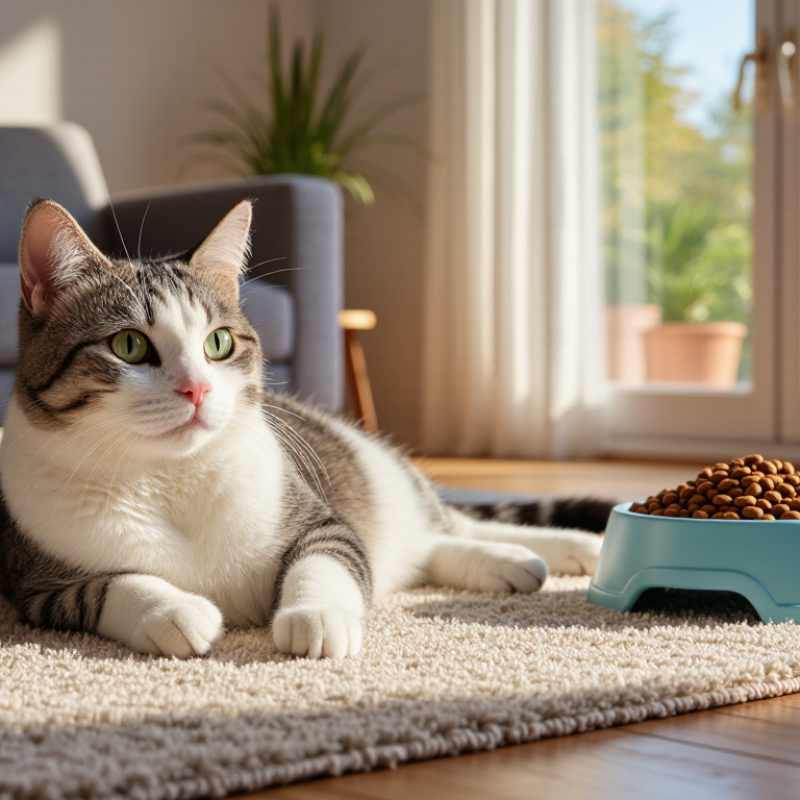
Indoor cat food is best viewed as a product category, not a regulated nutritional class. AAFCO’s Dog and Cat Food Nutrient Profiles define nutrient requirements, but not the word “indoor.” That distinction matters for global buyers. These formulas often emphasize controlled calories, moderate fat, fiber, and hydration support. FEDIAF’s 2024 Facts and Figures report estimates that 108 million cats live in Europe, highlighting the category’s wide regional reach.
The category usually includes dry food, wet food, and mixed-feeding options. Dry recipes are convenient and easy to store. Wet recipes add moisture, which may help cats with low water intake. Hydration matters. Some products also include fiber for hairball management, but results differ between cats. APPA’s 2023–2024 National Pet Owners Survey reported about 46.5 million U.S. cat-owning households, supporting strong demand for convenient, specialized diets.
From a buyer’s perspective, check the “complete and balanced” statement, calorie density, feeding guidance, and local labeling rules. A long ingredient list does not automatically prove better nutrition. Indoor claims can also sound more precise than they are. I would not treat every claim as a promise. Compare feeding trials, manufacturer quality controls, and veterinary guidance when available. Labels still require scrutiny.
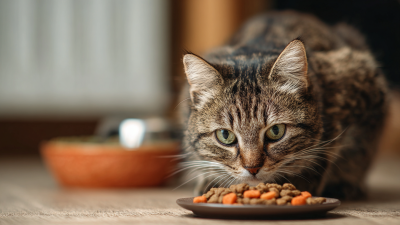
Indoor cats need carefully measured nutrition because they often burn fewer calories than outdoor cats. A suitable formula should provide complete protein from clearly identified animal sources. Protein helps maintain lean muscle during long periods of rest. Taurine also matters for normal heart and eye function. Indoor diets may include moderate calories and added fiber to support weight control and hairball management.
A nutrient-focused indoor formula can combine chicken, fish, or other named proteins with digestible carbohydrates. Omega-3 and omega-6 fatty acids may support healthy skin and a soft coat. Added moisture is useful, especially for cats that rarely visit their water bowl. Still, dry food alone may not meet every cat’s hydration needs. Fresh water should remain available beside the feeding area.
Read the guaranteed analysis carefully. Compare calories per serving, protein levels, fiber, and mineral balance rather than trusting attractive packaging. Requirements differ across countries, so global buyers should check local labeling rules and feeding guidance. In my experience, one cat may thrive on a formula that causes digestive trouble in another. Start with small portions and watch stool quality, body shape, coat condition, and energy. Weight changes can appear slowly. A veterinarian can review the diet when a cat has allergies, kidney concerns, or persistent vomiting. No formula is perfect, and even a well-designed recipe may need adjustment.
The chart shows selected minimum nutrient concentrations for adult cat food on a dry-matter basis. Indoor formulas commonly emphasize adequate animal-based protein, controlled calorie density, moderate fat, hydration support, and fiber for digestive and hairball management.
Reference values: AAFCO Cat Food Nutrient Profiles for adult maintenance. These are minimums, not complete feeding recommendations; individual needs vary with age, body condition, activity, and health status.
Comparing indoor cat food requires more than checking the protein percentage. Indoor cats often use fewer calories, but their needs still vary with age, weight, activity, and health. I examine the feeding guide, ingredient order, calorie density, and guaranteed analysis together. One number rarely tells the full story.
Look for clearly named animal proteins near the beginning of the ingredient list. Moderate fat may suit less active cats, while balanced fiber can support regular digestion and help manage hair ingestion. Moisture also matters, especially for cats that drink little. Dry food is convenient, but adding wet meals or fresh water can improve daily hydration. Check the package for manufacturing dates, storage instructions, and country-specific labeling rules. Formulas may differ between markets.
Observe your cat for two or three weeks after a gradual change. Track body weight, stool quality, appetite, coat condition, and energy. A bathroom scale can reveal slow weight gain before it becomes obvious. No formula is perfect. I have found that attractive packaging can distract from serving size and calorie control. Veterinary advice remains important for cats with urinary, kidney, digestive, or allergy concerns. For global buyers, compare the exact regional formula, not only the product name. Availability and freshness may matter as much as the ingredient list.
For indoor cats, global buying starts with the ingredient panel, not the front label. Look for named animal protein, clear fat sources, taurine, vitamins, and balanced minerals. Indoor formulas often provide moderate calories and added fiber for less active cats. A 4-kilogram cat may need careful portions, even when the bowl looks small. Check feeding guidance against body condition, not appetite alone. Ingredients matter.
Availability can change quickly across countries. A familiar product may be absent after customs delays, supply shortages, or distributor changes. Before ordering, confirm storage conditions, manufacturing date, lot number, and return policy. Choose sealed packaging without dents, leaks, or swollen pouches. Compare two supply routes when possible. One may fail.
Regulations also shape a safe purchase. Check whether the formula is approved or registered for sale in the destination market. Labels may need local language, guaranteed analysis, feeding instructions, net weight, and importer details. Rules differ for animal ingredients, claims, and supplements. A “natural” or “premium” claim proves little. I still find online labels imperfect. A local veterinarian can review unusual ingredients, allergies, urinary concerns, or weight changes. Keep the receipt and transition foods gradually over seven days. This reduces digestive surprises, though it cannot guarantee acceptance or tolerance.
Top Indoor Cat Food for Global Buyers
Feeding an indoor cat requires careful portion control, not simply a full bowl. Choose food made for the cat’s life stage, weight, and activity level. Indoor cats often move less, so excess calories can quickly become visible around the ribs. Check the feeding chart on the package, then adjust slowly according to body condition and veterinary advice. Fresh water should remain available, especially when feeding mostly dry food. I prefer using a kitchen scale for measured portions. It feels excessive, but guessing can create steady weight gain.
Safety checks matter when buying across borders. Inspect the seal, ingredient list, batch code, expiry date, and nutritional statement before opening. Avoid swollen cans, leaking pouches, damaged bags, or food with an unusual smell. A gradual transition over seven to ten days may reduce vomiting or loose stools. Stop and seek veterinary advice if symptoms continue, appetite changes sharply, or the cat becomes unusually quiet. Product labels can differ between countries, and translations are not always perfect. Verify feeding directions with a qualified local professional when details seem unclear.
Store dry food in its original bag inside an airtight container, away from heat, sunlight, and moisture. Wash the container before refilling it. Refrigerate opened wet food promptly and use it according to the package instructions. Discard leftovers that have remained in the bowl for several hours, particularly in warm rooms. I sometimes underestimate humidity. That mistake can spoil food faster than expected.
| Data Dimension | Practical Guidance | Recommended Range or Check | Buyer and Caregiver Notes |
|---|---|---|---|
| Food suitability | Choose a complete and balanced food formulated for the cat’s life stage. | Required | Look for a nutritional adequacy statement recognized in the target market. The product should identify whether it is intended for kittens, adult maintenance, or all life stages. |
| Indoor-cat energy needs | Indoor cats may need fewer calories than highly active outdoor cats because activity levels are often lower. | Adjust portions according to body condition, activity, age, and neuter status. | Do not reduce food sharply without professional advice. Monitor body weight and waistline regularly. |
| Daily energy reference | Use the product’s calorie content and feeding chart as the starting point. | Typical adult maintenance estimates are often calculated from body weight, but individual needs vary considerably. | A veterinarian can provide a more suitable calorie target, especially for overweight, underweight, elderly, or ill cats. |
| Portion calculation | Daily grams = daily calorie target ÷ food calories per gram. | Example: 200 kcal per day ÷ 4 kcal/g = 50 g per day. | Use the food’s declared metabolizable energy value. Divide the daily amount into measured meals rather than estimating by eye. |
| Meal frequency | Offer measured meals at consistent times. | Adults: commonly 2–3 meals per day. Kittens generally require more frequent feeding. | Interactive feeders can help reduce rapid eating and provide activity for indoor cats. |
| Wet and dry food combination | Both formats can be used if the total daily calories remain appropriate. | Calculate calories from all foods, treats, and toppers together. | Wet food contributes more moisture; dry food is calorie-dense, so small volume changes can significantly affect intake. |
| Water availability | Provide clean, fresh water every day. | Keep multiple water stations away from litter boxes; a circulating fountain may encourage some cats to drink. | Moisture intake varies by diet and individual cat. Sudden changes in drinking or urination require veterinary attention. |
| Treat allowance | Count treats as part of the daily calorie intake. | Keep treats to no more than approximately 10% of daily calories. | Reduce the regular food portion when treats are given frequently. Avoid using treats as a substitute for a complete diet. |
| Body-condition monitoring | Check weight and body shape routinely. | Ideal cats generally have a visible waist behind the ribs and ribs that can be felt beneath a light fat covering. | Record weight monthly when possible. Change portions gradually and reassess after two to four weeks. |
| Ingredient and allergen review | Read the ingredient list and guaranteed analysis before purchase. | Check protein sources, fat, fiber, moisture, calories, and any declared allergens or additives. | Ingredient preferences do not replace nutritional adequacy. Cats with diagnosed allergies may need a veterinary elimination diet. |
| Packaging integrity | Inspect the package before opening. | Accept clean, sealed, undamaged packaging with a readable lot code and expiry or best-before date. | Reject swollen, leaking, torn, heavily dented, wet, or tampered packaging. |
| Expiry and lot information | Confirm the date and retain traceability details. | Do not use food beyond its stated expiry date. | Keep a photograph of the lot code and receipt in case a safety query or product recall occurs. |
| Dry-food storage | Store in a cool, dry place away from direct sunlight. | Keep the original bag inside a clean, airtight container, preferably with the bag label retained. | Do not mix a new batch with old food until the container has been emptied and cleaned. Wash and dry the container between batches. |
| Opened wet-food storage | Cover and refrigerate unused portions promptly. | Use refrigerated leftovers within the period stated on the package; if no period is provided, use them as soon as possible and discard if odor, color, or texture changes. | Serve refrigerated food at a comfortable temperature. Do not leave opened wet food at room temperature for extended periods. |
| Serving hygiene | Use clean bowls and utensils. | Wash food and water bowls daily, and clean feeding surfaces regularly. | Remove uneaten wet food promptly. Wash hands before and after handling pet food, particularly for households with vulnerable people. |
| Cross-contamination control | Keep pet food separate from food prepared for people. | Use separate scoops and storage containers; keep food away from chemicals and litter products. | Do not use damaged utensils or containers that cannot be cleaned effectively. |
| Transition to a new diet | Change foods gradually. | A commonly used transition period is about 7 days, increasing the new food step by step. | Slow the transition if vomiting, diarrhea, or refusal occurs. Contact a veterinarian if symptoms persist or are severe. |
| Travel and international purchase | Check import, labeling, and storage requirements in the destination country. | Verify language, ingredient declaration, net quantity, feeding instructions, importer details, lot code, and expiry date. | Temperature-sensitive or damaged shipments should not be fed until their safety and storage history are confirmed. |
| Signs to stop feeding | Stop use if contamination or illness is suspected. | Stop and seek advice for repeated vomiting, persistent diarrhea, lethargy, refusal to eat, breathing difficulty, or suspected poisoning. | Save the packaging and remaining food for identification. Seek urgent veterinary care for severe or rapidly worsening signs. |
| Professional review | Obtain veterinary guidance for special dietary needs. | Recommended for kittens, pregnancy, chronic disease, urinary problems, obesity, food allergies, and unexplained appetite changes. | Feeding instructions on the package are a starting point and should be adjusted to the individual cat’s health and body condition. |
| General guidance only: calorie requirements, feeding amounts, storage limits, and import rules can vary by product, country, packaging format, and the individual cat. Always follow the product label and local regulatory instructions. | |||