
Why Is Matcha Powder in High Demand Worldwide?

Matcha Powder has moved from Japanese tea rooms into café menus, home kitchens, and supermarket shelves worldwide. Its vivid green color catches the eye. Its grassy aroma and gentle bitterness give lattes, desserts, and traditional bowls a distinctive character. Yet demand is not driven by appearance alone. Curious consumers want a drink with history, recognizable preparation rituals, and a taste they can learn to appreciate.

Tea scholar Okakura Kakuzō wrote, “Tea is more than an idealization of the form of drinking; it is a religion of the art of life.” His words, from The Book of Tea, offer a useful lens on matcha’s appeal: preparation can feel as meaningful as the drink itself. Today, shoppers also encounter matcha through café culture, social media, and interest in plant-based ingredients. These influences help explain its reach, though popularity does not guarantee quality or prove every health claim.

The market has trade-offs. A bright powder may look appealing, but color alone cannot confirm origin, freshness, or careful processing. Harvest timing, storage, and grinding all affect flavor. So does the grade label, which is not always used consistently across sellers. A tin opened beside a sunny kitchen window may lose its fresh aroma faster than expected. Small details matter. This outline explores the cultural, culinary, and commercial forces behind global demand, while asking a practical question: can producers meet growing interest without compromising the qualities that make matcha distinctive? The answer is not simple—and that uncertainty deserves attention.
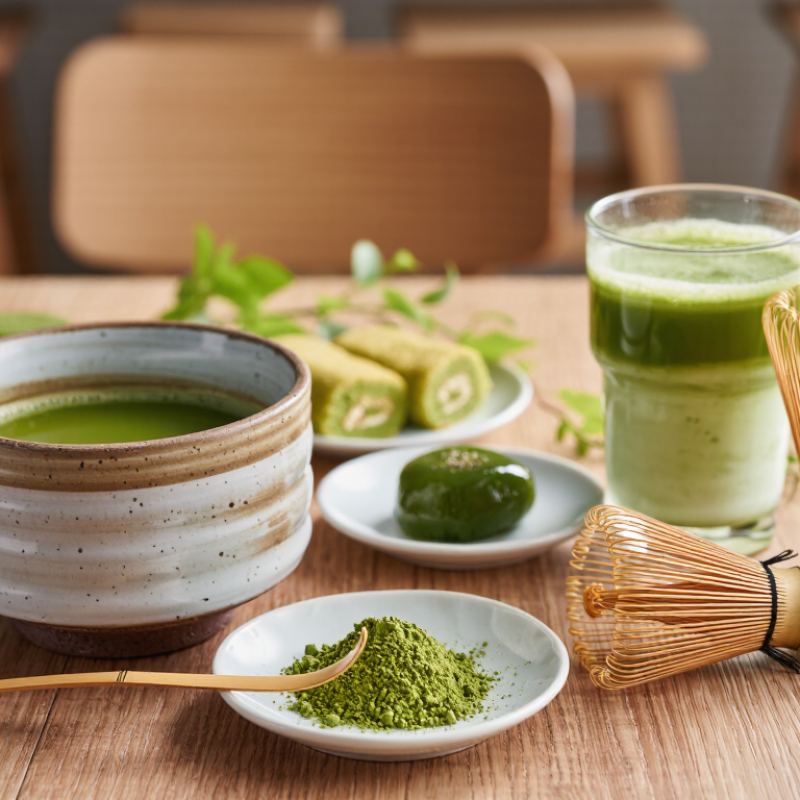
Why Is Matcha Powder in High Demand Worldwide?

What Matcha Is and How It Is Produced

Matcha is a finely ground powder made from specially grown green tea leaves. It is not brewed. Instead, the powder is whisked into water, so the drink contains the leaf itself rather than only an infusion. Its vivid green color and fine texture come from careful growing and processing, not from added coloring.

Before harvest, tea plants are often shaded for several weeks. This reduces direct sunlight and changes the leaves’ growth, producing a tender leaf with a fresh, vegetal flavor. Farmers harvest the leaves, steam them briefly to limit oxidation, then dry them. The dried leaves are sorted to remove stems and veins. The remaining leaf material, called tencha, is ground into powder, traditionally with a stone mill. Slowly, and with care.

Grinding takes time. Fine powder can warm easily, so the process is kept gradual to help preserve its color and aroma. Still, matcha is not perfectly uniform: harvest timing, leaf selection, and milling can all affect its taste. Some batches seem sweet and mellow; others have a sharper, grassy edge. That variation is easy to overlook when matcha appears in drinks and desserts around the world.

How Matcha Differs from Other Green Teas

Matcha differs from ordinary green tea before it reaches the cup. Growers shade the plants before harvest, then steam and dry the leaves into tencha. The stems and veins are removed, and the remaining leaf is ground into fine powder. With loose-leaf tea, you steep the leaves and discard them. With matcha, you whisk the powder into water and consume the leaf itself. The result is a vivid green drink with a creamy texture and a slight, sometimes grassy bitterness. Small clumps can remain if the powder is not sifted or whisked well.

Shade-growing changes the leaf’s growing conditions and contributes to matcha’s distinctive flavor; it does not make every cup taste the same. Preparation matters: water that is too hot can make bitterness more pronounced, while less powder creates a lighter drink. Japan’s Ministry of Agriculture, Forestry and Fisheries reported that the value of Japanese green tea exports reached about ¥29.2 billion in 2023. That figure covers green tea broadly, not matcha alone, but it signals rising international interest. Matcha’s appeal is partly its preparation ritual, though its fine powder can settle quickly and take practice to whisk smoothly.

What Drives Matcha’s Worldwide Popularity

Matcha’s worldwide popularity comes from more than its bright green color. Its grassy aroma, gentle bitterness, and creamy texture make it distinctive in both traditional tea and modern drinks. A café can whisk it into a latte; home cooks can sift it over ice cream or mix it into baking. That versatility helps matcha travel beyond specialist tea shops. Grand View Research’s Matcha Tea Market report estimated the global market at US$3.8 billion in 2023 and projected a 7.9% compound annual growth rate from 2024 to 2030. These are forecasts, not guarantees. Still, they signal strong commercial interest.

Japan’s Ministry of Agriculture, Forestry and Fisheries recorded green tea exports worth 36.4 billion yen in 2024. That figure covers green tea broadly, not matcha alone, so it should not be treated as a matcha sales total. Growing interest in Japanese food culture and the appeal of a vivid, easily recognizable ingredient also help explain matcha’s reach. But popularity can outrun understanding. Matcha may taste pleasantly deep, or simply bitter, and poorly sifted powder clumps in the cup. Its antioxidants attract attention, yet specific health benefits should not be assumed from a drink’s reputation. The flavor, preparation, and quality still matter.

How Matcha Is Used in Foods, Drinks, and Daily Routines

Matcha has moved beyond the tea bowl into everyday kitchens. In drinks, people whisk the fine powder with warm water, blend it into milk, or add it to iced smoothies. A small sieve helps prevent clumps, while a bamboo whisk or handheld frother creates a smoother surface. The powder does not fully dissolve, so a little sediment is normal. The color is vivid.

In foods, matcha can flavor cakes, cookies, yogurt, and breakfast oats. Its grassy, slightly bitter taste pairs well with creamy or sweet ingredients, but too much may overwhelm a recipe. Start with a modest amount and adjust after tasting. That advice sounds simple, yet baked goods can turn bitter quickly. Temperature and ingredient balance matter.

For some people, matcha becomes part of a morning routine: sift, whisk, and drink before work. Others keep it for an afternoon latte or a weekend baking project. It contains caffeine, though the amount varies with serving size and preparation. Store the powder sealed, cool, and away from light to help preserve its flavor. Daily use is not essential; sometimes the ritual is more appealing than the taste.

Why Is Matcha Powder in High Demand Worldwide? — How Matcha Is Used in Foods, Drinks, and Daily Routines

Matcha is powdered green tea that is mixed into a drink or recipe, so the whole leaf is consumed rather than steeped and removed. The examples below describe common uses and practical reasons they appeal to consumers; demand drivers are qualitative, not market-size estimates.

Use or Routine How Matcha Is Used Typical Preparation Why It Appeals to Consumers Practical Consideration
Traditional-style tea Matcha is whisked with water and served as a powdered tea. Sift the powder if needed, add water, and whisk until evenly dispersed and lightly frothy. Offers a focused, hands-on tea ritual and a distinctive vegetal flavor. Because the powder remains in the drink, it is not prepared like a tea bag that is removed after steeping.
Matcha latte Matcha is combined with water and milk or a milk alternative. First disperse the powder in a small amount of water, then add steamed or cold milk. The creamy texture can soften matcha’s grassy, slightly bitter taste and makes it suitable for hot or iced menus. Sweeteners and milk change the drink’s flavor and nutritional profile.
Iced drinks and smoothies Matcha is blended or shaken into chilled drinks, including smoothies. Mix thoroughly with liquid or blend with fruit, yogurt, or other smoothie ingredients. Its green color and recognizable tea flavor work well in refreshing, customizable drinks. Powder can clump in cold liquid, so blending, shaking, or making a smooth paste first can help.
Baking and desserts Matcha is added to cakes, cookies, pastries, ice cream, and other sweet foods. Sift it with dry ingredients or blend it into a recipe’s liquid ingredients. Provides color and tea flavor, allowing familiar desserts to be adapted with a distinct ingredient. Heat, recipe balance, and ingredient quality can affect the final color and flavor.
Savory cooking Small amounts may be incorporated into sauces, dressings, noodles, or seasoning blends. Whisk into a liquid component or mix evenly with other ingredients. Broadens matcha use beyond drinks and desserts for people exploring new flavor combinations. Its concentrated, vegetal taste can become prominent, so it is generally added with care.
At-home daily routine People prepare matcha at home as a morning drink, an afternoon beverage, or a caffeine-containing alternative to other drinks. Use a whisk, shaker, or blender; adjust the amount of powder, liquid, and sweetener to preference. A simple preparation method and flexible serving styles make it easy to adapt to personal routines. Matcha contains caffeine. Caffeine content varies with the amount used and the product, and sensitivity differs between individuals.
Food-service menus Cafés and food businesses use matcha across drinks, baked goods, and seasonal menu items. Prepare as a standardized base, then combine with milk, ice, or recipe ingredients. One ingredient can serve multiple menu categories and support a recognizable flavor and vivid green appearance. Consistent measuring, dispersion, storage, and preparation help maintain a reliable result.

How Rising Demand Affects Matcha Supply and Quality

Worldwide interest in matcha can rise faster than tea gardens can respond. Matcha depends on carefully grown tea leaves, often shaded before harvest, then processed into tencha and finely milled. Expanding production takes time; new plantings do not immediately yield leaves suited to high-grade powder. Quality takes time.

When orders increase, growers may face pressure to harvest more, hire seasonal workers, or use available leaves across different grades. These choices can affect color, aroma, texture, and consistency. A bright green powder with a fresh, grassy scent may taste smoother than one that seems dull or sharply bitter, though storage and preparation also matter. Demand alone does not prove that quality has fallen.

Supply is not just a quantity problem. Careful sorting, removing stems and veins, and slow milling require skill and capacity. If any step becomes rushed, a bowl may feel less silky or taste uneven. That is only part of the picture: weather, harvest timing, and storage conditions also shape each batch, so blaming demand for every difference would be too simple. Buyers can ask about harvest and processing details, but those answers may not reveal the whole chain. A little uncertainty remains.