Why Choose Nutrish Beef Dog Food for Global Buyers?

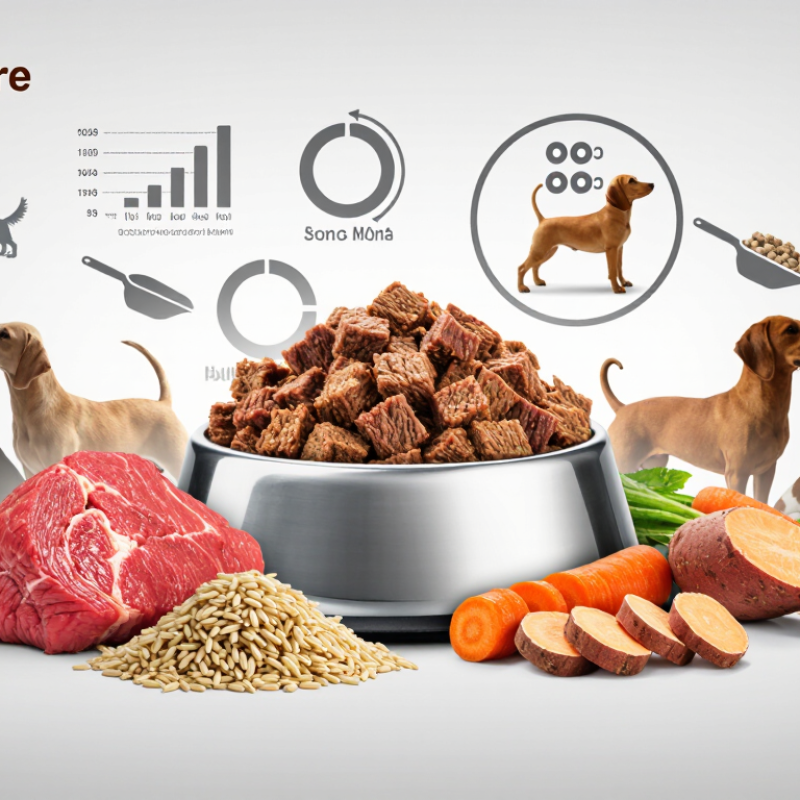
Global buyers are examining nutrish beef dog food with more care than ever. They want dependable nutrition, recognizable ingredients, and consistent quality across markets. Beef can offer appealing flavor and valuable protein, but a suitable formula must support more than appetite. It should also fit a dog’s age, size, activity level, and health needs.

Dr. Lisa M. Freeman, a veterinary nutritionist at Tufts University, has stated, “There is no one best diet for all dogs.” That reminder matters for international purchasing decisions. A product may perform well in one household, yet require careful evaluation elsewhere. Buyers should review the guaranteed analysis, feeding directions, ingredient list, package condition, and local labeling requirements. Clear information builds trust.

Nutrish beef dog food may attract customers seeking a familiar beef-based option with practical everyday appeal. Its aroma can stand out when a bowl is opened. Still, palatability is not proof of complete suitability. Importers should consider storage temperatures, shelf life, shipment conditions, and regional consumer expectations. These details can decide whether a product arrives fresh and sells confidently.

The picture is not perfect. Marketing language can simplify complex nutrition questions. Retailers and pet owners must look beyond the front label. Comparing product specifications with professional veterinary guidance remains the safer approach. For global buyers, responsible selection combines brand recognition, nutritional evidence, transparent documentation, and realistic expectations about individual dogs.

Why Choose Nutrish Beef Dog Food for Global Buyers?

Global Pet Food Demand: 139M EU Pet-Owning Households (FEDIAF 2024)

Why Choose Nutrish Beef Dog Food for Global Buyers?

Global Pet Food Demand: 139M EU Pet-Owning Households (FEDIAF 2024)

FEDIAF’s 2024 Facts and Figures report identifies 139 million European households with pets. That equals roughly half of all households. The figure shows why reliable dog food sourcing matters across borders. Demand is broad, but feeding habits remain local. Beef can offer familiar taste, strong protein value, and flexible recipe development. However, beef alone does not prove nutritional quality. Buyers should review complete nutrient profiles, ingredient traceability, and feeding-trial evidence. WSAVA nutrition guidance supports evaluating diets by nutritional adequacy, not attractive ingredient claims.

Euromonitor International’s 2024 pet care analysis also highlights continued premiumization in pet food. Many owners now examine protein sources, processing quality, and supply transparency. For global procurement teams, practical details matter: stable beef supply, clear batch records, export-ready packaging, and consistent specifications. Regional labeling rules still differ. A recipe successful in one market may need adjustment elsewhere. That inconvenient point is easy to overlook.

Tips: Ask suppliers for a current certificate of analysis, sourcing records, and feeding guidance. Check calories per serving, especially for less active dogs. Confirm whether the product is complete and balanced for the intended life stage. Beef may suit many dogs, but not every dog. Some pets have sensitivities, and personal observation remains important. I would not rely on a single market report or one customer review. Use independent veterinary advice when diet changes cause digestive problems.

Beef Protein Nutrition: Meeting AAFCO Complete-Diet Standards for Dogs

For global buyers, beef-based dog food offers more than a familiar flavor. Beef provides highly digestible protein, essential amino acids, iron, zinc, and several B vitamins. These nutrients support muscle maintenance, healthy blood, and daily energy. However, beef alone cannot create a complete diet. Dogs also require balanced fats, calcium, phosphorus, vitamins, and trace minerals.

A reliable formula should be developed against AAFCO nutrient profiles for the intended life stage. Adult maintenance and growth diets have different nutritional targets. Buyers should review the nutritional adequacy statement, ingredient specifications, and laboratory results. Feeding trials may provide stronger evidence than formulation alone, although they require time and careful control. Manufacturing records, batch testing, and traceability also matter when products cross borders.

Practical evaluation helps. Check whether the protein level matches the dog’s activity and age. Observe stool quality, appetite, coat condition, and body weight after a gradual transition. Results can vary.

No formula suits every dog.

Some dogs react poorly to beef or rich recipes. Global regulations may also differ from AAFCO guidance, so importers should confirm local labeling and safety requirements. A trustworthy supplier should explain sourcing, processing temperatures, storage controls, and testing methods without vague promises. Nutrition claims deserve evidence, not attractive wording alone.

Why Choose Beef-Based Dog Food for Global Buyers?

AAFCO minimum crude-protein requirements for complete dog diets

Beef provides animal-based protein that can support muscle maintenance when included in a properly formulated diet. On a dry-matter basis, AAFCO nutrient profiles specify a minimum of 18.0% crude protein for adult maintenance diets and 22.5% for growth and reproduction diets. Complete-diet compliance also requires meeting all other essential nutrient requirements.

Source: AAFCO Dog Food Nutrient Profiles; values shown are minimum crude-protein levels on a dry-matter basis.

Nutrish Quality Controls: Ingredient Safety Under U.S. FDA Regulations

For global buyers, beef dog food is more than a protein choice; it is a compliance question. Reliable quality begins with traceable suppliers, documented receiving checks, and controlled storage. Under U.S. Food and Drug Administration (FDA) rules, animal food ingredients must be lawful and safe for their intended use. Facilities should follow applicable current good manufacturing practices and maintain records supporting lot-level traceability. Labels also need truthful ingredient declarations and feeding information. FDA oversight does not mean every product receives premarket approval.

In practical audits, small details often reveal the strength of a quality system. A sealed bag, clean pallet, and readable lot code can protect product integrity. Suppliers should explain how beef ingredients are received, stored, tested, and released. Records may include supplier approval, sanitation checks, moisture monitoring, and testing for relevant biological hazards. Buyers should also review recall procedures and complaint handling. No system is perfect. Missing data or vague answers deserve closer attention, not polite acceptance.

Tips: Request recent certificates, batch records, and product specifications. Confirm that the label matches the physical packaging. Ask how temperature, pests, foreign materials, and cross-contamination are controlled. Compare U.S. compliance documents with destination-market requirements. A transparent supplier may admit a process weakness and describe the corrective action. That honesty is often more useful than polished marketing language.

Global Compliance: Labeling and Import Rules Across Major Pet Markets

Why Choose Nutrish Beef Dog Food for Global Buyers?

For global buyers, compliance can matter as much as beef quality. A reliable dog food label should show ingredients, net weight, feeding guidance, batch details, and responsible business information. Beef claims must match the actual recipe. Vague wording can create border delays or customer complaints. Labels may also require local languages, approved units, and specific nutrition formats.

Import rules differ across major pet markets. The United States commonly expects clear labeling aligned with accepted industry standards and federal requirements. The European Union requires careful attention to feed labeling, traceability, and animal-origin material controls. The United Kingdom has separate post-exit procedures. Canada and Australia may request additional documentation, permits, or inspection records. Requirements can change. A document accepted last year may need revision today.

Tips: Build a market-by-market compliance file. Include the ingredient specification, certificate of analysis, manufacturing details, batch records, label artwork, and transport documents. Ask an experienced customs broker or local authority to review the shipment before loading. Do not rely on translated labels alone. A tiny unit error can become a large commercial problem. No checklist is perfect, and teams sometimes overlook packaging changes. Regular audits, retained samples, and honest claim reviews make beef dog food easier to import responsibly.

Why Choose Nutrish Beef Dog Food for Global Buyers? - Global Compliance: Labeling and Import Rules Across Major Pet Markets
Pet Market Primary Regulatory Authorities Core Label Information Generally Expected Import and Border Requirements Beef and Animal-Origin Material Considerations Buyer Compliance Focus
United States U.S. Food and Drug Administration (FDA); state feed-control authorities; U.S. Department of Agriculture (USDA) Animal and Plant Health Inspection Service (APHIS) for certain animal-origin imports. Product identity; intended species; net quantity; guaranteed analysis; ingredient list using accepted ingredient terminology; feeding directions; manufacturer, packer, or distributor information; and required safety or nutritional statements. Animal-origin ingredients may require an APHIS import permit or other documentation depending on origin, processing method, and product composition. FDA requirements apply to imported animal food, including facility registration and prior notice where applicable. Ingredients must be safe and suitable for the intended use. Country-of-origin, disease-control, processing, and certificate requirements can vary by ingredient and exporting country. Confirm federal requirements and the rules of the destination state. Review ingredient terminology, guaranteed analysis, claims, lot coding, and importer records before shipment.
European Union European Commission; national competent authorities; border control authorities; and the EU feed-hygiene and animal-by-products control system. Feed name and category; target species; directions for use; composition or ingredient declaration; analytical constituents; additives where required; net quantity; responsible business operator; batch identification; and language requirements of the destination member state. Commercial consignments commonly require entry through an approved Border Control Post, official documentation, and use of the EU’s TRACES system when applicable. Requirements depend on whether the product contains processed animal protein, other animal by-products, or only plant-based materials. Pet food containing animal by-products is subject to specific processing, sourcing, health, traceability, and facility rules. The relevant category and approved establishment status should be confirmed before export. Check Regulation (EC) No. 767/2009 for feed marketing and labeling, Regulation (EC) No. 183/2005 for feed hygiene, and animal-by-products rules under Regulation (EC) No. 1069/2009 and Regulation (EU) No. 142/2011.
United Kingdom Department for Environment, Food & Rural Affairs (Defra); Animal and Plant Health Agency (APHA); and local or national feed authorities. Product identity; target animal; composition; analytical constituents; feeding instructions; net quantity; responsible business information; batch or lot code; additives where applicable; and labeling in English or another permitted language understood in the market. Imports of products containing animal-origin material may require an export health certificate, advance notification through IPAFFS, entry through an approved Border Control Post, and compliance with Great Britain or Northern Ireland-specific procedures. Requirements differ according to product category, animal-origin content, exporting country, and destination within the UK. Northern Ireland may continue to follow certain EU procedures under the Windsor Framework. Distinguish Great Britain requirements from Northern Ireland requirements. Validate health certificates, IPAFFS notifications, importer details, and post-Brexit labeling or establishment rules.
Canada Canadian Food Inspection Agency (CFIA); Canada Border Services Agency; and provincial authorities where applicable. Common requirements include product identity, net quantity, ingredient list, guaranteed analysis or applicable nutritional information, feeding directions, manufacturer or importer information, and bilingual English-French labeling for federally regulated products. Imported pet food may be subject to an import permit, veterinary or zoosanitary certificate, country-of-origin conditions, and inspection under the Health of Animals Act and Regulations. Requirements depend on ingredients and processing. Beef and other animal-origin ingredients can trigger additional disease-control and import conditions. The exact product formula and processing method should be submitted for a CFIA import determination. Prepare compliant English-French artwork, verify the importer of record, confirm the applicable CFIA import policy, and maintain traceability and lot records.
Australia Department of Agriculture, Fisheries and Forestry (DAFF); Biosecurity Import Conditions System (BICON); and state or territory authorities. Product identity; net contents; ingredient information; feeding directions; manufacturer or importer details; batch identification; and claims that are accurate and substantiated. Pet-food labeling is also influenced by Australian industry standards and consumer law. Biosecurity import conditions are product-specific. A DAFF import permit, official certificate, treatment record, document review, or inspection may be required. Conditions must be checked in BICON before export. Beef, meat meal, rendered products, and other animal materials may face country-of-origin, disease-status, heat-treatment, formulation, and packaging conditions. Unapproved material can be refused, treated, re-exported, or destroyed. Obtain a BICON case outcome before shipment, match the commercial formula to the approved product description, and avoid unsupported therapeutic or disease-prevention claims.
Japan Ministry of Agriculture, Forestry and Fisheries (MAFF); Animal Quarantine Service; and Japanese authorities responsible for feed safety and consumer labeling. Japanese labeling generally needs product name, intended animal, ingredients, guaranteed or nutritional information as applicable, feeding guidance, net quantity, expiration or best-before information, manufacturer or importer details, and required warnings. Imported pet food may require notification, documentation, inspection, or animal-health procedures depending on the ingredients and origin. Animal-origin materials can be subject to quarantine and disease-control measures. Beef ingredients should be assessed for source-country restrictions, processing conditions, heat treatment, traceability, and documentation. Requirements may differ between processed products and raw or minimally processed materials. Use accurate Japanese translations, appoint a responsible local importer, verify the applicable feed-safety notification process, and ensure claims comply with Japanese consumer-protection rules.
China General Administration of Customs of China (GACC); Ministry of Agriculture and Rural Affairs (MARA); and market-regulation authorities. Chinese-language product information commonly includes product name, target animal, ingredients, guaranteed analysis or nutritional information, net weight, production date, shelf life, storage conditions, manufacturer details, importer information, and usage instructions. Imported pet food can require overseas manufacturer registration, an approved exporting-country or establishment listing, import permits or quarantine documentation, and customs inspection. Requirements depend on the product category and animal-origin ingredients. Beef-containing products may require additional source, processing, disease-control, and official certification information. The formula and establishment should be checked against current Chinese import lists and requirements. Confirm Chinese label registration or filing needs, ensure the overseas facility and product category are eligible, and align certificates, packaging, production dates, and shelf-life information.
South Korea Ministry of Agriculture, Food and Rural Affairs (MAFRA); Animal and Plant Quarantine Agency (APQA); and the Ministry of Food and Drug Safety where applicable. Korean-language labeling generally covers product identity, target animal, ingredients, nutritional or guaranteed information, net quantity, feeding directions, production or expiration information, importer details, and required precautions. Animal-origin pet food may require import declaration, quarantine or sanitary certificates, facility or product documentation, and inspection. Requirements vary according to material type, origin, and processing. Beef materials should be supported by origin, processing, health, and traceability documents. Certain countries or materials may be restricted because of animal-disease controls. Validate Korean label content before printing, use an approved local importer, and reconcile the product formula with quarantine documents and customs declarations.
Compliance note: Import rules change according to destination, product composition, animal-origin content, processing method, exporting-country disease status, packaging, and intended claims. The importer of record should confirm current requirements with the relevant authority before production and shipment.

Buyer Value: Pet Food Premiumization and 4.4% Market CAGR (GVR)

Global buyers are paying closer attention to what enters a dog’s bowl. Grand View Research reports a projected 4.4% compound annual growth rate for the pet food market. This growth reflects premiumization, not simple price inflation. Buyers increasingly seek visible meat ingredients, consistent nutrition, and safer sourcing.

Beef dog food can fit this demand when its formulation is transparent. The ingredient panel should identify beef clearly, rather than hiding it behind vague animal derivatives. Buyers should also review protein levels, fat balance, mineral control, and feeding guidance. A practical check includes batch coding, traceability documents, laboratory testing, and packaging that protects food from moisture and heat.

Premium ingredients still require discipline. Beef quality may vary between suppliers and production seasons. Palatability can also differ between dogs, even with strong nutritional analysis. That is a weakness worth admitting. Importers should request samples, inspect certificates, and compare shelf performance before placing large orders. Local labeling rules and approved additives must receive equal attention. A glossy package cannot replace reliable evidence. For distributors, the strongest value comes from combining acceptable cost, stable supply, and nutrition that owners can understand. Small details matter. A clear feeding table and readable expiry date can influence repeat purchases.