Choosing a Capsule Brand means shaping a focused collection around a clear customer need. Instead of filling shelves with endless options, a business can offer a few carefully selected products with a shared purpose. Picture a small display: coordinated packaging, useful details, and prices customers can compare quickly. Simple, but not effortless. Each product still needs a reason to exist.
Marketing author Seth Godin offers a useful lens: “A brand is a set of expectations, memories, stories and relationships.” A Capsule Brand should make those expectations easy to recognize, from the first product page to the package at the door. This introduction examines how focus can support clearer positioning, manageable product decisions, and a more consistent customer experience. It also considers trade-offs, including limited choice, supplier dependence, and the risk of building too narrowly. Those risks matter. A tidy product range can look compelling on paper and still miss what buyers actually want. The following sections explore how to test demand, choose a coherent range, communicate value, and assess whether this model suits your business. Not every business needs fewer products. The useful question is whether each one earns its place.
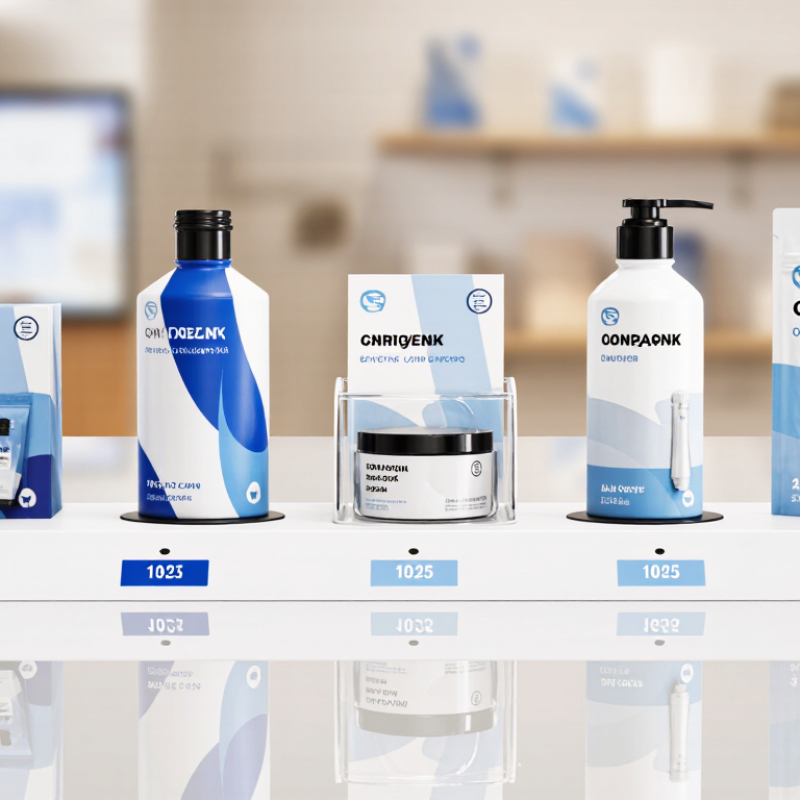
In a business context, a capsule brand is a deliberately compact, coherent offer—not simply a small catalogue. It might serve one clear customer need through a few related products, consistent materials, and recognizable packaging. A buyer should understand the offer quickly: imagine opening a neat sample box with three coordinated items, each solving a distinct part of the same problem. The focus can make product testing and inventory planning more manageable, though it does not guarantee lower costs or stronger demand. Small, but intentional.
Trust still matters. Nielsen’s 2015 Global New Product Innovation Survey reported that 63% of respondents preferred buying new products from familiar brands. For a newer capsule business, clear product information and a consistent experience can help build that familiarity over time. IBM Institute for Business Value’s 2022 consumer study found that 49% of surveyed consumers had paid a premium for products branded sustainable or socially responsible in the previous year. That figure is not proof that a capsule offer will sell; it does suggest that specific, verifiable sourcing details may matter more than broad claims. A narrow range also leaves less room to hide weak choices. That can be uncomfortable—and useful.
Why Choose a Capsule Brand for Your Business?
How the Capsule Brand Model Operates
A capsule brand builds its business around a small, carefully selected range of products. Instead of launching dozens of options, the company focuses on a clear customer need and a consistent look. A compact range can simplify product photography, inventory planning, and customer support. For example, a new home goods business might begin with three coordinated kitchen items, then track which one customers reorder.
The operating cycle starts with research, product selection, and supplier checks. The business then sets pricing, orders a measured quantity, and prepares clear product information. After launch, it reviews sales, returns, customer questions, and stock levels. These details help owners decide whether to restock, adjust the offer, or test another product. Keep it focused. A limited range can reduce complexity, but it also makes each product carry more weight. If one item disappoints, the whole offer may feel less convincing. Small launches still need realistic budgets and reliable quality checks.
Tips: Write down what each product is meant to solve. Compare supplier samples before placing a larger order. Set a review date, such as 30 days after launch, and use actual sales and customer feedback to guide the next decision. Don’t treat early interest as proof of lasting demand.
A capsule brand can help a business present a focused, easy-to-understand product range. Standardized units simplify product photography, shelf displays, and inventory tracking. A compact format can also make sampling more practical: customers can try one unit before choosing a larger pack. That lowers friction. For a small team, consistent packaging may reduce day-to-day complexity, though it cannot replace careful quality control or clear product information.
Digital sales make this format worth evaluating. That figure describes retail overall, not capsule products, so it should not be treated as proof of demand. It does show why a product needs to photograph well and ship reliably. Capsules can support a tidy online listing and predictable pack sizes. Still, small packages are not automatically cheaper to ship; weight, protection, and returns matter. Test a few configurations, track repeat purchases, and revise the offer when customers hesitate.
A capsule brand suits businesses that want to offer a focused, easy-to-understand range rather than a crowded catalog. Each product has a clear purpose. That can help smaller teams manage purchasing, explain choices, and learn what customers actually value. It is not automatically cheaper; limited stock can still tie up cash.
Independent retailers, online shops, and emerging makers may benefit most when serving a specific audience. A neighborhood shop might stock a compact set of everyday essentials, while a specialist store could curate products for one hobby or need. Creators with an engaged audience can test a small collection before expanding. Service businesses, such as studios or salons, may use a focused range of useful add-ons that fit their customers’ routines. The model works best when buyers want considered choices, not endless variety.
Tips: Begin with a few products that solve related needs. Track sell-through, repeat purchases, and customer questions before adding more. It is easy to overestimate demand because early feedback sounds enthusiastic; actual purchases are a better signal. Also check supplier lead times and minimum order quantities. A compact range is simpler to manage, but one delayed item can leave a noticeable gap.
Choosing a capsule brand is less about attractive packaging and more about consistent performance. The National Coffee Association’s 2024 National Coffee Data Trends report found that 67% of U.S. adults drank coffee the previous day. That broad demand does not guarantee capsule sales, but it makes reliable quality worth testing. Brew samples on the equipment your customers actually use. Check aroma, crema, and taste after several weeks of storage, not just on delivery day. Small flaws show up fast.
Assess capsule compatibility, seal integrity, and supply capacity before discussing price. Ask for batch records, origin details, and clear shelf-life guidance. Then compare landed cost per serving, including freight, damaged units, and minimum order quantities. A low unit price can hide awkward costs. Packaging also deserves scrutiny: the European Commission’s 2022 packaging waste data reported 186.5 kilograms of packaging waste per EU resident. That figure covers all packaging, not capsules specifically, but it signals why disposal instructions and material choices matter to buyers.
Request production samples and inspect them yourself. Check for leaks, crushed rims, and inconsistent fill weights. Speak with current business customers, if available, and ask how often deliveries arrive late. Reports and certificates help, but they cannot replace a practical trial. I would still leave room for doubt: one successful test batch is not proof of dependable supply. Run a small order first, record defects, and revisit the numbers after real use.