What Are the Top Types of Dog Chews in 2026?

Dog chews are moving beyond simple treats. They now support chewing behavior, dental care, enrichment, and everyday training. The American Pet Products Association’s 2025–2026 National Pet Owners Survey shows continued strength in U.S. pet ownership and household spending. That broader demand helps explain why owners are examining ingredients, durability, and safety more carefully. Packaged Facts’ recent dog-treats-and-chews market analysis also identifies premium, functional, and natural-positioned products as important category directions. However, “natural” does not automatically mean suitable for every dog.

This guide examines the top types of dog chews expected to attract attention in 2026. Categories include dental chews, long-lasting nylon products, collagen sticks, bully-style chews, plant-based alternatives, and softer training chews. Each option creates a different experience. A rubbery chew may suit a powerful adult dog, while a softer product may better fit a puppy or senior dog. The Veterinary Oral Health Council’s accepted-product list offers one useful reference for dental claims, but it should not replace veterinary advice. A chew can scrape teeth, splinter, or cause choking if its size and texture are wrong. That uncomfortable detail deserves attention.

Owners should check the package, inspect the chew during use, and remove damaged pieces. The Food and Drug Administration also advises caution with pet products linked to choking, injuries, or digestive problems. Market rankings alone cannot identify the safest choice. Real-world fit matters: jaw strength, chewing style, allergies, body size, and supervision all change the answer. Our comparison therefore values evidence, practical experience, and honest limitations over flashy packaging.
What Are the Top Types of Dog Chews in 2026?

What Makes a Dog Chew Safe, Useful, and Suitable in 2026

What Are the Top Types of Dog Chews in 2026?

In 2026, the best chew is not simply the hardest one. It must match a dog’s size, age, bite strength, and swallowing habits.

The APPA 2023–2024 National Pet Owners Survey reported 65.1 million U.S. households owned a dog.

That scale makes chew safety a practical health issue, not a minor buying detail. A useful chew should support enrichment, moderate chewing, and cleaner teeth without creating sharp fragments.

Veterinary Oral Health Council acceptance offers stronger evidence than attractive packaging. Its controlled trials assess plaque or tartar reduction under stated feeding conditions.

However, AAHA dental guidelines still place daily toothbrushing above dental chews. Chews are helpers, not toothbrushes.

Edible dental chews suit supervised, size-appropriate sessions. Flexible rubber treat toys may provide safer resistance for powerful chewers. Inspect them after every use. Replace cracked, sharp, or swollen pieces. The surface should yield slightly under pressure.

FDA consumer guidance warns that bones may fracture teeth, cause choking, or trigger intestinal blockage.

Avoid cooked bones, antlers, hooves, and exceptionally hard nylon products. The “fingernail test” is useful, but imperfect. Pressure differs between dogs and people.

I have seen dogs hide a chew, then gulp it when access returned. Supervision matters.

Stop chewing after coughing, vomiting, bleeding, or repeated pawing. Record chewing time, stool changes, and tooth sensitivity.

A veterinarian should reassess dogs with broken teeth, allergies, obesity, or fast-swallowing habits. The safest choice may be less exciting.

Edible Dog Chews: Types, Ingredients, and Nutritional Uses

What Are the Top Types of Dog Chews in 2026?

Edible Dog Chews: Types, Ingredients, and Nutritional Uses

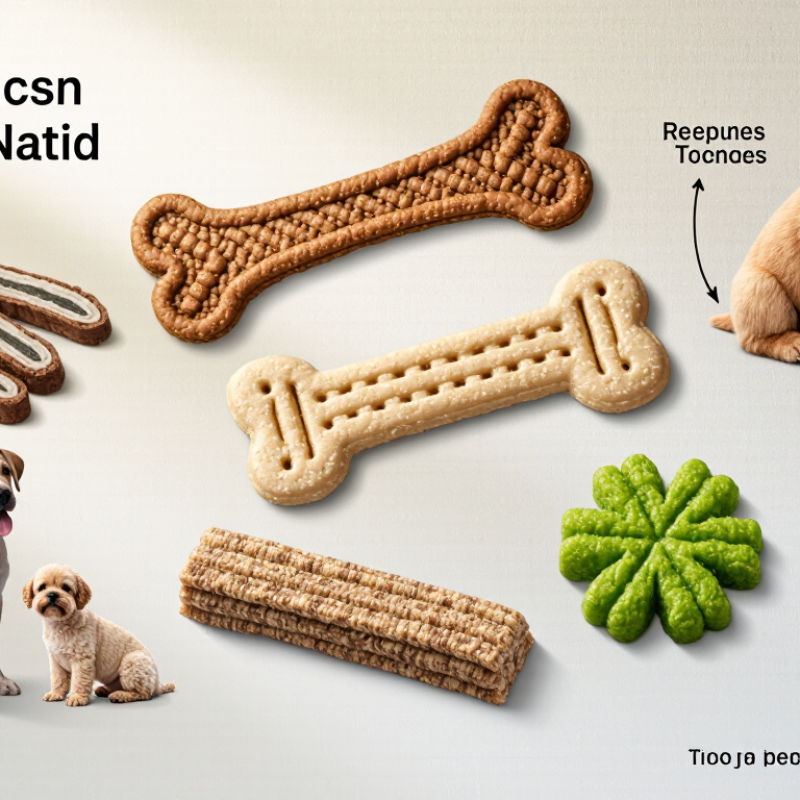
Edible dog chews now include dental sticks, collagen rolls, dehydrated meat, fish skins, and vegetable-based options. Each type serves a different purpose. Dental chews may help reduce surface plaque through mechanical chewing, but they cannot replace brushing or veterinary care. Collagen chews provide protein and a softer texture for many dogs. They are not complete meals.

Read the ingredient panel carefully. Single-protein chews can suit dogs with suspected food sensitivities, while mixed-meat products may complicate dietary trials. Fish skin supplies protein and natural oils, although its odor can be intense. Vegetable chews may add fiber, but starch-heavy recipes can offer limited nutrition. A chew’s nutritional value depends on its full formulation, not its marketing language.

Size matters greatly. Choose a chew larger than the dog’s mouth and match its firmness to the dog’s chewing style. Always supervise chewing, especially when the piece becomes small. Remove sharp fragments or swallowed chunks. Treat calories should generally stay within about ten percent of daily intake, based on common veterinary nutrition guidance. Check with a veterinarian for puppies, senior dogs, overweight dogs, or pets with digestive disease. No chew is perfect. I still find that some dogs finish “long-lasting” chews quickly, so feeding plans need regular adjustment.

Protein values are approximate typical amounts per 100 g of edible chew product. Actual nutrition varies by animal source, drying method, recipe, and added ingredients. Edible chews should be offered with fresh water and used according to the dog’s size and chewing habits.

Durable Dog Chew Toys for Power Chewers and Everyday Play

In 2026, durable dog chews matter most for power chewers and active household play. The American Pet Products Association reported $152 billion in U.S. pet spending during 2024. Its National Pet Owners Survey also counted about 65 million dog-owning households. Those figures reflect strong demand for practical, long-lasting products.

For powerful jaws, choose thick rubber, layered nylon, or tightly woven materials with no sharp edges. A chew should resist immediate cracking, yet remain slightly flexible. Hard is not always safer. The Veterinary Oral Health Council advises selecting products that support dental care without risking broken teeth. Inspect every toy after each session. Replace it when pieces become loose, rough, or small enough to swallow.

Everyday play needs variety, not one indestructible object. Rotate a durable fetch toy, a textured chew, and a supervised enrichment toy. The American Veterinary Medical Association recommends matching toys with a dog’s size, chewing style, and activity level. A small dog may struggle with an oversized chew. A large dog may destroy a soft one within minutes. That mismatch is easy to miss. I once assumed “heavy-duty” meant universal. It does not. Dogs differ widely, and even excellent materials can fail under determined chewing. Supervision remains part of the product choice, especially for puppies, senior dogs, and aggressive chewers.

Natural and Plant-Based Chews: Benefits, Limits, and Safety

Natural and plant-based chews remain popular in 2026 because they feel simple, familiar, and less processed. Common choices include dried vegetable strips, sweet-potato chews, rice-based sticks, and compressed plant fibers. Some provide modest chewing satisfaction and may reduce boredom. They can also suit dogs with sensitivities to certain animal proteins, but ingredients still require careful checking.

Still, natural does not mean risk-free. Hard textures can fracture teeth, especially in powerful chewers. Small fragments may cause choking or digestive irritation. Odor, moisture, and poor storage can encourage contamination. Supervise every session. Size matters. Choose a chew larger than your dog can swallow whole, and remove it when it becomes small or sharp. Veterinary dental guidance often favors flexible products over extremely hard objects.

A practical mistake is assuming that “edible” means suitable for every dog. It does not. Dogs with dental disease, allergies, or sensitive stomachs may need different options. I would introduce one chew slowly and watch stool, appetite, and chewing behavior for twenty-four hours. Stop immediately if coughing, vomiting, mouth bleeding, or unusual tiredness appears. Clear labeling should show ingredients, calories, texture, and storage advice. Quality varies. Even a plant-based chew may contain excess starch, salt, or hidden animal ingredients, so careful reading remains essential.

How to Choose the Right Chew for a Dog’s Age, Size, and Habits

Choosing a dog chew starts with the dog, not the packaging. The American Pet Products Association reported 65.1 million U.S. households owned a dog in 2023–2024. That wide population includes tiny puppies, powerful adults, and seniors with fragile teeth.

Puppies need softer rubber or flexible edible chews. Their gums may bleed during teething, so avoid rock-hard materials. Adult dogs often suit durable rubber, textured dental chews, or size-appropriate edible options. The Veterinary Oral Health Council evaluates products for plaque and tartar control, but dental claims still need realistic expectations. Chewing cannot replace brushing or veterinary examinations.

Size and habits matter more than breed labels. A small dog should not receive a chew that can block its throat. A large, aggressive chewer may destroy a soft toy within minutes. Supervise every session. The U.S. Food and Drug Administration warns that bones can cause broken teeth, choking, digestive blockage, or internal injuries. Hard nylon and antler-like products deserve similar caution when teeth cannot leave a mark.

Senior dogs need extra patience. Choose softer textures and inspect gums before offering edible chews. Dogs that gulp need larger, slow-wearing options, not small treats. I have sometimes focused too much on durability. That can overlook dental damage. Replace any chew when it becomes sharp, small, or cracked. Packaged Facts’ 2024 pet treats analysis highlights continuing interest in functional and dental products, yet ingredient lists and chewing behavior still require individual judgment.

What Are the Top Types of Dog Chews in 2026? — How to Choose the Right Chew for a Dog’s Age, Size, and Habits

A practical comparison of common chew categories based on chewing style, life stage, body size, and everyday safety considerations.

Chew Type Material or Format Best for Age Best for Size Suitable Chewing Habits Typical Durability Main Benefits Important Safety Considerations
Soft Rubber Chew Toys Flexible, food-grade rubber; often hollow or textured Puppies Adults Small, medium, and large dogs when correctly sized Light to moderate chewers; dogs that enjoy licking and food puzzles Medium to high Gentle on developing or sensitive teeth; can be stuffed with food; supports enrichment and supervised chewing Choose a size too large to swallow. Replace the toy if it becomes cracked, torn, or small enough to fit fully in the mouth. Supervise strong chewers.
Durable Synthetic Chew Toys Hard-wearing nylon or other purpose-made synthetic materials Adults Young adults Medium and large dogs with powerful jaws Persistent, power, and repetitive chewers High Long-lasting; available in different shapes and textures; may help satisfy a strong urge to chew Very hard products can fracture teeth, especially in aggressive chewers. Avoid pieces that splinter or develop sharp edges. Stop use if the dog bites off chunks.
Dental Chews Edible, textured treats designed to encourage chewing Adults Senior dogs All sizes, provided the package size matches the dog’s weight Moderate chewers; dogs that accept edible treats Low; usually consumed in one session Texture may help reduce some soft plaque and food debris; can provide a controlled chewing routine They do not replace tooth brushing or veterinary dental care. Monitor calories, select an appropriate size, and supervise to reduce gulping or choking risk.
Food-Stuffed and Freezable Toys Hollow rubber or silicone-style enrichment toys filled with wet food or treats Puppies Adults Seniors All sizes; use a wide enough opening for safe removal Food-motivated dogs, bored dogs, and moderate chewers Medium to high Combines chewing, licking, and problem-solving; freezing can extend engagement; useful for calm indoor enrichment Use low-calorie fillings in suitable portions. Check the toy after each use, wash it thoroughly, and avoid ingredients toxic to dogs, including xylitol.
Rope Toys Braided cotton or synthetic fibers Adults Older puppies Medium and large dogs; small dogs need a proportionally sized rope Interactive tugging and moderate chewing Low to medium Encourages interactive play; textured fibers may help move loose debris across tooth surfaces during play Not ideal for unsupervised chewing. Remove the toy when threads become loose because swallowed fibers can cause digestive problems. Avoid rough tugging with puppies whose teeth are still developing.
Edible Animal-Based Chews Dehydrated or baked animal-derived products, such as meat-based strips or tendons Adults Healthy seniors All sizes, with chew dimensions matched to the dog Moderate chewers that consume treats slowly Low to medium Highly appealing to many dogs; can offer short-term enrichment without the hardness of some synthetic chews Calorie-dense and variable in fat content. Supervise closely, discard small pieces, and avoid products that are brittle, sharp, moldy, or difficult to soften.
Rawhide-Style Chews Compressed or rolled hide-based material Selected adults Only when the size and shape are appropriate for the dog Slow, supervised chewers Medium Can occupy some dogs for an extended period and is widely available in multiple shapes Some dogs swallow softened pieces or large chunks, creating a choking or intestinal blockage risk. Avoid for gulpers and dogs with digestive sensitivity; remove small remnants promptly.
Frozen Natural-Food Treats Frozen portions of dog-safe foods, such as plain wet food or suitable vegetables Puppies Adults Seniors All sizes, cut into pieces that cannot be swallowed whole Light chewers and dogs that prefer licking or gentle gnawing Low Cooling enrichment; generally softer than hard bones; can be useful for puppies during teething when offered safely Do not use hard frozen objects that may damage teeth. Introduce new foods gradually, keep portions small, and avoid unsafe ingredients such as onions, garlic, grapes, raisins, and xylitol.
Hard Natural Bones, Antlers, and Hooves Very hard animal-derived materials Not generally recommended Not recommended as a routine choice for any size Power chewers may be especially attracted to them Very high Long-lasting and highly engaging for some dogs Excessive hardness can fracture teeth; sharp fragments may injure the mouth or digestive tract. These items also present choking and blockage risks and are best avoided unless a veterinarian gives specific advice.
Selection rule: Choose a chew that is larger than the dog’s throat, proportionate to the dog’s weight and jaw strength, and appropriate for its dental health. Always supervise chewing, inspect the item regularly, remove broken or swallowed-size pieces, and provide fresh drinking water. Dogs with dental disease, a history of swallowing objects, food allergies, or gastrointestinal problems should receive individualized advice from a veterinarian.