Top 10 Puppy Food Brands for Global Buyers to Consider?
Choosing the right puppy food is crucial for your dog's health. With countless brands on the market, it can feel overwhelming. Puppy food must cater to specific nutritional needs. This ensures proper growth and development.
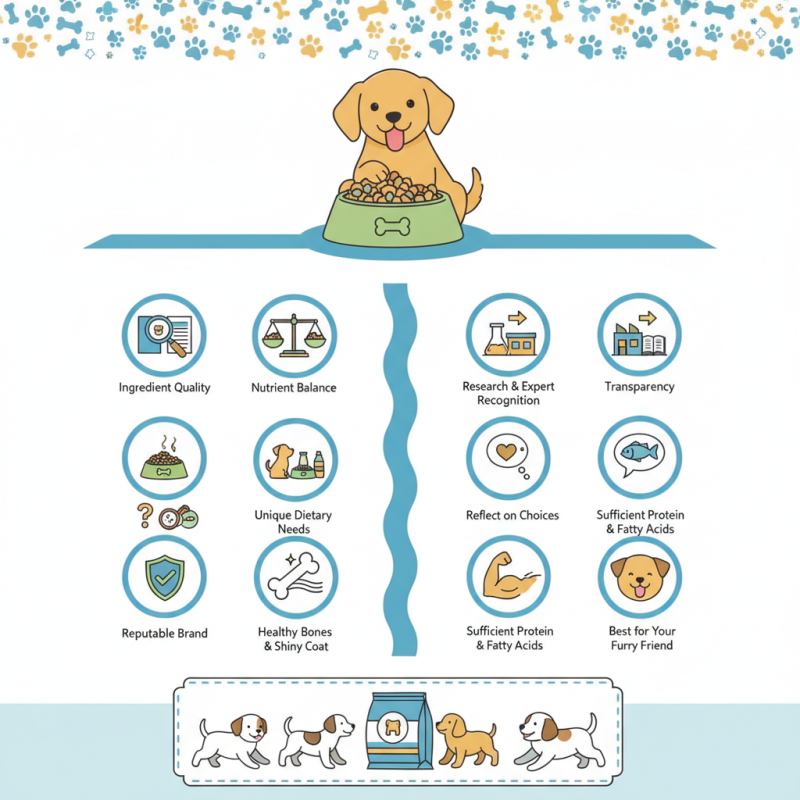
It's essential to consider factors like ingredient quality, nutrient balance, and your puppy's unique dietary requirements. High-quality puppy food promotes healthy bones and a shiny coat. However, not every brand meets these standards. Some might lack sufficient protein or essential fatty acids.
The goal is to find a reputable brand that aligns with your puppy's needs. Transparency in sourcing and manufacturing is vital. You want foods that are backed by research and recognized by pet nutrition experts. Reflect on your choices. Sometimes, what looks appealing isn't always best for your furry friend.
Top Factors to Consider When Choosing Puppy Food Brands
Choosing the right puppy food is crucial for your dog's growth. Many factors come into play. Nutritional value tops the list. A diet rich in proteins supports healthy muscle development. According to a 2022 report from the Association of American Feed Control Officials, balanced protein and fat levels are essential for puppies.
Another key factor is age-specific recipes. Puppy foods often contain higher calories than adult foods. The American Kennel Club states this difference helps sustain energy for play and growth. Look for AAFCO standards, ensuring the food meets all nutritional requirements.
Tips: Always check ingredient lists for quality meat sources. Avoid fillers like corn or soy, as they provide minimal nutrition. Consult with a veterinarian for personalized feeding plans. Puppies may have unique needs based on breed and activity level.
Lastly, consider any allergies or dietary restrictions. Some puppies may react poorly to certain ingredients. Observing their reactions can guide you in making better choices. This attention to detail improves your puppy’s overall health and happiness.
Overview of the Nutritional Needs of Puppies
Puppies have unique nutritional needs that must be met for their growth and development. They require a balanced diet rich in protein, fats, vitamins, and minerals. Protein is essential for muscle development. Healthy fats provide energy and support brain development.
Puppies need a higher calorie intake compared to adult dogs. Their digestive systems are still developing, making it crucial to choose easily digestible foods. Small, frequent meals can help meet their energy demands. Additionally, hydration is key. Puppies need fresh water available at all times to support their busy lifestyles.
It's important to be aware that not all puppy foods are created equal. Some may contain fillers or low-quality ingredients that could lead to nutritional deficiencies. Always check labels and research ingredients. This awareness can help ensure your puppy gets the best start in life. Each puppy is unique and may have specific needs based on breed and activity level. Observing their growth and energy levels can guide dietary adjustments.
The Most Popular Puppy Food Brands in the Market
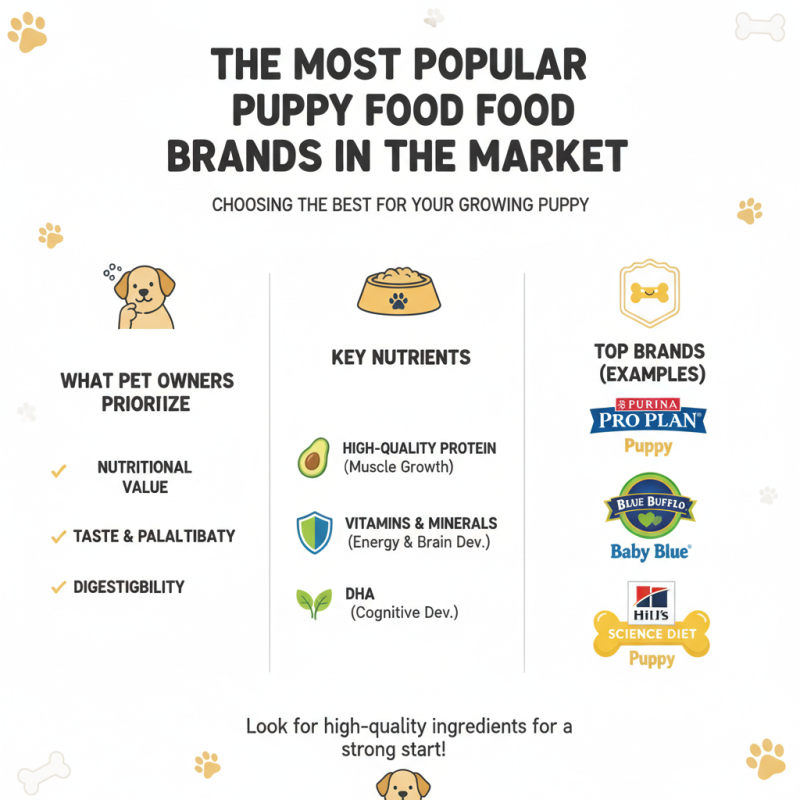
Choosing the right puppy food can feel overwhelming. With countless options, what do pet owners prioritize? Nutritional value, taste, and digestibility rank high. Many popular brands focus on high-quality ingredients, providing essential nutrients for growing puppies. Look for options rich in protein, healthy fats, vitamins, and minerals. It ensures your puppy develops strong muscles and immune systems.
**Tip:** Always read the ingredient list. Natural ingredients are a good sign. Avoid foods with artificial additives or fillers.
Price can often dictate perception. However, expensive does not always mean better. Some premium brands may lack essential nutrients, while affordable options might meet dietary needs effectively. Unrealistic expectations can lead to disappointment when your puppy rejects an expensive food.
**Tip:** Transitioning to a new food is important. Mix old with new over several days to avoid digestive issues. Observe your puppy’s reaction to any new brand.
Popular puppy food brands often gain followers due to marketing. Still, personal experience is invaluable. What works for one puppy may not suit another. Pay attention to your puppy’s energy levels and coat condition. These factors can indicate if you’ve made a good choice.
Comparative Analysis of Ingredients in Leading Puppy Foods
Choosing the right puppy food is crucial for your pup's growth and health. A comparative analysis can help pet owners navigate through various options. Ingredients in puppy food often vary significantly. High-quality protein sources, essential vitamins, and minerals should be at the top of the list. Look for whole meats over meat by-products.
Tips: Always read labels carefully. Ingredients are listed by weight. A food with wholesome meat as the first ingredient is preferable. Consider the specific nutritional needs of your puppy breed. Some breeds require more fat or protein than others.
The presence of fillers, artificial colors, and preservatives is a red flag. These do not contribute to your puppy's health and can cause digestive issues. Be wary of foods that seem too cheap compared to competitor brands. This price disparity could indicate lower quality ingredients.
Tips: Consult with a veterinarian to assess your puppy's dietary needs. Regularly evaluate the food's effect on your puppy’s energy levels and coat condition. It's vital to adapt your puppy's diet as they grow and their needs change.
Consumer Reviews and Ratings of Top Puppy Food Brands
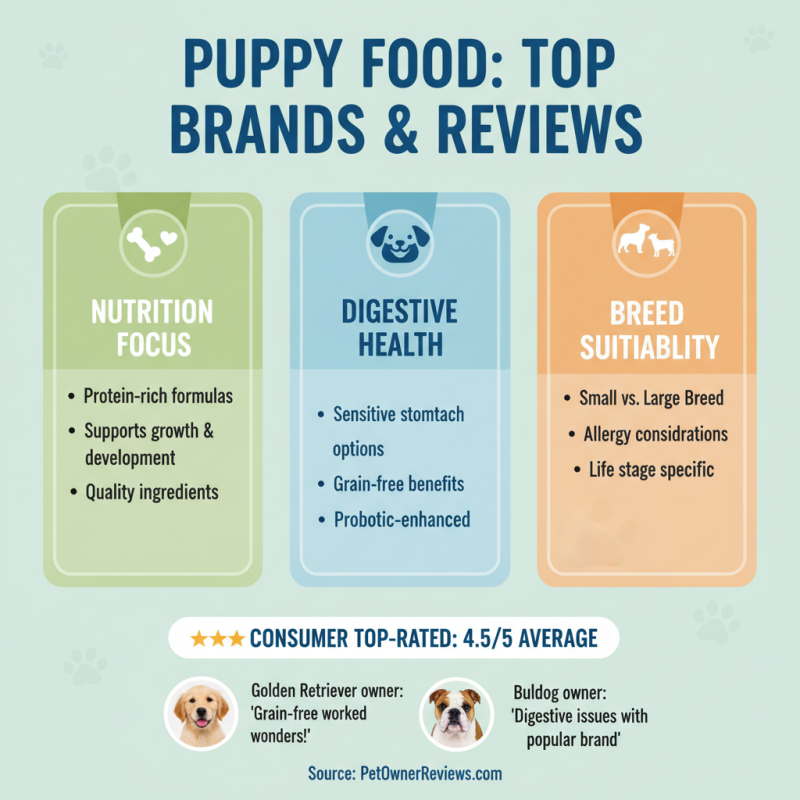
When choosing puppy food, consumer reviews are invaluable. Pet owners often share their experiences, highlighting specific benefits and drawbacks. Many reviews emphasize nutrition as a top priority. However, some foods may not be suitable for every breed. For example, puppies with sensitive stomachs may struggle with certain ingredients. A consumer noted that their puppy thrived on a specific grain-free option, while another faced digestive issues after trying a popular formula.
Ratings play a crucial role in decision-making too. Brands with high ratings often showcase quality ingredients. However, the ratings can sometimes mislead new buyers. A product may receive high praise but fail to meet the unique dietary needs of every puppy. Some owners reflect on their choices, realizing that initial ratings do not guarantee long-term satisfaction. They recommend looking beyond stars and numbers, focusing on their puppy’s reaction to the food.
It's essential to consider both the pros and cons from various owners' perspectives. Nutritional needs evolve as puppies grow. Therefore, a puppy’s diet may require adjustments over time. Shared experiences from other consumers can guide new pet owners in making informed choices. Reading feedback can unveil red flags about certain products, ensuring that pets receive the best possible nutrition as they grow.