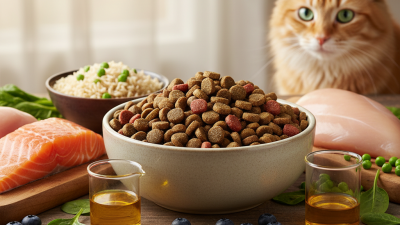
Choosing the right dry cat food can feel simple until every bag makes a different promise. This guide explores the Top 10 Nutrish Cat Food Dry Choices for Buyers, with attention to ingredients, nutrition, price, and everyday practicality. The phrase “nutrish cat food dry” covers several formulas, so buyers should compare each recipe instead of treating the brand as one uniform product. Life stage matters. So does your cat’s activity level.
A useful review begins with the ingredient panel and guaranteed analysis. Look for a named animal protein near the beginning, appropriate calorie content, and nutrients that match your cat’s needs. Grain-free does not automatically mean healthier. Neither does a higher price. Texture, smell, kibble size, and package freshness can influence whether a cat actually eats the food. That detail is easy to overlook.
This ranking aims to provide practical guidance, not a substitute for veterinary advice. Cats with urinary, kidney, digestive, or allergy concerns may need a carefully selected diet. A veterinarian can interpret those needs more reliably than marketing language. I also recognize a limitation: preferences differ sharply between cats, and one recommendation may fail in a real home. Some cats reject a new recipe after one bite. Others accept it immediately.
Readers should transition foods gradually and monitor appetite, stool quality, water intake, and body condition. Small observations matter. Prices and formulas may change, so confirm current labels before buying. The best choice is not always the most popular bag. It is the recipe your cat tolerates, enjoys, and receives in an appropriate feeding plan.
This dry cat food range is best understood through product type, not colorful packaging.
Common formats include standard adult recipes, indoor formulas, weight-control blends, and options marketed for sensitive digestion. Each serves a different household pattern. An indoor cat sleeping beside a warm radiator may need fewer calories than an active outdoor cat. However, “indoor” does not automatically mean nutritionally superior.
The Association of American Feed Control Officials requires complete diets to meet established nutrient profiles, while the U.S. Food and Drug Administration explains that ingredient lists are ordered by weight. That detail matters. A recipe can open with a named protein, yet its total nutrition still depends on amino acids, fat, minerals, and measured calories.
The 2024 American Pet Products Association report estimated that 82 million U.S. households own cats, increasing demand for convenient dry feeding. Convenience is real.
Still, buyers should check feeding trials, calorie density, manufacturing details, and the life-stage statement. The label deserves a slow read. A “sensitive” recipe may not solve vomiting or itching, and a lower-calorie formula can be unsuitable for a thin senior cat. Veterinary guidance is more reliable than shelf claims.
My practical mistake was judging a food by protein percentage alone; moisture, digestibility, and portion size changed the result. Formulas can also change, so reviewing the current package remains necessary.
When comparing ten dry cat food choices, check nutritional adequacy before attractive ingredient lists. The AAFCO 2024 Official Publication provides nutrient profiles for adult maintenance, growth, and reproduction. A suitable package should clearly identify its life-stage target. “Complete and balanced” matters more than a dramatic recipe name.
Protein quality deserves close attention. The National Research Council identifies essential amino acids, including taurine and arginine, as vital for cats. Look for named animal proteins near the beginning of the ingredient list. However, ingredient order can mislead when fresh ingredients contain substantial water. Dry-matter analysis gives a fairer comparison. A simple calculation is useful: divide protein by the food’s dry-matter percentage. I still find this easy to misread.
Moisture is another practical concern. Dry foods commonly contain about 8–12% moisture, according to typical product specifications reviewed in pet nutrition guidance. Cats may drink poorly, so place fresh water beside the bowl. The WSAVA Global Nutrition Committee recommends evaluating calories, feeding instructions, body condition, and veterinary oversight together. Watch the litter box. Weight gain can appear quietly. Choose moderate calorie density when indoor activity is limited. Preservatives, mineral balance, fiber, and digestibility also deserve review. A shiny label does not prove better nutrition. Safety data and feeding trials are useful, but published evidence is not always equally detailed across formulas.
Choosing among the top 10 dry options depends on the cat, not the package picture. My practical shortlist includes indoor-adult recipes, kitten formulas, senior diets, sensitive-stomach recipes, weight-control blends, hairball-focused food, active-cat meals, multi-cat formulas, urinary-support diets, and simple recipes for picky eaters. Each choice should provide named animal protein, appropriate calories, and clear feeding guidance. Check the label carefully. Marketing language can sound more impressive than the ingredient balance.
For kittens, smaller pieces and higher energy may help growing bodies. Senior cats often need softer kibble or veterinary advice for dental and kidney concerns. A heavier indoor cat may benefit from measured portions and higher fiber, but weight loss should be gradual.
Cats with digestive trouble need a slow food change, usually over seven days. Do not assume urinary-support food replaces medical care. Water still matters, even with dry meals.
I have seen owners fill the bowl too freely, then blame the recipe for weight gain. That is an easy mistake.
My comparison would also consider smell, kibble size, stool quality, coat condition, and whether the cat actually eats it. One choice may look excellent on paper and still fail in the bowl. Availability and budget deserve attention too. A reliable formula is useful only when the household can purchase it consistently.
Choosing among the top 10 dry cat food options requires more than comparing protein percentages. Kittens need nutrient-dense recipes for growth, while adults usually need controlled calories. Senior cats may benefit from highly digestible protein and softer-sized pieces. The AAFCO 2024 nutrient profiles separate growth, maintenance, and all-life-stage requirements, so the life-stage statement deserves close attention.
Health needs change the shortlist.
For overweight cats, compare calories per cup, not crude fat alone. WSAVA nutrition guidance recommends keeping treats below 10% of daily calories. Cats with urinary, kidney, allergy, or digestive conditions need veterinary direction, because ordinary supermarket formulas may not address clinical nutrition. A recipe listing named animal proteins, measured minerals, and clear calorie information feels more trustworthy. Vague ingredient language worries me.
Ingredients still need context. Higher protein is not automatically better, and grain-free wording does not prove superior quality. The National Research Council’s Nutrient Requirements of Dogs and Cats stresses balanced nutrients, including taurine and essential fatty acids. I would check feeding trials, manufacturing transparency, and batch contact details where available. Small details matter. Yet labels can confuse even careful buyers. I have sometimes overvalued the first three ingredients and overlooked calorie density. Comparing the bowl, the cat’s body condition, stool quality, and veterinary feedback gives a more honest result than marketing language.
Selecting dry cat food starts with the cat, not the package design. Check the life stage, calorie content, and feeding instructions. A kitten, adult cat, and senior cat may need different nutrient levels. Look for clearly listed animal protein and complete nutritional information. If your cat has kidney disease, allergies, or weight concerns, ask a veterinarian before changing diets. A shiny coat does not prove that a food suits every cat.
Purchase sealed bags from a clean, reliable retailer. Check the expiration date and inspect the packaging for tears, swelling, or moisture. Smaller bags can be sensible for one-cat homes. Freshness matters. Large discounts are not always real savings if the food becomes stale. Compare the cost per serving, not just the shelf price. Change foods gradually over seven to ten days. Sudden changes may cause vomiting or loose stool.
Store the bag in a cool, dry cupboard, away from sunlight and household chemicals. Keep the original packaging when possible. It contains the batch details and feeding information. Use a clean, airtight container, but do not mix new food with old pieces. Wash and dry the container between refills. Scoop with a dry cup. I would still check the smell and texture each day, although that habit is easy to forget. Discard food that smells rancid or shows insects, dampness, or mold. Fresh water should remain available beside every meal.