Top 5 Tips for Choosing Nutrish Beef Dog Food
Choosing the right food for your dog is essential. One popular option is Nutrish beef dog food. With so many choices on the market, making a decision can feel overwhelming.
When selecting a dog food brand, consider the ingredients. Nutrish beef dog food is known for its high-quality beef and added vitamins. The meat source is crucial for your dog's health. Remember to check for fillers or artificial additives. Dogs can be sensitive to certain ingredients, and not all food suits every breed.
Think about your dog's unique needs. Is your dog active or sedentary? Nutrish beef dog food may be a good fit for active dogs, helping them maintain energy and health. However, some owners have noticed their pets prefer other flavors. This can make it tough to find the perfect match. Always watch how your dog reacts to new food. Their preferences and health should guide your choices.
Understanding the Nutritional Needs of Your Dog
When choosing dog food, it's crucial to understand your dog's nutritional needs. Each dog is unique, requiring different nutrients based on age, size, and activity level. For example, a growing puppy may need more protein and fat than an older dog. On the other hand, active dogs thrive on higher energy levels from their food. This variation can make the selection process overwhelming.
Consider the ingredients carefully. Look for high-quality protein sources as the primary ingredient. Dogs are carnivores at heart, so they need meat to stay healthy. Also, don't overlook the importance of vitamins and minerals. These nutrients support overall health, boosting the immune system and promoting shiny coats. Sometimes, reading labels can be tedious. You might find it confusing to understand what each ingredient means.
Foods with filler ingredients often offer less nutritional value. So, it's essential to reflect on what you're feeding your dog. Will the food meet their specific dietary needs? It might take some time to find the right balance. Consider your dog's reactions to different brands over several weeks. Noticing their energy levels and coat condition can give insights into whether the food is right for them. This choice is not just about filling a bowl; it’s about their health and happiness.
Top 5 Nutritional Components in Dog Food
Evaluating Ingredient Quality in Nutrish Beef Dog Food
When choosing beef dog food, ingredient quality is paramount. Dogs thrive on high-quality protein. Look for real meat as the first ingredient. It should not be a by-product. Additionally, check for whole grains and vegetables. These enhance nutritional value, but watch out for fillers. They offer little benefit.
Consider the sources of the ingredients. Trustworthy brands often highlight their sourcing methods. But it can be tricky; some brands may exaggerate. Organic options may be a good choice, yet they aren't always accessible. Look for simple, recognizable ingredients. Avoid complex names that are hard to understand.
Don’t overlook the importance of balancing protein content with fats and carbs. While protein is crucial, excessive amounts can lead to health issues. Remember, dog food is not just about beef; it's about a balanced diet. Reflect on your dog’s reaction to certain foods. You may need to adjust based on their preferences and health. It's a journey of trial and error.
Comparing Nutrish Beef Dog Food to Other Brands
When comparing beef dog food options, it's essential to look at ingredient quality. Many brands may use artificial fillers or by-products. A 2021 market study indicated that over 40% of pet owners prioritize quality ingredients. Natural options with real beef in the top spots often provide higher protein levels, essential for muscle maintenance.
Tip: Always check the label for meat sourcing details. Real beef should be listed first, showing it's the main ingredient.
Texture and digestibility also matter. Some brands may include grains that can be harder to digest for some dogs. A report from the Pet Food Institute revealed that over 25% of dogs have sensitivities to common grains.
Tip: Consider grain-free formulas if your dog shows signs of allergies.
Price can be a misleading factor. Lower costs often mean lower quality. A comparison study found a slight price difference between premium and mid-range brands, but nutritional value varies significantly. Quality dog foods deliver better health outcomes.
Tip: Invest in dog food that meets AAFCO standards for balanced nutrition.
Assessing Your Dog's Allergies and Dietary Restrictions
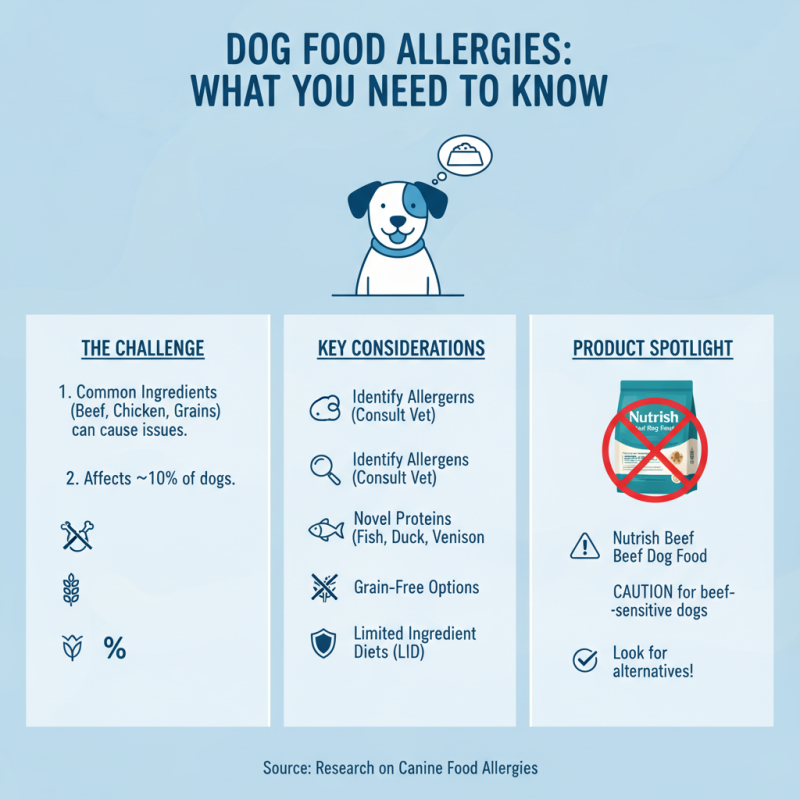
Choosing the right dog food can be challenging, especially for dogs with allergies or special dietary needs. Many dogs have sensitivities to common ingredients like beef, chicken, or grains. In fact, research shows that food allergies affect about 10% of dogs. This is crucial to consider when selecting food such as Nutrish Beef Dog Food.
Assess your dog's specific allergies. It’s important to consult a veterinarian for allergy testing. This will help identify triggers. Based on findings, look for dog food that excludes harmful ingredients. For instance, some dogs might be allergic to beef. Others could react poorly to grains. Knowing your dog's needs can prevent uncomfortable reactions or serious health issues.
Tip: Read ingredient labels carefully. Familiarize yourself with what’s in the food. Understand the protein sources and fillers. Opt for solutions with limited ingredients. Fewer ingredients can mean a lower chance of allergies.
Another point to consider is dietary restrictions. Some dogs may need grain-free diets. Alternatively, others could require high-fiber options for digestive health. Each dog is unique, and a one-size-fits-all approach doesn’t always work. Pay attention to how your dog responds to different foods over time. Adjustments may be necessary, so remain open to change.
Reading Customer Reviews and Expert Recommendations
When selecting dog food, customer reviews and expert insights play a crucial role. Many pet owners turn to online reviews for guidance. According to a recent industry report, 73% of consumers rely heavily on reviews before making a purchase. These firsthand accounts can reveal whether a product meets its claims. You can learn about ingredient quality and palatability through these testimonials.
However, not all reviews are created equal. Some may reflect individual experiences that don’t resonate with your dog’s needs. An analysis from the American Pet Products Association noted that 34% of dog owners reported dissatisfaction with their pet’s food choice based on quality. Therefore, it’s essential to consider both positive and negative feedback. Experts often provide detailed analysis on nutritional content, which can guide your decision. But remember, their recommendations may not align with every dog's dietary requirements.
By blending customer reviews with expert recommendations, you navigate through conflicting opinions. A mixed approach helps you understand potential pros and cons. Digging deeper into empirical data can lead to more informed choices. Ultimately, it may take several trials before finding the perfect fit for your furry friend. Keep an eye on your dog's reaction and refine your choices as necessary.
Top 5 Tips for Choosing Nutrish Beef Dog Food - Reading Customer Reviews and Expert Recommendations
| Tip |
Description |
Rating (out of 5) |
Customer Feedback |
| Quality Ingredients |
Look for high-quality protein sources and avoid fillers. |
4.8 |
My dog loves the taste and it smells great! |
| Nutritional Balance |
Ensure the food provides a well-rounded diet. |
4.5 |
Good balance of protein and fats, my pup is thriving! |
| Age-Appropriate Formulations |
Choose formulas specific to your dog's life stage. |
4.7 |
Perfect for my puppy! She has plenty of energy. |
| Allergies & Sensitivities |
Check for common allergens if your dog has sensitivities. |
4.6 |
No upset stomach issues since switching foods! |
| Brand Reputation |
Research the brand's history and customer service. |
4.9 |
Great customer support and a trusted brand! |