10 Tips for Choosing the Best Pet Food for Your Furry Friend?
Choosing the right pet food can be a daunting task. With so many options available, it’s easy to feel overwhelmed. "Quality pet food is essential for your pet's health," says Dr. Emily Torres, a renowned veterinarian and pet nutrition expert. She emphasizes the importance of selecting the right nutrients for our furry friends.
Pet food should meet not just basic needs, but also specific dietary requirements. Each pet is unique, and their food must support their health and well-being. This involves considering ingredients, your pet’s age, and any allergies they may have.
As you delve into this topic, remember, not all brands are created equal. Some may advertise benefits that are misleading. Doing thorough research is crucial. Selecting the best pet food requires time and thought, especially when our pets depend on us for their nutrition.
Understanding Your Pet's Nutritional Needs
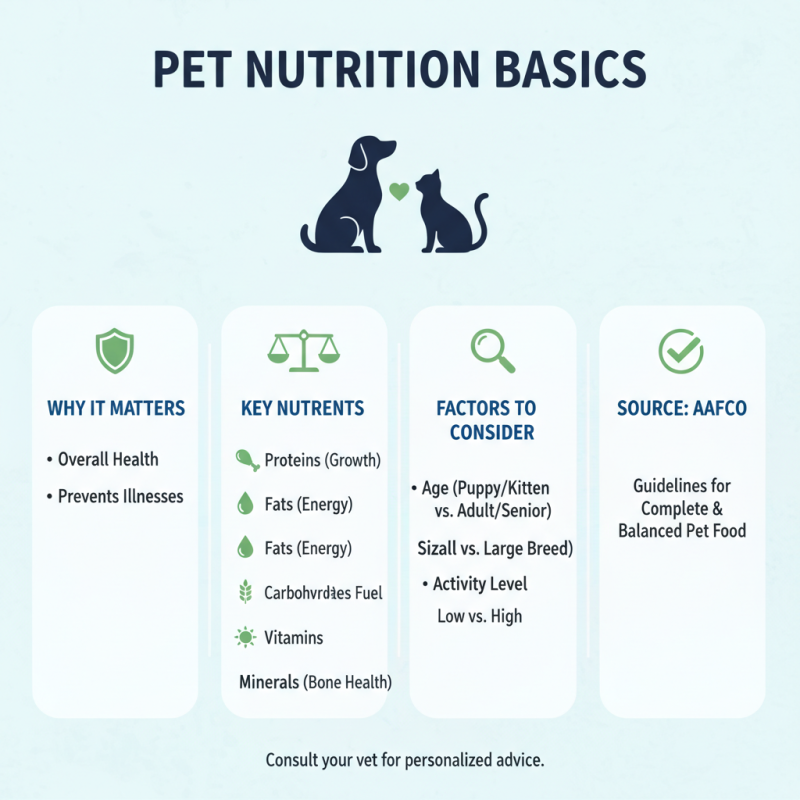
Understanding your pet's nutritional needs is crucial for their overall health. Many pet owners overlook the importance of a balanced diet. Dogs and cats have specific dietary requirements that can vary greatly by age, size, and activity level. According to the Association of American Feed Control Officials, a pet’s basic nutritional needs should include proteins, fats, carbohydrates, vitamins, and minerals.
For example, puppies often require more protein than adult dogs to support their growth. A study from the Veterinary Nutrition Society indicates that protein should comprise 22-32% of a puppy's diet. However, feeding an adult dog too much protein could lead to kidney issues. It's essential to choose food tailored for your pet's life stage.
Additionally, some pets may have allergies or sensitivities. Ingredients like chicken or grains can trigger reactions. A report from the American Kennel Club shows that nearly 10% of dogs have food allergies. Monitoring your pet's response to their diet is critical. Noticing changes in their coat, energy levels, or digestion can be telling. Making thoughtful choices might require trial and error. It’s a journey of discovery for both you and your furry friend.
Evaluating Ingredient Quality in Pet Food
When evaluating ingredient quality in pet food, start with the source. High-quality protein sources are vital. Look for meats like chicken or fish as primary ingredients. A report by the Pet Food Institute states that protein content is crucial for maintaining your pet's health. They recommend at least 20% protein for adult dogs and 30% for cats.
Next, assess the carbohydrate sources. Whole grains and vegetables provide essential nutrients. Meanwhile, avoid excessive fillers like corn and soy. According to a study published in the Journal of Animal Science, diets rich in whole foods lead to healthier pets. They show better digestion and energy levels.
Also, keep an eye on additives. While some vitamins and minerals are necessary, artificial preservatives can be harmful. Natural alternatives are preferable. Many pet owners overlook the fact that pets react differently to additives. A diet heavy in artificial ingredients may lead to long-term health issues. Focus on whole, recognizable ingredients.
10 Tips for Choosing the Best Pet Food for Your Furry Friend - Evaluating Ingredient Quality in Pet Food
| Ingredient Type |
Quality Rating |
Benefits |
Common Sources |
| Meat |
High |
Protein source, muscle development |
Chicken, Beef, Turkey |
| Whole Grains |
Medium |
Energy supply, fiber for digestion |
Brown Rice, Oats |
| Vegetables |
High |
Vitamins, minerals, antioxidants |
Carrots, Peas, Spinach |
| Fruits |
Medium |
Natural sweetness, vitamins |
Blueberries, Apples |
| Animal By-products |
Low |
Variable nutrition, less desirable |
Organ meats, bones |
Reading and Interpreting Pet Food Labels
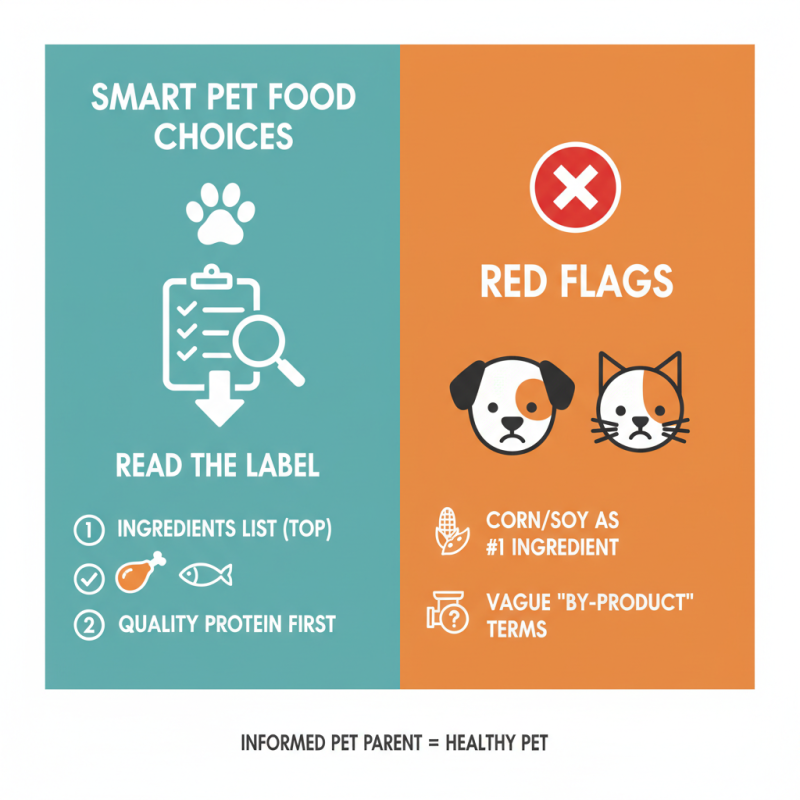
Understanding pet food labels is essential for making informed choices. Look for the ingredients list at the top. This indicates what is primarily in the food. Quality protein sources should be the first few ingredients. If corn or soy appears first, it may not be the best choice. Also, terms like "by-product" can be vague and raise concerns about quality.
Pay attention to the guaranteed analysis. This section shows the nutritional content, including protein, fat, and fiber. Check the percentages to ensure your pet's specific needs are met. For example, active dogs may require higher protein levels. Remember, these percentages can be misleading if not interpreted correctly. Some brands use fancy marketing that doesn't reflect true quality.
Keep an eye out for feeding guidelines. Often, these suggestions are generalized and may not suit every pet. Overfeeding is common due to unclear instructions. Consult your vet for personalized advice. It’s wise to reflect on these details when selecting food. Your furry friend's health may depend on it.
Considering Your Pet's Age and Health Conditions
When choosing pet food, age and health conditions matter greatly. Puppies and kittens require different nutrients compared to older pets. Young animals need high protein for growth. Older pets might need lower protein and more fiber. Ignoring these factors can lead to health issues.
If your pet has specific health conditions, focus on specialized diets. For instance, pets with allergies may require limited ingredient diets. Pets with dental issues might benefit from softer food. It’s essential to monitor their reactions to new food. Not all pets will adapt easily.
Regular vet visits are crucial. They can provide personalized advice. This ensures your pet is getting the nutrition they need. Sometimes, it might feel overwhelming. Deciding on the right food isn’t always easy. Reflecting on your pet’s needs will lead to better choices. Each pet is unique, and their requirements may change over time.
Exploring Various Pet Food Types and Brands
When it comes to pet food, understanding the types and brands available is crucial. There are various types of food such as dry kibble, wet food, and raw diets. Each type offers unique benefits. Dry kibble is convenient and can help keep teeth clean. Wet food often appeals to finicky eaters, and it provides additional moisture. Raw diets claim to mimic what pets might eat in the wild. However, they can be complex and risky.
Not every brand meets high-quality standards. Some may use fillers and artificial preservatives. Reading labels is essential. Look for whole ingredients and complete nutrients. It can sometimes be overwhelming. A popular brand doesn't always mean the best choice. Consider your pet's specific needs, like age and health conditions. Pay attention to ingredients. Sometimes, the best food may come from lesser-known brands. Trust your instincts and observe how your pet reacts to different foods. It's a journey of trial and error.
Top Nutritional Components in Pet Food
This bar chart illustrates the percentage of key nutritional components found in a typical pet food formulation, which helps guide pet owners to make informed decisions when selecting food for their furry friends.