What is Soft Dog Food and How to Choose the Best One for Your Pet
When it comes to ensuring the health and happiness of our canine companions, choosing the right food is paramount. One increasingly popular option among pet owners is soft dog food, which provides a palatable and easy-to-eat alternative to traditional kibble. Soft dog food is particularly beneficial for pets with dental issues, older dogs, or those recovering from health challenges, as its texture makes it easier to chew and digest. However, the market is flooded with a variety of formulations and types, making it essential for pet owners to understand what soft dog food truly is and how to select the best product tailored to their furry friend's individual needs.
In this article, we will delve into the key characteristics of soft dog food, exploring its components, nutritional benefits, and the different varieties available. Furthermore, we will provide insights into how to choose the best soft dog food for your pet. By considering factors such as ingredients, texture, and your dog's specific health requirements, you can make an informed decision that ensures their diet supports their well-being. Understanding the nuances of soft dog food will empower you to provide your beloved companion with the right nourishment for a happy and healthy life.

What is Soft Dog Food? An Overview of Its Definition and Benefits
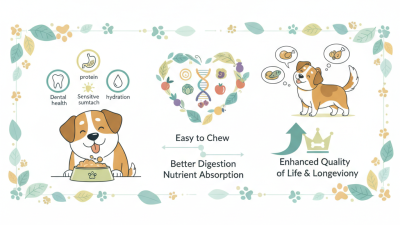
 Soft dog food refers to a type of pet food designed with a moist consistency, making it easier for dogs to chew and digest. This form of nutrition typically contains higher moisture content than dry kibble, which can be beneficial for dogs with dental issues, older pets, or those recovering from surgery. The texture of soft dog food often resembles that of a stew or pâté, making it palatable and enticing for many dogs. Additionally, the formulation of soft dog food can include a balanced mix of proteins, carbohydrates, and essential vitamins, ensuring that pets receive comprehensive nutrition in a more digestible form.
Choosing soft dog food can provide various health benefits for your pet. Firstly, the moist texture can help keep dogs hydrated, which is especially important during hot weather or for pets who do not drink enough water. Secondly, soft food can ease the transition for puppies moving from milk to solid food or for adult dogs who may need to transition to a diet that accommodates health issues like oral pain or gastrointestinal sensitivities. Lastly, many soft dog foods are fortified with nutrients that support skin health, joint function, and overall wellness, making them a solid choice for dog owners who want to prioritize their pet's health and quality of life.
Key Ingredients in Soft Dog Food: What to Look For in Quality Brands
When selecting soft dog food for your pet, it's essential to focus on the key ingredients that indicate quality. High-quality soft dog food typically contains a significant proportion of real meat, which serves as a primary source of protein vital for your dog’s muscle development and overall health. Look for products that list specific meats like chicken, beef, or lamb as the first ingredient, as this ensures that your dog is receiving a nutritious and balanced diet.
In addition to meat, consider the presence of wholesome carbohydrates and vegetables in the formula. Ingredients like brown rice, sweet potatoes, and peas provide necessary fiber, vitamins, and minerals that contribute to your dog’s digestive health. Healthy fats, such as those derived from fish oil or chicken fat, are also crucial, as they support skin and coat health. Furthermore, avoiding artificial preservatives, colors, and flavors will benefit your pet’s overall well-being, allowing you to choose a soft dog food that is not only palatable but also nourishing.
What is Soft Dog Food and How to Choose the Best One for Your Pet
| Key Ingredient |
Description |
Benefits |
Considerations |
| Meat Protein |
High-quality protein sourced from chicken, beef, or fish. |
Supports muscle development and overall health. |
Ensure it is the primary ingredient listed. |
| Whole Grains |
Includes brown rice, oats, and barley for healthy carbs. |
Provides energy and aids in digestion. |
Check for any allergies to grains. |
| Vegetables |
Ingredients like carrots, peas, and sweet potatoes. |
Rich in vitamins and antioxidants. |
Avoid excess fillers that serve no nutritional purpose. |
| Omega Fatty Acids |
Derived from fish oil and flaxseed. |
Supports skin and coat health. |
Check for balanced levels to avoid imbalances. |
| Probiotics |
Live beneficial bacteria aiding digestion. |
Promotes gut health and prevents upset stomach. |
Ensure stability and potency at the time of feeding. |
Nutritional Considerations: How Soft Dog Food Supports Canine Health
Soft dog food can be an excellent choice for pet owners looking to enhance their canine's diet, particularly for dogs with specific health needs or preferences. One significant advantage of soft dog food is its digestibility, which is crucial for older dogs or pets with dental issues. Studies indicate that as dogs age, their ability to chew and process dry kibble diminishes, leading to potential nutritional deficiencies. According to the American Veterinary Medical Association (AVMA), approximately 80% of dogs show some signs of dental disease by age three, making softer food options a viable alternative to ensure adequate nutrient intake.
Moreover, soft dog food often contains higher moisture content compared to dry kibble, which can help keep your pet hydrated. This is particularly important for maintaining urinary tract health, as well-hydrated dogs are less prone to urinary issues. The Association of American Feed Control Officials (AAFCO) suggests that adequate water consumption is vital for dogs, highlighting that certain dog food formulations can help with hydration. Furthermore, the nutrient profile in many soft dog foods can be tailored for specific life stages or health conditions, delivering a balanced diet rich in proteins, vitamins, and minerals essential for overall well-being. By choosing the right soft food, pet owners can support their dog's health effectively while accommodating their unique dietary needs.
Evaluating Soft Dog Food: Factors to Consider When Making a Choice
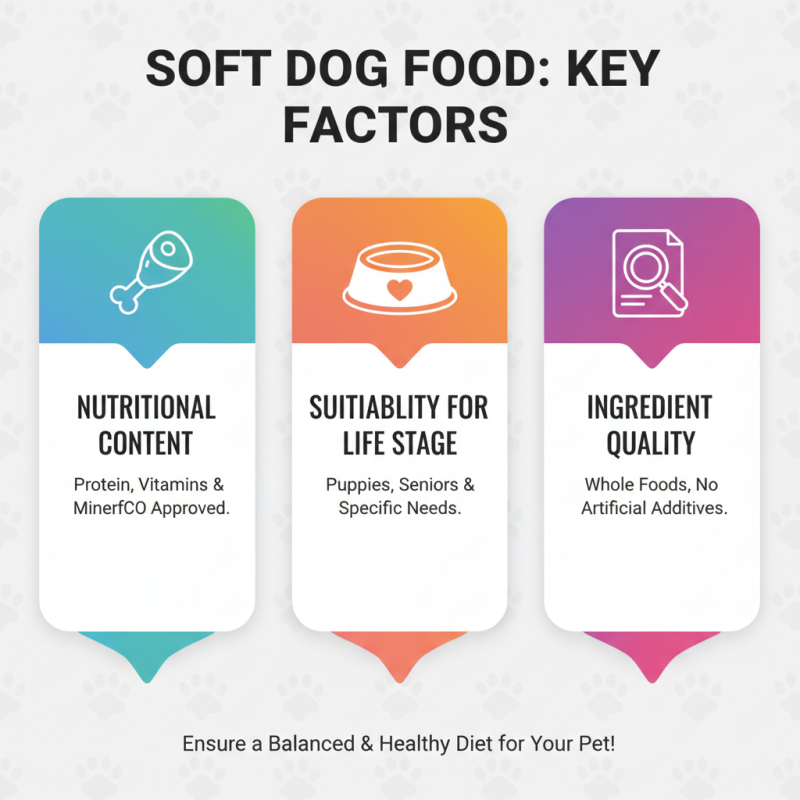
When evaluating soft dog food, several critical factors must be considered to ensure you select the best diet for your pet. One of the primary considerations is the nutritional content, as soft dog food should provide a balanced diet rich in protein, vitamins, and minerals. According to the Association of American Feed Control Officials (AAFCO), a complete and balanced diet must contain adequate amounts of these nutrients to promote overall health, particularly in puppies and senior dogs who may have specific dietary needs.
Another essential factor is the ingredient quality. Consumers increasingly prioritize whole, recognizable ingredients over fillers or artificial additives. A survey conducted by the American Pet Products Association revealed that 62% of pet owners prefer food that lists meat as the first ingredient, highlighting the demand for transparency and quality in pet food. Furthermore, potential allergens or sensitivities should also be assessed, especially for dogs with known dietary restrictions. It is imperative to check for common allergens like grains or specific meats that may cause digestive issues or allergic reactions.
Lastly, the texture and palatability of the food matter significantly, particularly for dogs with dental issues or those who are picky eaters. Research shows that dogs are more likely to consume food that is both soft and flavorful, which can enhance their overall meal experience and ensure they receive adequate nourishment. Therefore, when selecting soft dog food, always prioritize a balanced nutrient profile, quality ingredients, and the specific dietary needs of your dog.
Top Recommended Brands of Soft Dog Food Based on Industry Reviews
When it comes to choosing the right soft dog food for your furry friend, industry reviews play a crucial role in guiding your decision. According to a comprehensive report by the Pet Food Institute, approximately 30% of pet owners prefer soft dog food due to its palatability and digestibility, especially for senior dogs or those with dental issues. The best options typically prioritize high-quality protein sources and essential nutrients, while avoiding fillers and artificial preservatives.
Top recommended brands of soft dog food are highly rated for their transparency in ingredient sourcing and adherence to strict quality standards. According to the Association of American Feed Control Officials (AAFCO), a well-balanced soft dog food should contain at least 18% protein and 5% fat, ensuring that your pet receives the necessary energy and nutrition. Look for products that are certified by third-party organizations, as this can be a good indicator of a company’s commitment to quality.
Tips: Always read the ingredient list and avoid foods with vague terms like "meat by-products." Additionally, consider your dog's specific dietary needs, including any allergies or sensitivities, as formulated diets may cater to these requirements. Consulting with your veterinarian can also provide insights tailored to your pet’s health conditions, ensuring a well-informed choice for your soft dog food selection.