Why Soft Dog Food Could Be the Best Choice for Your Pet's Health and Happiness
When it comes to selecting the best diet for our beloved pets, the decision often boils down to the texture and nutritional value of the food. Among various options available in the market, soft dog food has emerged as a popular choice for many pet owners. Not only does it cater to the specific dietary needs of dogs, particularly those with dental issues or sensitive stomachs, but it also offers unique benefits that can enhance both their health and happiness. The palatable nature of soft dog food makes it easier for pets to chew and digest, ensuring they receive essential nutrients without the struggle of harder kibble.
The importance of choosing the right food cannot be overstated, as a dog’s diet significantly impacts their overall well-being. Soft dog food provides a balanced blend of proteins, vitamins, and minerals, contributing to optimal growth and energy levels. Additionally, the moisture content in these foods helps maintain hydration, which is vital for a dog’s health. With a variety of flavors and formulations available, pet owners can easily find soft dog food options that cater to their furry friends’ specific tastes and preferences, ensuring that mealtime is not only nutritious but also enjoyable. Ultimately, selecting soft dog food can be a proactive step towards promoting longevity and enhancing the quality of life for our canine companions.
Benefits of Soft Dog Food for Nutritional Absorption and Digestion
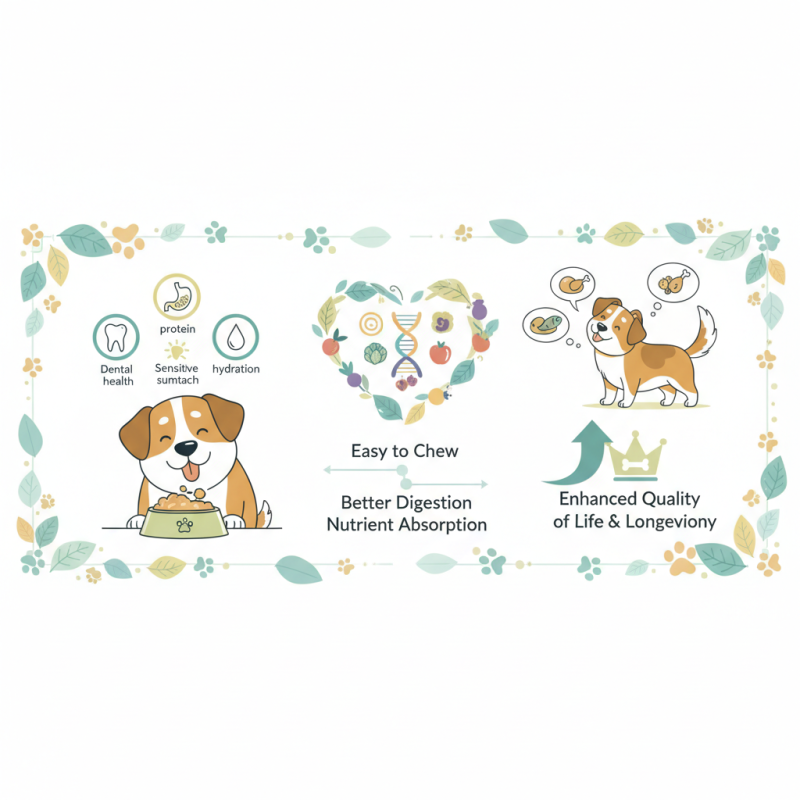
When considering your dog's diet, the texture of their food plays a crucial role in their overall health, particularly regarding nutritional absorption and digestion. Soft dog food is often easier for pets to chew and swallow, especially for those with dental issues or aging jaws. According to a study published in the Journal of Animal Nutrition, pets consuming soft food exhibit improved nutrient absorption rates, as the moist texture allows for easier breakdown in the digestive system. This can lead to better overall health, with pets experiencing fewer gastrointestinal issues.
Additionally, soft dog food can be beneficial for dogs with sensitive stomachs. Research indicates that dogs are less likely to experience bloating and discomfort when consuming moist food compared to dry kibble. The increased moisture content aids in hydration and digestion, which can be particularly important for dogs that struggle with regular bowel movements. A report by the American Kennel Club found that well-hydrated diets contribute significantly to improved digestive health in dogs.
Tips: When transitioning your dog to soft food, introduce it gradually over a week to minimize digestive upset. Pair it with regular vet check-ups to monitor your pet's health and adjust their diet as needed. Experimenting with different protein sources in soft dog food can also help ensure your pet enjoys their meals while getting the necessary nutrients.
How Soft Dog Food Supports Dental Health in Dogs
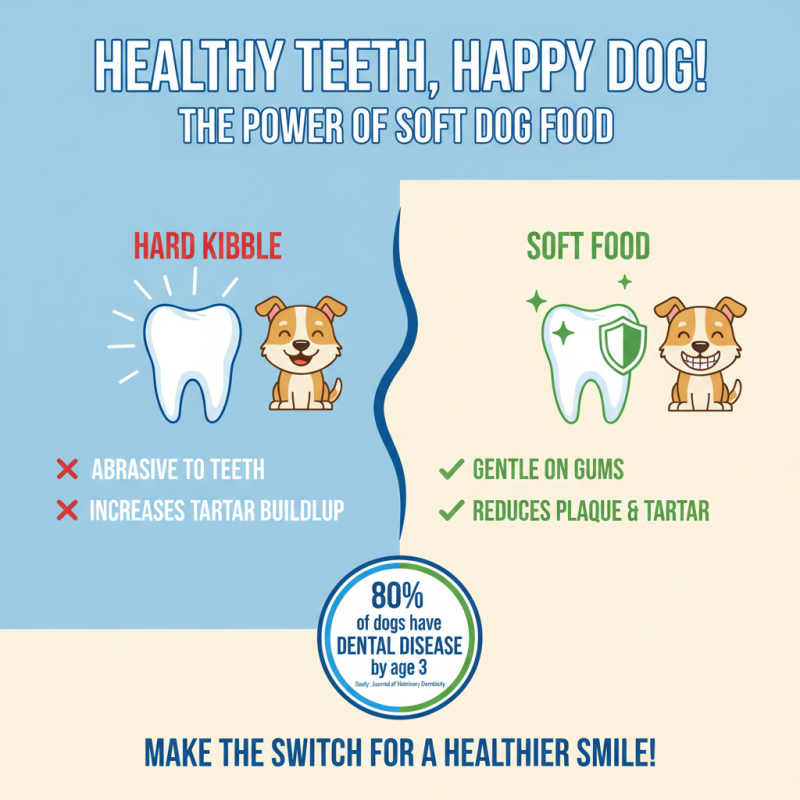
Soft dog food can be a fantastic choice for maintaining your pet’s dental health. Unlike hard kibble, which can be abrasive and may cause wear on your dog's teeth, soft dog food is less likely to contribute to dental tartar buildup. According to a study published in the Journal of Veterinary Dentistry, nearly 80% of dogs show signs of dental disease by the age of three, primarily due to the accumulation of plaque and tartar that hard foods often exacerbate. By incorporating soft dog food into their diet, owners can help reduce this risk, ensuring their dogs maintain healthier gums and teeth.
In addition to protecting against dental issues, soft dog food can also benefit dogs with specific health conditions such as periodontal disease or missing teeth. The texture of soft food is easier to chew, making mealtime more enjoyable and less painful for dogs that struggle with the harder options. A survey from the American Veterinary Medical Association highlighted that pet owners who switched their dogs to soft food noted improved eating habits and overall satisfaction during mealtime.
Tips: When selecting soft dog food, look for options that include dental benefits such as ingredients that promote gum health. Gradually transition your dog to a new diet to avoid digestive upset, and consider incorporating dental chews as part of their routine to enhance oral hygiene even further. Regular veterinary check-ups are also essential to monitor your dog’s dental health effectively.
Comparing Soft Dog Food with Dry Dog Food: Pros and Cons
When choosing between soft dog food and dry dog food, pet owners often face a difficult decision.
Soft dog food, with its palatable texture and moisture content, can be particularly appealing to pets, especially those with dental issues or sensitive stomachs. The moist nature of soft food makes it easier to chew and digest, thereby enhancing the eating experience for dogs who may struggle with harder kibble. Additionally, soft dog food is often richer in proteins and other nutrients, providing a balanced diet that can support overall health and vitality.
On the other hand, dry dog food has its own set of advantages. It is generally more convenient, has a longer shelf life, and can help maintain dental health by reducing plaque buildup through its crunchy texture. Many pet owners find dry food easier to measure and store, making it a practical choice for daily feeding routines. However, some dogs may not be as enthusiastic about dry food and may miss out on important hydration if they don't drink enough water as a result.
Ultimately, the choice between soft and dry dog food should consider the individual pet's health needs, preferences, and any specific dietary recommendations from a veterinarian.
Choosing the Right Soft Dog Food for Different Dog Breeds and Ages
When choosing soft dog food, it's important to consider the specific needs of your dog's breed and age. Different breeds have varying dietary requirements; for instance, smaller breeds may benefit from soft foods that are easier to chew and digest, while larger breeds often need nutrient-dense options to support their joint health. Puppies require specialized formulas rich in protein and fat to fuel their growth and energy levels, whereas senior dogs might need softer options that are gentle on their teeth and digestive systems.
Additionally, age-related nutritional changes must be taken into account. As dogs age, they become more susceptible to health issues, and a diet formulated for their life stage can help mitigate these risks. Soft dog food that contains added vitamins and minerals can support healthy aging, while also being palatable for dogs with diminished appetites. Whether for a playful puppy or a wise old companion, selecting the right soft dog food tailored to their breed and life stage is essential for enhancing their overall health and happiness.
Why Soft Dog Food Could Be the Best Choice for Your Pet's Health and Happiness
This chart illustrates the benefits of soft dog food compared to dry dog food in terms of nutritional value, palatability, and digestibility across different dog breeds and ages.
Understanding the Ingredients in Soft Dog Food for Optimal Health
When choosing the right food for your dog, understanding the ingredients in soft dog food is crucial for their health and happiness. Soft dog foods, often formulated with high moisture content, typically include quality proteins such as chicken, beef, or fish. These proteins are essential for muscle development and overall vitality. Additionally, soft dog food often incorporates easy-to-digest carbohydrates like rice or potatoes, which provide energy without straining the digestive system of sensitive dogs or those with dental issues.
Moreover, many soft dog foods are enriched with vitamins, minerals, and beneficial fats. Omega fatty acids, for example, are commonly added to support skin and coat health, while antioxidants help boost the immune system. Ingredients like fruits and vegetables not only enhance the flavor but also introduce fiber and additional nutrients that promote proper digestion. By prioritizing high-quality and natural ingredients, soft dog food can contribute significantly to your pet's well-being, ensuring that they receive all the necessary nutrients in a palatable form.