Why Is Quality Pet Food Essential for Your Pets Health?
When it comes to our pets, what we feed them is crucial. Dr. Jane Smith, a renowned veterinary nutritionist, emphasizes, "Quality pet food shapes your pet's health and well-being." Pet food plays a central role in their lives. Choosing the right nutrition can prevent common health issues, from obesity to allergies.
Many pet owners may not realize the importance of high-quality ingredients. Often, cheaper options contain fillers that offer little nutritional value. Pets consuming these foods may suffer from digestive problems or lack of energy. It is heartbreaking to see pets struggling with preventable health issues.
Investing in quality pet food can make a significant difference. A balanced diet helps maintain a healthy weight and boosts immunity. However, navigating the pet food market can be overwhelming. With so many choices available, how do we decide? A bit of research and consultation with experts can illuminate the path to better choices for our furry friends.

Importance of Nutrition in Pet Health
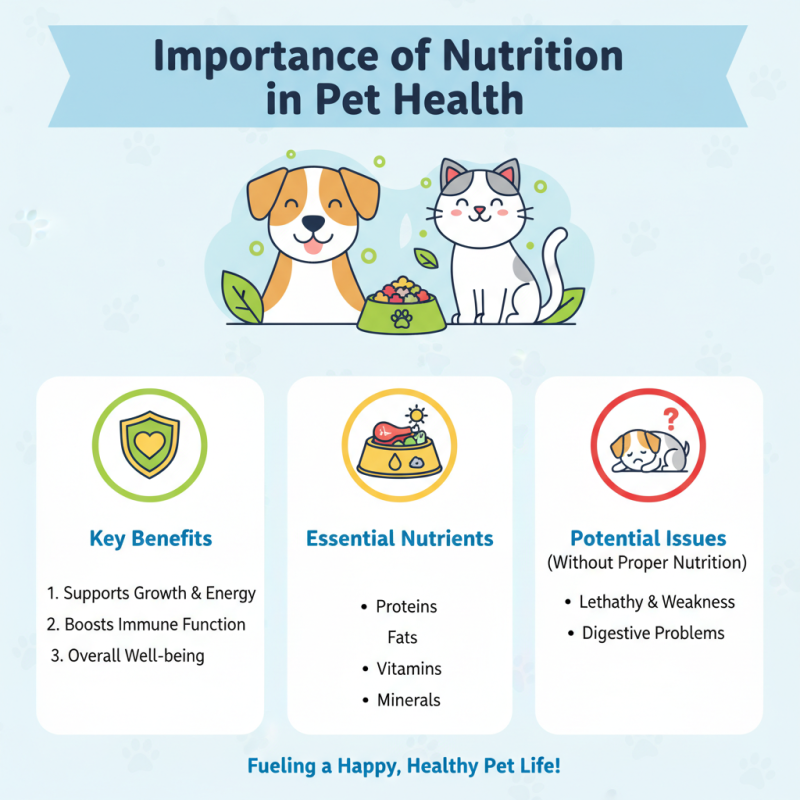
Proper nutrition plays a crucial role in maintaining your pet's overall health. A balanced diet provides essential nutrients that support growth, energy, and immune function. Pets require proteins, fats, vitamins, and minerals to thrive. Without the right combination, you might see negative effects, like lethargy or gastrointestinal issues.
Many pet owners assume all food is suitable for their furry friends. However, this can lead to dangerous deficiencies or excesses. For example, too much sugar can lead to obesity, while a lack of certain vitamins may weaken their immune system. What might seem like a minor oversight can lead to serious health concerns.
It’s essential to understand your pet's unique dietary needs. Every species and breed has specific nutritional requirements. Consulting with a veterinarian can clarify these needs. Even small changes in diet should be approached cautiously. Monitoring your pet’s response to new foods is vital. Observing their behavior and health can inform future decisions. Nutrition is not just about filling bowls; it's about nurturing life.
Key Components of Quality Pet Food
Quality pet food plays a crucial role in ensuring your pet's overall health. When selecting pet food, look for high-quality ingredients that provide essential nutrients. A study from the Association of American Feed Control Officials (AAFCO) shows that quality food contains proper protein, fats, vitamins, and minerals, which are vital for growth and maintenance.
Protein sources like chicken or fish should be prioritized over fillers like corn or soy.
Moreover, quality pet food should be formulated according to your pet's specific age, size, and health needs. Puppies require different nutrients compared to older dogs. According to the American Animal Hospital Association, nearly 60% of pets are overweight or obese, primarily due to inappropriate feeding. Recognizing this is essential, as weight management starts with a well-balanced diet.
In addition, pet food should undergo rigorous testing to ensure safety and nutritional value. The Journal of Animal Science studies indicate that food produced under stringent regulations greatly reduces health risks. Not all brands take this step, leaving some pets vulnerable to deficiencies. As pet owners, it's vital to read labels and understand what goes into your pet's food.
Benefits of a Balanced Diet for Pets
A balanced diet is crucial for your pet's overall health. Quality pet food provides essential nutrients, promoting strong bones and healthy coats. Pets thrive when they receive the right balance of proteins, fats, carbohydrates, vitamins, and minerals. This diet can enhance their immune systems, helping them fight off illnesses and infections.
When choosing pet food, consider age, size, and activity level. Puppies require different nutrients compared to senior dogs. Active pets may need more protein to support their energy levels. Always read labels and consult with a veterinarian to ensure your pet’s dietary needs are met effectively.
Tips:
Include fresh fruits and vegetables in your pet’s diet. They can provide valuable vitamins. Regularly monitor your pet’s weight and energy levels. Adjust portion sizes as needed. Quality food may seem expensive, but it can save on vet bills in the long run.
Benefits of a Balanced Diet for Pets
Common Ingredients to Avoid in Pet Food
Choosing the right pet food is crucial for your pet's health. Many pet owners overlook the importance of ingredient quality. Certain ingredients can have negative effects on your pet's well-being. For instance, artificial preservatives like BHA and BHT are linked to potential health risks, including cancer. Research shows that pets consuming food with these additives face higher health concerns.
Additionally, filler ingredients such as corn and soy are commonly found in pet foods. These ingredients offer little nutritional value. In fact, a veterinary study indicated that diets high in fillers might correlate with obesity in pets. High-quality protein sources are essential for growth and maintenance. Choosing diets rich in whole meats can ensure your pet thrives.
Pet food labels often mislead consumers. Many pet owners may not recognize harmful ingredients in their purchases. A survey found that only 20% of pet owners check for harmful additives when buying food. This lack of awareness can result in poor dietary choices. Being informed and vigilant about ingredient quality is vital for making healthier choices for your pets.
Long-term Health Impacts of Quality Diet on Pets
A high-quality diet significantly impacts the long-term health of pets. When pets eat nutritious foods, they often exhibit increased energy levels. This is crucial for maintaining a healthy weight and the overall well-being of the animal. Poor diet can lead to obesity, diabetes, and heart problems. It’s alarming how many pets suffer due to subpar nutrition. A quality diet helps strengthen their immune systems. This can lead to fewer vet visits and lower medical costs over time.
Feeding pets a balanced diet rich in essential nutrients contributes to their longevity. Well-fed pets often have shinier coats and healthier skin. These visual changes reflect internal health. It’s easy to overlook how diet affects behavior. A balanced diet can lead to improved temperament and reduced anxiety in pets. On the flip side, bad food choices may result in behavioral issues. Many pet owners might overlook this link.
However, choosing the right food can be challenging. With vast options available, misinformation is common. Some foods marketed as "natural" may not provide adequate nutrition. Owners often make choices based on packaging rather than ingredients. This can lead to a trial-and-error approach that is frustrating. Being informed is key to ensuring a pet's health and happiness.