Top 10 Nutrish Salmon Dog Food Options for Global Buyers
Choosing a salmon-based food involves more than spotting fish on the front of a bag. For global buyers, availability, package size, ingredient details, and feeding guidance can differ by retailer and market. This guide compares ten Nutrish salmon dog food options through practical checks: the named protein, the life stage listed, calorie information, and clear feeding directions. Labels can be easy to misread. A salmon image alone does not establish how much salmon a recipe contains.
Veterinary nutritionist Dr. Cailin Heinze has emphasized that no single diet suits every dog. That is a useful lens for this list. A lively young dog, a senior with a sensitive stomach, and a dog that needs measured portions may not thrive on the same choice. Compare each product’s full ingredient panel and nutritional adequacy statement, then consider your dog’s age, health, and daily routine. For specific medical needs, ask your veterinarian rather than relying on a product ranking.
Details matter. Availability can change, and online descriptions may omit useful label information. This guide is a starting point, not a guarantee that every option fits every dog or every country. Some comparisons remain imperfect because listings do not always provide equal detail. Check the package available to you before buying, especially when switching foods. A gradual transition may help some dogs adjust, but watch your dog’s response and seek veterinary advice if concerns arise.
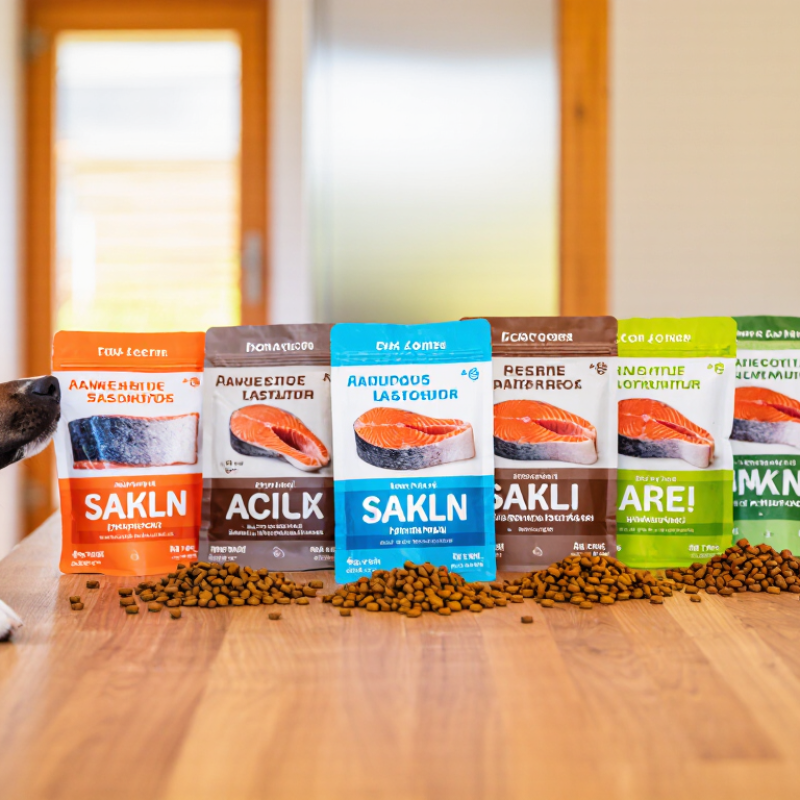
Understanding Nutrish Salmon Dog Food and Its Main Formulations
Salmon-based dog foods usually appear as dry kibble, canned meals, or recipes with limited protein sources. Each format handles moisture differently: kibble is easy to portion, while canned food often has a softer texture and more water. “Salmon recipe” does not always mean salmon is the only animal protein. Check the ingredient list for poultry, fish meals, and added fats. Details matter.
Formulation quality depends on the finished food, not one featured ingredient. AAFCO’s adult-maintenance nutrient profile sets minimums of 18% crude protein and 5.5% crude fat on a dry-matter basis. These figures help compare nutrient adequacy, but they do not show whether a particular recipe suits an individual dog. WSAVA’s Global Nutrition Guidelines advise owners to review the nutritional adequacy statement and seek clear information about formulation expertise and quality control. I still find front-label claims easy to overread. A salmon-led formula may contain useful marine fats, yet its actual omega-3 levels vary; ask the maker for a nutrient analysis when those levels matter. For a sensitive dog, introduce any new recipe gradually and watch stool, skin, and appetite. Not just the fish.
Key Ingredients and Nutritional Features Across Salmon-Based Options
Salmon-based dog foods differ in more than the fish listed first.
Some use fresh salmon, which contains substantial water; others include salmon meal, a concentrated source of animal protein. Check the full ingredient list for additional proteins, such as poultry, and carbohydrates like rice or peas, especially if your dog has known sensitivities.
Details matter.
Salmon oil can add EPA and DHA, long-chain omega-3 fats, but the label may not disclose their amounts.
I would want clearer figures.
For adult maintenance, AAFCO’s 2024 Dog Food Nutrient Profiles set minimums of 18% crude protein and 5.5% fat on a dry-matter basis. These are adequacy benchmarks, not a measure of ingredient quality or an ideal target for every dog. Compare foods on a dry-matter basis; moisture makes canned and dry foods’ guaranteed analyses hard to compare directly. A complete-and-balanced claim for the dog’s life stage also matters.
Not always obvious.
Fish oils can oxidize, so check packaging dates and storage guidance.
I would still look for specific EPA and DHA quantities, rather than assuming “salmon” guarantees a meaningful omega-3 dose.
Top 10 Nutrish Salmon Dog Food Options for Global Buyers
Salmon-based dog foods vary in texture, life-stage suitability, and supporting ingredients. Options include dry kibble, wet pâté, chunky stew, small-breed kibble, and large-breed recipes. Other choices include puppy, adult-maintenance, and senior formulas, plus limited-ingredient and salmon-and-rice recipes. These are different formats, not ten guarantees of quality. Check the label.
For international buyers, compare the nutritional adequacy statement, feeding directions, ingredient list, and package date. A salmon-first ingredient does not automatically make a food suitable for every dog. Look for clear protein and fat information, and ask a veterinarian about allergies, growth needs, or ongoing digestive problems. Omega-3 fats can support skin and coat health, but a food’s overall nutrient balance matters more than one ingredient. Not just the front.
Packaging also matters. A resealable bag helps keep kibble dry in humid weather, while cans need careful storage after opening. Introduce a new food gradually over several days and watch appetite and stool changes. I may be overcautious, but unfamiliar labels deserve a second read; translations and serving measures can be confusing. For travel or repeat orders, check that the same recipe and package size are consistently available.
Comparing Each Option by Life Stage, Dietary Needs, and Product Type
Salmon-based food can suit different dogs, but the right choice depends on age, body condition, and tolerance. APPA’s 2024 industry report estimated US spending on pet food and treats at $65.8 billion. A large market does not guarantee a suitable formula. Check the nutrition adequacy statement and feeding directions. AAFCO profiles distinguish growth, adult maintenance, and all-life-stages diets; these labels help narrow choices, but cannot replace individual advice.
Compare ten salmon-centered options: puppy kibble, adult-maintenance kibble, senior calorie-conscious kibble, small-breed kibble, large-breed formula, sensitive-digestion recipe, limited-ingredient recipe, grain-inclusive recipe, canned pâté, and weight-management food. Product type matters: dry kibble is convenient to portion, while canned food adds moisture. “Sensitive” or “limited ingredient” on a label does not confirm a medical benefit. For suspected allergies or ongoing stomach problems, ask a veterinarian before switching. Fit matters more.
Tips: Transition gradually over about seven days, and track stool, appetite, and weight. WSAVA’s nutrition guidance recommends assessing each pet’s diet and body condition individually. Compare calories per serving, not just the front-label claims; serving sizes can be surprisingly different. For international purchases, check the local label for life-stage suitability and feeding instructions.
Evaluating Availability, Labeling, and Import Considerations Worldwide
Salmon dog food comes in dry kibble, canned meals, and smaller trial packs, but availability varies by country. A popular listing may be shipped from another region, so check the seller’s location and delivery conditions. Warm warehouses and long transit times can affect freshness. Look for an intact seal, a clear best-before date, and packaging without punctures or swelling.
Read the label, not just the front panel. Ingredient names, feeding directions, and guaranteed nutrient information may be presented differently across markets. A translation should match the original label; if it does not, ask the seller for a clear photo. Salmon, salmon meal, and salmon oil are different ingredients, and their order on a list does not explain the complete recipe. Small details matter. They are easy to miss.
Before importing, confirm that the product and its ingredients meet the destination market’s current requirements. Rules can vary, and an online listing is not proof that a shipment will clear customs. Ask the seller or a qualified local import professional about required documents and labeling. Keep the food cool and dry after arrival, and close the bag tightly between meals. I would not assume every formula suits every dog; a gradual transition and veterinary advice can help, especially for dogs with known sensitivities. One part remains uncertain: stock and recipes can change without much notice.
Top 10 Nutrish Salmon Dog Food Options for Global Buyers - Evaluating Availability, Labeling, and Import Considerations Worldwide
AAFCO adult-maintenance nutrient minimums shown as a reference for comparing product labels. Values are percentages on a dry-matter basis; the logarithmic scale makes both large and small values visible. AAFCO values are not universal import or labeling requirements, so buyers should verify rules in each destination market.
Reference: AAFCO Dog Food Nutrient Profiles, adult maintenance. Check the applicable local regulations and import requirements before purchasing or importing.