Are Nutrish Cat Treats Healthy for My Feline Friend?
Choosing the right treats for your cat can be tricky. Many pet owners wonder about the health benefits of nutrish cat treats. These treats are popular among cat lovers, but are they truly healthy?
It's easy to be swayed by appealing packaging and clever marketing. Nutrish cat treats come in various flavors, claiming to be natural and wholesome. Some ingredients even sound enticing. However, it is essential to examine the ingredient list closely. Many treats contain fillers or artificial flavors that may not be beneficial for your pet.
While your feline friend may enjoy the taste, moderation is key. Not all cat treats are created equal, and some may lead to health issues if overconsumed. It's important to balance treats with a nutritious diet. Reflecting on these factors can guide you in making better choices for your cat's health.
Nutritional Analysis of Nutrish Cat Treats for Cats
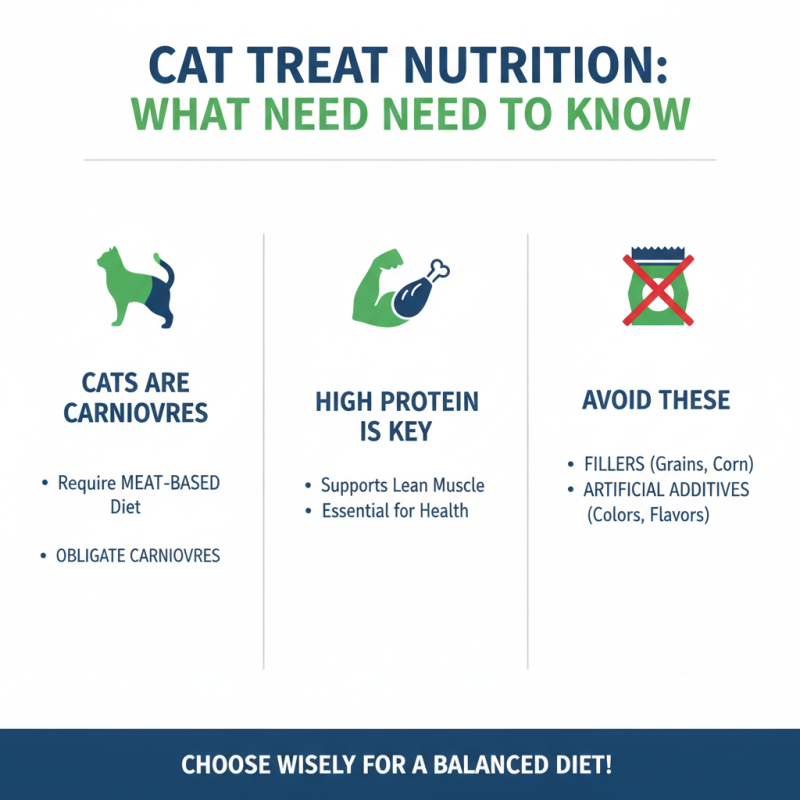
When considering cat treats, nutrition is crucial. Cats are obligate carnivores. Their diet should focus on meat-based ingredients. Some treats on the market contain high protein content, contributing to a balanced diet. However, not all treats meet this standard. Many contain fillers and artificial additives.
A closer look at the nutritional content is essential. Look for treats rich in real meat. Ingredients should be clear and understandable. Some treats may claim high protein but include low-quality sources. Reading labels is vital. A high-fat content can also impact your cat's weight. It's tricky to find treats that satisfy both health and flavor.
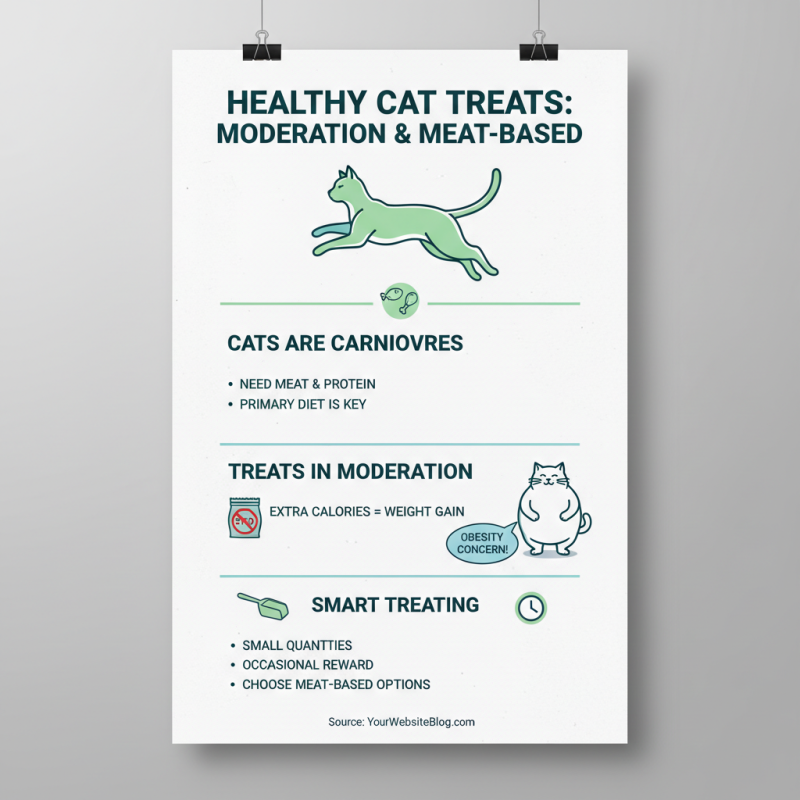
Owners often overlook portion control. Treats should complement a balanced diet, not replace meals. Moderation is key. Too many treats can lead to obesity. Tasty options are tempting, but they may not be the healthiest choice. Regular vet check-ups can help monitor your cat's health. Always be aware of how treats fit into their overall diet.
Key Ingredients in Nutrish Cat Treats and Their Benefits
When considering the health of our feline friends, the ingredients in their treats matter greatly.
Nutrish cat treats often highlight real meat as the primary ingredient. Studies show that cats are obligate carnivores. About 80% of their diet should consist of animal-based proteins. Meat offers essential amino acids, crucial for maintaining muscle health and energy levels.
Another notable ingredient is fish oil. It can provide omega-3 fatty acids, known for supporting skin and coat health. Research indicates that pets consuming omega-3 have better skin conditions.
Additionally, fiber from sources like pumpkin or brown rice can aid in digestion. Vet reports emphasize the importance of fiber for preventing obesity and managing hairballs.
However, not all ingredients may be beneficial for every cat. Some cats are sensitive to grains or certain proteins. A diet too high in treats can lead to weight gain. This could increase the risk of diabetes and other health issues. Owners should consult with their veterinarians to ensure treats fit within their pet's dietary needs. Always read labels, and consider the overall diet your feline friend is receiving.
Comparing Nutrish Cat Treats to Other Popular Cat Treat Brands
When choosing treats for your cat, it’s crucial to compare options. Not all treats are created equal. Some brands focus on high-quality ingredients, while others rely on fillers. Nutrish cat treats often highlight natural ingredients, which can appeal to pet owners. However, some cat treats from other brands may contain artificial additives. These chemicals can be unhealthy for your furry friend.
Texture and flavor also play a role. Cats are finicky eaters. Some may prefer crunchy treats, while others go for soft options. Nutrish treats typically offer a balanced mix, but it’s worth exploring what other brands provide. The taste and texture can change how your cat responds. Sometimes, they might turn their nose up at a particular brand. This variability invites reflection on your cat’s preferences.
Nutrition matters a lot, but so does your cat's enjoyment. A treat that lacks excitement won’t be a favorite, no matter how healthy. Observing your cat’s reactions is essential. Are they excited when you reach for the bag? Or do they look disinterested? Such details can help guide your next purchase. Balancing health and preference isn’t easy, but it’s worth the effort.
Are Nutrish Cat Treats Healthy for My Feline Friend? - Comparing Nutrish Cat Treats to Other Popular Cat Treat Brands
| Treat Brand |
Calories per Treat |
Main Ingredients |
Grain-Free |
Average Rating |
| Brand A |
3 |
Chicken, Fish, Vegetable |
Yes |
4.5 |
| Brand B |
2 |
Lamb, Rice |
No |
3.8 |
| Brand C |
4 |
Fish, Potato |
Yes |
4.7 |
| Brand D |
5 |
Chicken, Corn |
No |
4.1 |
| Brand E |
3 |
Turkey, Peas |
Yes |
4.3 |
Potential Health Risks Associated with Cat Treats
When considering cat treats, potential health risks surface. Not all treats are created equal. Many contain additives that can be harmful. Some treats are high in calories, contributing to obesity. According to the Association for Pet Obesity Prevention, nearly 60% of cats are overweight. This statistic is alarming for pet owners.
Another concern is the presence of artificial ingredients. Many treats contain fillers. These fillers provide little to no nutritional value. They can lead to gastrointestinal issues or allergic reactions. A study by the Journal of Animal Nutrition found that many commercial cat treats lack essential nutrients. Owners often overlook this when selecting treats.
Some cats may develop dental problems from soft treats. While they may seem appealing, they can contribute to tartar buildup. Regular dental check-ups are crucial for overall health. Treats should not replace balanced meals. Owners must reflect on their choices wisely. Making informed decisions can foster healthier habits.
Are Nutrish Cat Treats Healthy for My Feline Friend?
This bar chart illustrates the average nutritional content found in various cat treats. It is important to be aware of these macronutrient ratios to ensure a balanced diet for your feline friend, as excessive amounts of carbohydrates or fat could lead to potential health risks.