Is Dog Food Healthy for Your Pet's Lifespan?
When considering your pet's diet, many owners wonder, is dog food healthy? The quality of dog food directly impacts a pet's overall health and lifespan. Choosing the right food is not just about filling a bowl; it plays a crucial role in your dog's well-being.
Several factors determine the healthiness of dog food. These include the ingredients, nutritional balance, and how well the food meets specific breed and age needs. Many commercial dog foods claim to be healthy but often contain fillers and artificial additives. It's vital to read labels carefully and choose foods with high-quality proteins and natural ingredients. Your dog's health can decline if you overlook these details.
It’s easy to assume that all dog food is the same. However, dogs may react differently to various brands. What suits one dog may not be suitable for another. Owners should observe their pets' reactions and be willing to change foods if necessary. The health effects of poor-quality dog food can lead to issues like obesity and chronic diseases. Investing time in understanding dog food healthy options ensures a longer, happier life for your furry friend.

Nutritional Components of Dog Food and Their Impact on Health
The nutritional quality of dog food plays a crucial role in determining your pet’s longevity. A study published by the Association for Pet Obesity Prevention found that 56% of dogs are overweight or obese. This condition can significantly shorten their lifespan. Fueling your dog with balanced nutrients can mitigate health risks and promote a longer life.
Protein, fat, and carbohydrates are essential components of dog food. High-quality protein supports muscle maintenance and overall health. A report by the American Kennel Club states that protein should comprise about 18-25% of a dog’s daily diet. Healthy fats, including omega-3 and omega-6 fatty acids, help with skin and coat health. The National Research Council emphasizes that proper fat intake can enhance overall wellbeing. Additionally, carbohydrates provide energy, but monitoring their levels is vital; excess carbs may lead to obesity.
It's crucial to analyze ingredients. Some dogs may thrive on grain-free diets, while others do not. This disparity highlights the need for individualized nutritional plans. Not all dog foods meet the same standards. Therefore, understanding labels and researching feeding practices is necessary for making informed choices. Your dog's health and lifespan can depend on these dietary decisions.
Is Dog Food Healthy for Your Pet's Lifespan? - Nutritional Components of Dog Food and Their Impact on Health
| Nutritional Component |
Percentage in Dog Food (%) |
Health Benefits |
Impact on Lifespan |
| Protein |
20-30% |
Muscle development, immune support |
Promotes healthy weight and longevity |
| Fats |
8-15% |
Energy source, skin and coat health |
Supports overall vitality and reduces aging effects |
| Carbohydrates |
30-50% |
Energy, fiber for digestion |
Aids in digestive health, impacts energy levels |
| Vitamins |
Varies |
Overall health, disease prevention |
Boosts immune system, extends healthy lifespan |
| Minerals |
Varies |
Bone health, metabolic function |
Critical for longevity and quality of life |
The Role of Ingredients in Promoting Canine Longevity
When considering canine longevity, ingredient quality in dog food plays a crucial role. A study from the Association of American Feed Control Officials (AAFCO) highlights that high-quality proteins, essential fats, and carbohydrates significantly influence a dog's health. These components contribute to stronger immune systems and improved overall vitality. For instance, omega-3 fatty acids found in fish can reduce inflammation and promote heart health, which is vital for aging dogs.
Using a well-balanced diet can reduce the risk of chronic diseases. Research published in the Journal of the American Veterinary Medical Association (JAVMA) indicates that dogs consuming wholesome ingredients tend to live longer, happier lives. Dogs that received nutrient-dense ingredients showed lower obesity rates, impacting their lifespan positively. However, not all dog food claims are equal. Some brands may market themselves as "natural" while containing fillers and artificial preservatives. Pet owners must scrutinize ingredient lists.
Remember that your dog's dietary needs change with age. Puppies require different nutrients than senior dogs. Regular consultations with veterinarians can guide pet owners in making the best dietary choices. Focusing on the quality of ingredients not only aids in managing weight but also promotes better skin and coat health. Understanding how ingredients work can lead to a happier and healthier pet.
Impact of Dog Food Ingredients on Canine Longevity
Comparing Commercial vs. Homemade Dog Food for Lifespan Benefits
When considering dog food, the debate often centers on commercial versus homemade options.
Commercial dog food is convenient and easily accessible. It is formulated to meet nutritional standards.
However, the quality of ingredients can vary significantly. Some brands use fillers and preservatives.
This raises questions about the long-term health effects on your pet.
Homemade dog food offers a tailored approach. You can control every ingredient that goes into each meal.
Fresh vegetables, lean meats, and whole grains are often healthier choices.
But creating balanced meals requires knowledge and effort.
It is crucial to ensure that your pet gets all the necessary nutrients. A poorly balanced diet can lead to health issues.
Making homemade dog food involves trial and error.
It can be hard to find recipes that suit all dogs. Some pets might have allergies or sensitivities.
Consulting a veterinarian or pet nutritionist is wise. They can help create a meal plan that promotes your dog's longevity.
This personalized approach can lead to better health outcomes if done correctly.
Understanding Special Dietary Needs for Different Dog Breeds
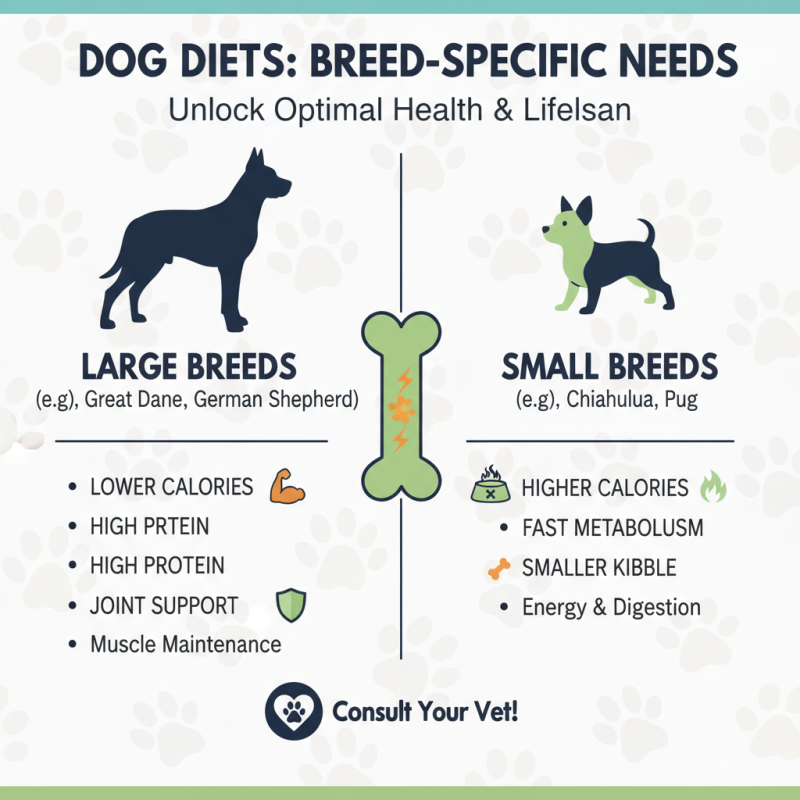
Understanding the special dietary needs of dogs can greatly impact their health and lifespan. Each breed has unique requirements based on size, age, and health conditions. For instance, large breeds tend to have different nutritional needs compared to smaller ones. They often require diets lower in calories but rich in protein to maintain muscle mass. Conversely, smaller breeds may need higher calorie intake due to their faster metabolism.
It's essential to consider specific needs like allergies or sensitivities. Some dogs may react poorly to certain grains or proteins. Monitoring their reactions can help create a more suitable diet. Supplements might also play a role in addressing nutritional gaps. However, balance is key. Over-supplementing can lead to other health issues.
When choosing food, look for options backed by research. Consulting with a veterinarian ensures dietary decisions align with your pet’s specific health needs. It’s not always a one-size-fits-all approach. Some dogs may thrive on a homemade diet, while others do better with commercial diets. Understanding your dog's unique requirements can lead to a longer and healthier life.
Common Myths About Dog Food and Pet Health Debunked
Many pet owners believe that all dog food is created equal. This misconception can significantly impact a dog's health and lifespan. For example, a study published in the Journal of Animal Science found that dogs fed high-quality, balanced diets lived significantly longer than those on low-quality kibble. Poor nutrition can lead to obesity, diabetes, and joint issues, which can shorten a dog's life.
Another common myth is that grain-free diets are the healthiest option. A report from the Food and Drug Administration highlighted potential links between grain-free diets and heart disease in dogs. This raises concerns about the assumption that avoiding grains is universally beneficial. Every dog has unique dietary needs based on age, breed, and health conditions. Therefore, one-size-fits-all solutions can be misleading.
Lastly, some pet owners think that feeding table scraps is harmless. However, many human foods can be toxic to dogs, such as chocolate and grapes. Ensuring a balanced diet tailored to your pet's needs is vital. Relying on factual data and professional advice can help pet owners make informed decisions about their dog's nutrition and overall health.