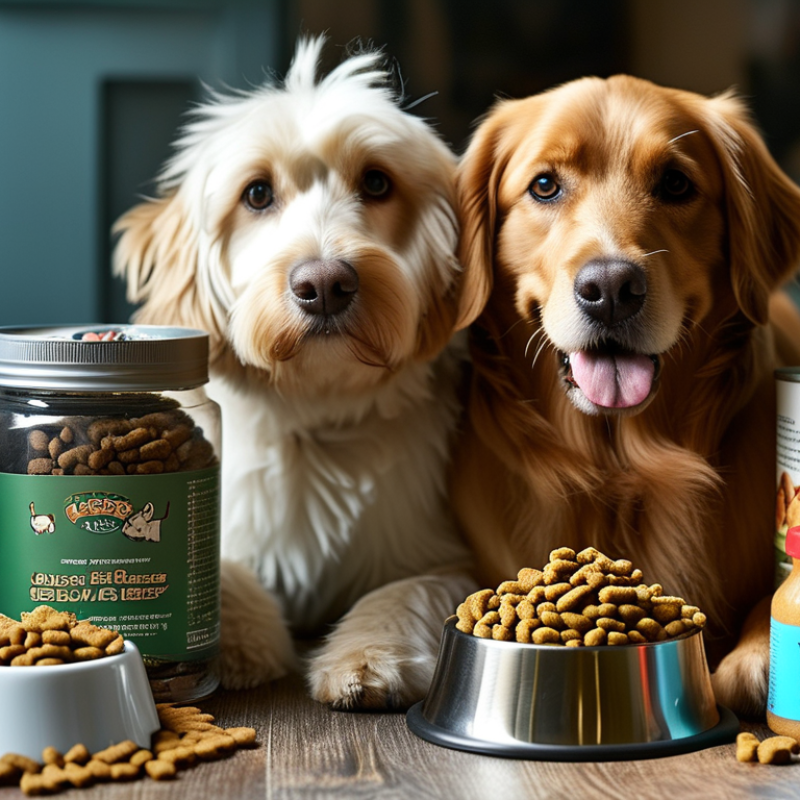
What is Dry Dog Food and How to Choose the Best Option?
Choosing the right dry dog food can feel overwhelming. With countless brands and types available, pet owners need reliable guidance. Dry dog food is convenient and often more affordable than wet options. It helps maintain dental health and is easy to store.
When selecting dry dog food, consider your dog’s age, size, and dietary needs. Allergies or sensitivities may also play a crucial role in your choice. Reading labels can be daunting, but focusing on high-quality ingredients is essential. Be aware of nutritional balance to support your dog’s overall well-being.
While it’s tempting to follow popular trends, reflecting on your dog’s unique needs is key. Not every brand works for every pet. Sometimes, what seems best may not be ideal. Investing time in research is necessary for making an informed decision. Ultimately, the health and happiness of your dog depend on the quality of the food you choose.
Definition of Dry Dog Food and Its Components
Dry dog food, often referred to as kibble, is a popular choice among dog owners. It primarily consists of grains, protein sources, and essential vitamins and minerals. Ingredients may include corn, chicken meal, and vegetable by-products. According to the Association of American Feed Control Officials (AAFCO), a balanced diet for dogs should contain protein, fats, carbohydrates, vitamins, and minerals in specific proportions. This ensures dogs receive the necessary nutrients for optimal health.
When selecting dry dog food, it's essential to consider the specific components. Protein should be high-quality. Animal-based proteins tend to be more digestible than plant sources. Research published in the Journal of Animal Science indicates that dogs thrive on diets that emphasize meat as a primary ingredient. Furthermore, the carbohydrate sources, like brown rice or sweet potatoes, should offer digestible energy. It's crucial to be cautious of fillers, which don’t provide nutritional value and can impact a dog’s health over time.
Monitoring your dog's response to their food is equally important. Some dogs may develop allergies or sensitivities to certain ingredients. Regular veterinary visits can help assess any adverse reactions. A diet that seems perfect for one dog may not be ideal for another, highlighting the need for a tailored approach. Understanding these components can guide pet owners in making informed decisions about their dog's nutrition, ultimately enhancing their overall well-being.
What is Dry Dog Food and How to Choose the Best Option?
| Component |
Description |
Importance |
| Proteins |
Essential for muscle development and overall health |
High |
| Fats |
Source of energy and supports skin and coat health |
Medium |
| Carbohydrates |
Provides energy and supports digestive health |
Low |
| Vitamins |
Necessary for various bodily functions and immune support |
High |
| Minerals |
Supports bone health and metabolic processes |
Medium |
Benefits of Feeding Dry Dog Food to Your Pet
Feeding your dog dry food can offer several important benefits. One of the primary advantages is dental health. Dry dog food can help reduce plaque and tartar buildup. This can lead to fresher breath and healthier gums. Chewing kibble scrubs the teeth. Many pet owners overlook this, yet it plays a crucial role in long-term dental care.
Another benefit is convenience. Dry dog food is easy to store and measure. It doesn't require refrigeration, making it ideal for busy pet owners. You can simply scoop the desired amount each day. Additionally, dry food typically has a longer shelf life than wet options. However, it’s important to choose a balanced formula that meets your pet’s nutritional needs. Some brands may have varying ingredients that aren't suitable for all dogs.
Lastly, cost-effectiveness is a factor. Dry food is generally less expensive than wet food on a per-serving basis. However, it's essential to consider quality over price. Cheap options may compromise on essential nutrients. Sometimes, you might find yourself switching brands frequently. Reflecting on what works best for your dog's health is crucial. Each dog is unique, and what works for one may not work for another.
Factors to Consider When Choosing Dry Dog Food
Choosing the right dry dog food is crucial for your pet's health. Several factors should guide this decision. For instance, look for a food that provides balanced nutrition. A study by the Association of American Feed Control Officials (AAFCO) highlights the importance of protein quality and digestibility in dog food. Ingredients like chicken, beef, or fish as the first ingredient indicate high-quality protein sources.
Another consideration is the life stage of your dog. Puppies, adults, and seniors have different nutritional needs. A report from the Pet Food Institute indicates that 70% of dog owners are unaware of these differences. This lack of knowledge can lead to feeding inappropriate food, jeopardizing the dog's health. Additionally, consider any specific dietary needs or allergies. For example, dogs prone to grain sensitivities may require grain-free options. Always consult with a veterinarian to tailor the diet to your pet's specific needs.
Lastly, keep an eye on the ingredient list. Avoid foods with excessive fillers. Ingredients such as corn and soy can provide lower nutritional value. A recent survey shows that 60% of pet owners do not fully understand ingredient labels. Educating yourself on what to look for can make a substantial difference in your dog’s overall well-being. Remember, choosing the right dry dog food is a vital step toward a happy, healthy life for your pet.
Evaluating Ingredients and Nutritional Content
When evaluating dry dog food, understanding the ingredients is crucial. Look for high-quality protein sources like chicken, lamb, or fish. These should be listed as the first ingredient on the package. Avoid foods where meat is a by-product or vague terms like "meat meal." This indicates lower quality and less nutritional value.
Nutritional content is another important aspect. A balanced dog food should contain fats, carbohydrates, and fiber. Essential fatty acids help maintain a shiny coat and healthy skin. Meanwhile, whole grains or vegetables provide necessary carbohydrates. Opt for foods with added vitamins and minerals to support overall health. However, be cautious; not all additives are beneficial. Some artificial preservatives and flavorings may harm long-term health.
Every dog has unique needs based on age, size, and activity level. What works for one dog may not be suitable for another. Pay attention to how your dog reacts to a specific brand or formula. If they show signs of allergies, digestive issues, or a lack of energy, it may be time to reassess your choice. Regularly consult with a veterinarian to ensure your dog is thriving on their diet.
Dry Dog Food Nutritional Content Comparison
Top Brands and Recommendations for Dry Dog Food
When choosing dry dog food, it’s important to consider a few key factors. Look for options rich in protein, as this supports muscle health. Ingredients should be of high quality, like real meat and whole grains. Avoid those with excessive fillers or artificial additives. Some dogs may have specific dietary needs. Discuss with a vet before deciding.
Popular brands often emphasize natural ingredients. These options frequently include fruits and vegetables, adding vitamins and antioxidants. Dogs with allergies might benefit from grain-free blends. Reading ingredient lists allows pet owners to make informed choices. Keep an eye on your dog’s reaction to new food. It can take time to adjust. Monitor for any digestive issues that arise.
Finding the best dry dog food involves research and trial. It’s not always simple, and what works for one dog may not work for another. Your dog's energy levels and coat condition can signal if their diet is right. Taking notes over time can help refine choices. Consult pet care specialists to enhance your understanding of dog nutrition. Building a solid knowledge base leads to better decisions.