How to Choose the Best Nutrish Cat Food?
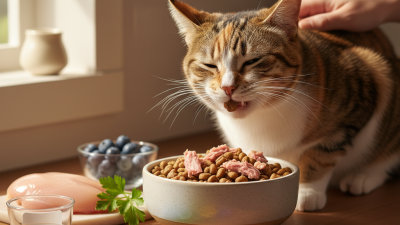
Choosing the best nutrish cat food requires more than trusting attractive packaging or familiar branding. A healthy-looking cat can still have unsuitable calorie, protein, or mineral needs. Age, activity, body condition, allergies, and existing medical issues all matter.
The American Pet Products Association reported approximately 49.9 million U.S. households owned cats in 2024. Its 2024 industry figures also placed total U.S. pet spending near $152 billion. These numbers reflect strong demand, but spending does not guarantee better nutrition. The Food and Drug Administration advises owners to examine ingredient information, nutritional adequacy statements, and feeding directions carefully. AAFCO standards also help determine whether a food is complete and balanced for a specific life stage.
Dr. Cailin Heinze, a board-certified veterinary nutritionist at Tufts University, has stated, “There is no one best diet for all pets.” That principle should guide every nutrish cat food comparison. Kittens may need higher energy density, while indoor adults may need tighter calorie control. Senior cats can require closer monitoring, especially when kidney or dental concerns appear.
Look beyond the first listed ingredient. Check guaranteed analysis, feeding amounts, manufacturing details, and the intended life stage. A shiny salmon image proves very little. My own review process would still leave room for caution, because labels cannot replace veterinary assessment. Even reputable products may not suit every cat. The best choice is the formula your cat tolerates well, maintains a healthy body condition on, and receives professional support for when needs change.

Define Your Cat’s Life Stage Under AAFCO Nutrient Profiles
How to Choose the Best Nutrish Cat Food?
Your cat’s life stage should guide every food choice. AAFCO nutrient profiles recognize growth and reproduction, adult maintenance, and all life stages. A ten-week-old kitten needs nutrients for bones, muscles, and rapid development. An adult cat needs balanced nutrition without excessive calories. Pregnant or nursing cats require the growth and reproduction profile. Check the package for a statement saying the food is “complete and balanced” for the correct life stage.
Look closely. Adult maintenance food may not meet a kitten’s needs. An all-life-stages formula can support kittens and adults, but portions still differ. A growing kitten may need several small meals daily, while an eight-year-old indoor cat may gain weight from the same serving. Senior cats do not have a separate AAFCO profile, so age alone cannot determine the best choice. Body condition, activity, dental health, and medical history matter too.
Labels help, but they do not tell the whole story. Ingredients, calorie density, feeding directions, and feeding trials deserve attention. I once treated “all life stages” as automatically ideal for every cat. That shortcut can mislead. A cat with kidney disease, allergies, or unexplained weight loss needs veterinary guidance. Even healthy cats should be monitored: feel the ribs, watch stool changes, and weigh portions. Small adjustments may reveal more than a colorful package.
Compare Moisture, Fat, and Calories Using the 4-4-9 Energy Method
Choosing the best cat food requires more than reading the largest protein number. I compare moisture, fat, and calories together. The 4-4-9 method offers a practical estimate. Protein provides about four calories per gram. Carbohydrates provide four. Fat provides nine. Moisture provides no calories, but it changes nutrient concentration.
For example, imagine a food with 78% moisture, 10% protein, 5% fat, 1% fiber, and 1.5% ash. Carbohydrates by difference equal about 4.5%. Per 100 grams, the estimate becomes 40 calories from protein, 45 from fat, and 18 from carbohydrates. That produces roughly 103 calories. The calculation is not laboratory-perfect. Guaranteed analysis often lists minimum protein and fat, not exact amounts.
Dry matter conversion makes comparisons fairer. With 78% moisture, only 22% remains after water is removed. Divide each nutrient percentage by 22, then multiply by 100. The 5% fat becomes about 22.7% on a dry-matter basis. That sounds much higher, and it explains why wet foods can appear low in fat. I once compared foods using as-fed numbers alone. The result was misleading.
Check the stated calorie content when available. It may differ from a 4-4-9 estimate because digestion, fiber, and testing methods affect energy values. Watch the bowl, too. A calorie-dense food can look small beside a watery recipe. Your cat’s weight, age, activity, and medical history still matter. Ask a veterinarian when appetite or body condition changes.
How to Choose the Best Nutrish Cat Food?
Compare moisture, fat, and estimated energy density before choosing a cat food format.
Moisture is shown as a percentage of the food as fed, while fat is shown as crude fat
on an as-fed basis.
Estimated calories are calculated with the 4-4-9 energy method:
protein and carbohydrates provide 4 kcal per gram, while fat provides 9 kcal per gram.
The calculations use representative analytical values for each food format and are intended
for comparison rather than as a replacement for the product label or veterinary advice.
Match Daily Calories to RER: 70 × Body Weight(kg)^0.75
Choosing cat food should begin with energy, not colorful packaging. RER means resting energy requirement. Use this formula: 70 × body weight (kg)^0.75. For example, a 4 kg cat has an RER of about 198 calories daily. This number supports basic body functions at rest. It is not always the final feeding target.
An indoor, neutered adult may need roughly 1.2 to 1.4 times RER. A growing kitten, pregnant cat, or highly active cat may need more. Health conditions can change the calculation significantly. Check the food label for calories per can or cup, then divide the daily target accordingly. A kitchen scale helps. Eyeballing portions often fails.
Watch the cat, too. A visible waist and easily felt ribs usually suggest better control. Weigh the cat every two to four weeks. Adjust slowly when body condition changes. I have seen owners trust the formula too much, although it is only an estimate. Activity, age, treats, and medical history can shift real needs. A veterinarian should review persistent weight loss, weight gain, or unusual hunger before you change calories sharply. Mistakes happen. Careful observation matters.
Verify Taurine, Safety Standards, and Your Veterinarian’s Guidance
How to Choose the Best Cat Food
A reliable choice begins with a clear nutrition adequacy statement. Look for food labeled complete and balanced for your cat’s life stage. Taurine deserves special attention because cats need it for heart, vision, and normal body function. Check that taurine appears in the ingredient or nutrient information. Its exact amount may not always be printed, which can make comparison difficult.
Taurine deserves special attention because cats need it for heart, vision, and normal body function.
Safety matters beyond the front label. Choose products with a visible expiry date, traceable lot code, and clear manufacturer contact details. Look for companies that describe quality testing, ingredient controls, and contamination prevention. No label is perfect. Packaging can also change, so review it regularly rather than trusting memory.
Tips: Ask your veterinarian about taurine needs, especially for kittens, senior cats, or cats with heart concerns. Share a photo of the label during the appointment. A veterinarian can assess calories, allergies, kidney health, and weight together. Avoid changing food suddenly; a slow transition may reduce vomiting or diarrhea. Keep the package sealed and store it in a cool, dry place. I sometimes focus too much on ingredients and overlook portion size. That is a useful mistake to reconsider. If your cat refuses the food, loses weight, or develops persistent digestive problems, seek professional advice rather than guessing.