Top 5 Tips for Choosing Nutrish Cat Food for Your Pet?
Choosing the right cat food is crucial for your feline's health. Nutrish cat food stands out due to its quality ingredients and balanced nutrition. As pet owners, we want the best for our pets, but decisions can be overwhelming.
There are countless brands available, but Nutrish cat food offers unique benefits. It emphasizes real meat as the primary ingredient and avoids artificial additives. This makes it an appealing choice for many cat owners. However, it's essential to consider your cat's individual needs.
Some cats may have allergies or specific dietary restrictions. Understand your cat's preferences, as not all will enjoy the same flavor. While Nutrish cat food could be a fantastic choice, it might not work for every cat. Being attentive to your pet's reactions is key. Sometimes, what seems perfect at first may not be right in the long run. Testing the waters while observing your pet is a vital part of the process.
Understanding Nutritional Needs of Cats for Optimal Health
Understanding the nutritional needs of cats is vital for their health. Cats are obligate carnivores. They require a diet high in protein. Proteins support muscle health and overall energy levels. Look for food that lists meat as the first ingredient. This ensures your cat receives quality protein. Cats also need specific vitamins like taurine. This nutrient is crucial for heart and eye health.
Fats are another essential part of a cat's diet. Healthy fats provide energy and support skin and coat health. However, not all fats are equal. Some can lead to weight gain or health issues. It’s important to find a balance. Cats also require hydration, as they often do not drink enough water. Including wet food can help improve their fluid intake.
While you may find appealing packaging, it doesn't always indicate quality nutrition. Reading labels carefully is essential. Consider consulting a vet when unsure. Cats may have unique dietary needs based on age or health. Every cat is different. Remember to observe how your cat reacts to new food. Changes in behavior or health can signal issues. Take your time to assess what works best for your pet.
Top 5 Tips for Choosing Nutrish Cat Food for Your Pet
| Tip |
Description |
Nutritional Focus |
| 1. Assess Dietary Needs |
Understand your cat's age, weight, and health condition to select the most appropriate food. |
Balanced Protein & Fat |
| 2. Look for Quality Ingredients |
Choose foods with real meat as the primary ingredient without fillers. |
High-Quality Protein |
| 3. Check for Grain-Free Options |
Consider grain-free formulas if your cat has sensitivities or allergies to grains. |
Digestive Health |
| 4. Evaluate AAFCO Approval |
Ensure the cat food meets the standards set by AAFCO for complete and balanced nutrition. |
Nutritional Integrity |
| 5. Consider Specialized Formulas |
Look for formulas designed for specific life stages or health conditions. |
Tailored Nutrition |
Evaluating Ingredients: What to Look for in Nutrish Cat Food
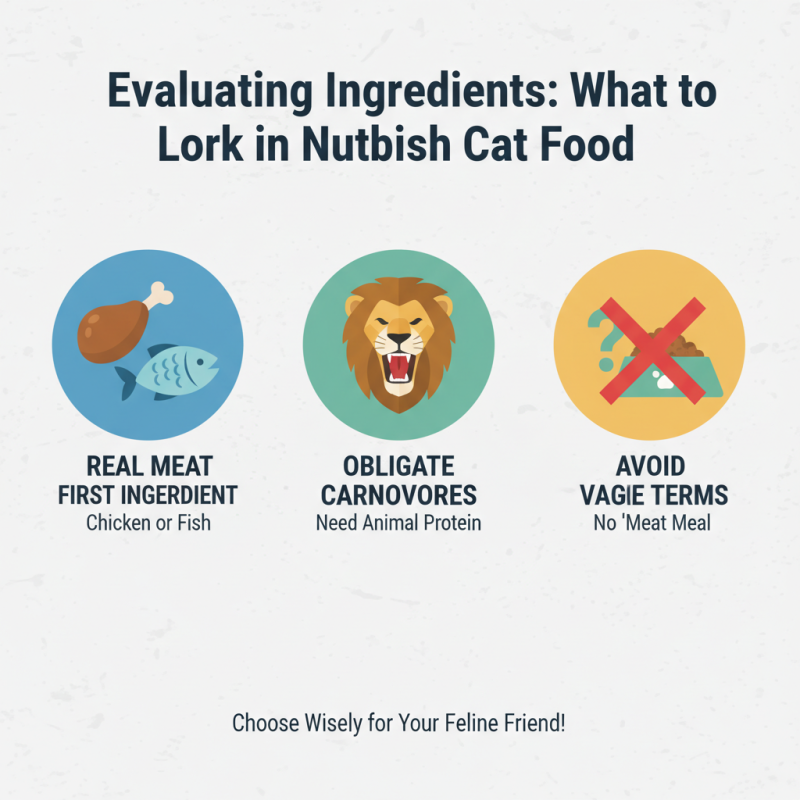
When choosing cat food, evaluating ingredients is crucial. Look for real meat as the first ingredient. Cats are obligate carnivores. They need protein from animal sources to thrive. Check for a clear source of meat, like chicken or fish. Avoid vague terms like "meat meal."
Another important aspect is the presence of whole grains or vegetables. Ingredients like brown rice or peas provide essential nutrients. However, keep an eye on the carbohydrate content. Cats don’t need too many carbs. This could lead to obesity and health issues.
Lastly, consider added vitamins and minerals. These enhance the nutritional profile of the food. However, some products may rely too heavily on synthetic additives. It’s beneficial to strike a balance between natural and supplemented nutrients. Pay attention to labels and do your research.
Assessing Age and Activity Level in Choosing Cat Food
When selecting cat food, age and activity level are crucial factors. Kittens require higher protein and fat levels for growth. They need food that supports their rapid development. It is essential to choose a formula tailored for their unique needs. This often means looking for nutrient-rich options that provide the right balance.
Adult cats have different nutritional requirements. Their food should maintain energy without excessive calories. A balanced diet is key to keeping them healthy and active. Factors like weight and lifestyle also matter. An indoor cat may need fewer calories comparing to an active outdoor cat.
Senior cats often require softer food. They may have dental issues or digestive sensitivities. Foods with easy-to-digest ingredients become important. Additionally, assessing a senior cat's health is vital. Changes in behavior or appetite can signal new dietary needs. Remember, the right food varies for each cat. Regular assessments are crucial.
Considering Allergies and Sensitivities in Cat Food Selection
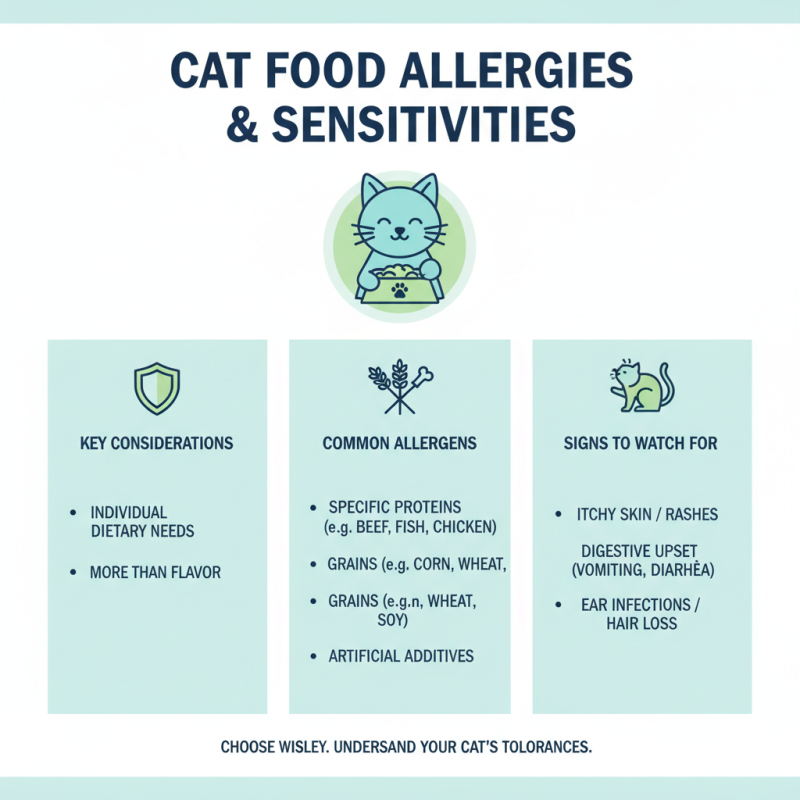
When selecting cat food, it's essential to consider allergies and sensitivities. Many cats have specific dietary needs. Common allergens include certain proteins, grains, and artificial additives. It's not just about choosing the right flavor; it’s about understanding what your cat can tolerate.
Start with a careful observation of your cat. Note any signs of discomfort, such as itching or digestive issues. These may indicate a sensitivity to specific ingredients. Reading the ingredient list is crucial. Look for quality sources of protein and avoid fillers. If your cat has known allergies, consult with a vet for personalized advice.
Sometimes, it’s tempting to choose food based on marketing rather than ingredients. This can lead to frustration and health problems down the road. Experimenting with different options may be necessary. Pay close attention to your cat’s response to new foods. Patience and careful monitoring will help in finding the right fit.
Reading Labels: Decoding Nutritional Information on Cat Food Packaging
Reading labels is crucial when choosing the right cat food. Nutritional information can be overwhelming. Many pet owners often skip this step, leading to poor health outcomes. A recent study highlighted that around 60% of pet owners do not understand nutritional labels fully. This lack of knowledge may result in misinformed choices.
When examining the packaging, focus on the first few ingredients. They generally indicate the primary components of the food. High-quality proteins should top the list, such as chicken or fish. However, watch out for vague terms like "meat by-products." They might suggest lower-quality sources. According to the Pet Food Industry report, about 75% of consumers overlook this critical detail.
Additionally, be cautious about fillers. Ingredients like corn and soy can provide empty calories. Your cat needs nutrition, not just bulk. Surveys indicate that 50% of cat owners unknowingly feed their pets food high in fillers. This can contribute to obesity and other health issues. Take the time to scrutinize every label. Your cat's well-being depends on it.
Top 5 Nutritional Factors in Cat Food