How to Choose the Best Wet Dog Food for Your Furry Friend?
Choosing the right wet dog food can be overwhelming. With countless options available, you may wonder where to start. According to Dr. Jennifer Hayes, a renowned veterinary nutritionist, “The right wet dog food can transform your pet's health.” This advice holds weight as nutrition plays a vital role in your furry friend's well-being.
Wet dog food provides moisture, which benefits hydration. It can help picky eaters find a flavorful meal. But not all wet dog food is created equal. Some products may contain fillers and artificial ingredients. Understanding labels is crucial. High-quality ingredients should be your priority. What you feed your dog impacts their energy and vitality.
Consider your dog's specific needs. Age, size, and health conditions matter. Each pet is unique, and what works for one may not suit another. It's essential to remain open and flexible in your choices. Reflect on your dog's preferences and nutritional requirements. This journey requires patience and thoughtful consideration.
Understanding Nutritional Needs for Your Dog
When it comes to picking wet dog food, understanding your dog’s nutritional needs is key. Dogs require a balanced diet to stay healthy. They thrive on proteins, fats, vitamins, and minerals. Each of these nutrients serves a specific purpose. Protein supports muscle development. Healthy fats are vital for energy and skin health.
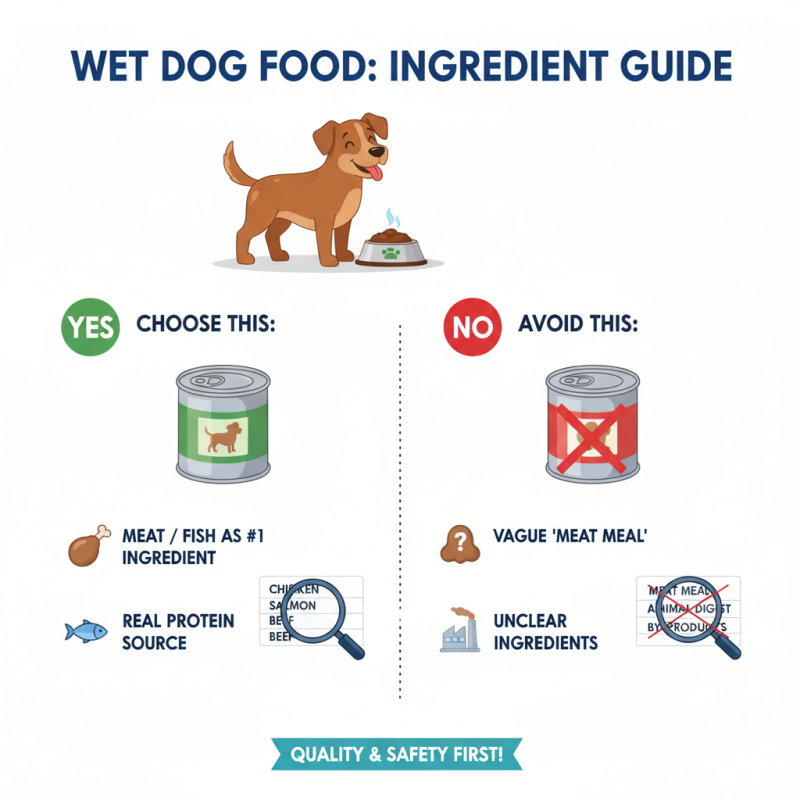
Consider your dog's age, size, and breed. Puppies need more calories and nutrients than older dogs. Smaller breeds might require different portions compared to larger ones. Be mindful of ingredient lists. Look for real meat as the primary ingredient. Avoid foods with fillers or artificial additives.
While trying to choose the best options, it’s common to feel overwhelmed. There’s a lot of information out there. Some choices may not work for your dog. Their tummy might be sensitive. Always listen to your dog’s reactions. Monitoring their health and behavior after meals can guide your decisions. Embracing a little trial and error can lead to discovering what makes your furry friend happy and healthy.
Types of Wet Dog Food Available in the Market
When selecting wet dog food, it's crucial to understand the various types available. The market offers an array of options, each designed for specific canine needs. Common types include pate, chunks in gravy, and stew. According to industry reports, 70% of pet owners prefer wet food because it boosts hydration and palatability. These types often have high protein content, which can be beneficial for active dogs.
A pet owner should consider ingredients carefully. Some wet foods are grain-free, catering to dogs with allergies or sensitivities. Others contain whole meats, vegetables, and fruits. It's essential to read labels thoroughly. Lower-quality wet food may include fillers or artificial additives, which could harm your dog's health in the long run.
Tip: Always consult with a veterinarian before switching your dog's diet. Each dog's nutritional needs can vary significantly based on age, size, and health conditions.
When exploring options, keep an eye on the texture and aroma of the food. Dogs can be picky about what they eat. A wet food that seems appealing might not be the best choice if your dog refuses it. Finding the right balance between quality and appeal is important for your furry friend’s happiness.
Reading and Interpreting Dog Food Labels
Understanding dog food labels can feel overwhelming. However, this knowledge is crucial for selecting the best wet dog food. A study from the Association of American Feed Control Officials (AAFCO) indicates that proper label reading ensures nutritional adequacy. Look for ingredients listed by weight. Meat should be one of the first few items.
When examining labels, be cautious with terms like "natural" or "premium." These terms are not strictly regulated. A report from the Pet Food Institute highlights that many consumers are misled by marketing claims. Brands may use appealing words but often lack significant quality differences. This can lead to confusion for pet owners.
Tips: Always check for AAFCO statements. They indicate if the food meets standards. Look for a specified life stage – puppy, adult, or senior – to match your dog's needs. Investigate the protein sources carefully. Quality matters more than quantity. Remember, not all labels tell the full story. Some seemingly nutritious options may lack essential vitamins and minerals. Don't rush your decision-making process. Consider what truly benefits your furry friend.
How to Choose the Best Wet Dog Food for Your Furry Friend? - Reading and Interpreting Dog Food Labels
| Nutrient |
Recommended Daily Amount |
Common Sources |
Benefits |
| Protein |
18-25% of total calories |
Chicken, Beef, Fish |
Supports muscle development and energy |
| Fat |
8-15% of total calories |
Fish Oil, Chicken Fat |
Provides energy and supports skin health |
| Fiber |
2-5% of total calories |
Peas, Carrots, Brown Rice |
Aids in digestion and regulates bowel movements |
| Carbohydrates |
30-50% of total calories |
Potatoes, Barley, Oats |
Provides energy and aids in nutrient absorption |
| Vitamins & Minerals |
Varies by formulation |
Various fruits and vegetables |
Supports overall health and immune function |
Considering Your Dog's Specific Health Conditions
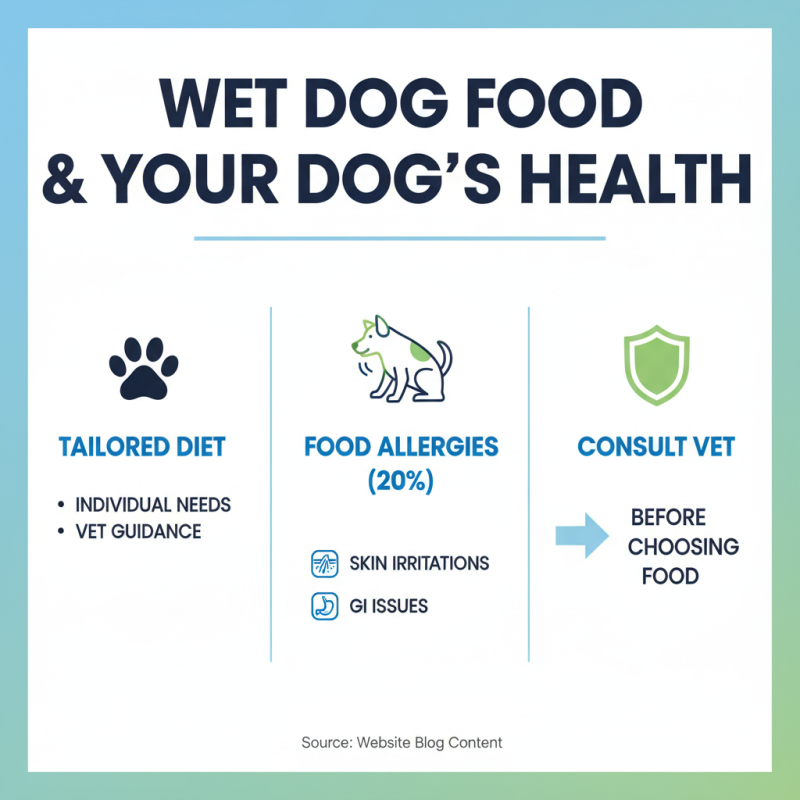
When selecting wet dog food, considering your dog's specific health conditions is crucial. Many dogs have unique dietary needs. For example, approximately 20% of dogs suffer from food allergies. These allergies can manifest in various ways, including skin irritations and gastrointestinal issues. Consulting your veterinarian about your dog’s specific allergies is vital before deciding on food.
Dogs with kidney disease require foods low in phosphorus and protein. Approximately 1 in 10 dogs will experience kidney issues at some point in their lives. A wet food high in moisture content can also help keep them hydrated, which is essential for overall health. However, some wet foods may not meet these requirements. This makes it important to read labels carefully.
Additionally, dogs with diabetes need high-fiber, low-carb diets. A study found that about 5-10% of dogs have diabetes. Choosing the right wet food can control blood sugar levels. Look for ingredients like sweet potatoes or pumpkin, which provide fiber without spiking blood sugar. Balancing your dog’s health needs with their preferences can be challenging, but prioritizing health is key.