How to Choose the Best Real Chicken Dog Food for Your Pet?
Choosing the right dog food is essential for your pet’s health. One popular option is real chicken dog food. According to the Association of American Feed Control Officials (AAFCO), protein sources like real chicken are crucial for a dog’s diet. They promote muscle development and overall well-being.
Dr. Emily Johnson, a leading pet nutritionist, emphasizes the importance of quality in dog food. She states, "Dogs thrive on diets rich in real animal protein." This highlights the necessity of selecting food with real chicken as a primary ingredient. Quality ingredients can directly influence your dog’s coat condition and energy levels.
However, not all products labeled as real chicken dog food meet high standards. Some may contain fillers or low-quality ingredients. It can be confusing for pet owners. Always check product labels and research brands. You want to ensure you're providing your dog with nutrition they truly deserve.
Understanding Nutritional Needs of Dogs
Understanding the nutritional needs of dogs is essential for choosing the best real chicken dog food. Dogs are omnivores, but they thrive on protein-rich diets. Real chicken serves as a fantastic protein source. It contains essential amino acids that support muscle development and overall health.
Beyond protein, dogs require fats, carbohydrates, vitamins, and minerals. Fats provide energy and aid in nutrient absorption. Healthy carbohydrates, like sweet potatoes, offer sustained energy. Vitamins and minerals are crucial for various bodily functions. They support immune health and bone strength.
Not all dogs have the same dietary needs. Factors like age, breed, and activity level matter. A highly active dog may require more calories than a senior dog. Additionally, individual health conditions require attention. It's vital to consult a vet about specific dietary requirements. Balancing protein, fats, and carbs can be tricky, but it’s key to a happy, healthy pup.
Understanding Nutritional Needs of Dogs
Identifying High-Quality Ingredients in Chicken Dog Food
Choosing the right chicken dog food involves closely examining the ingredients. Look for real chicken as the first ingredient. This ensures high protein content that supports muscle growth. Whole pieces of chicken are preferable to by-products. By-products can be low in quality.
Additionally, consider the presence of whole grains and vegetables. They provide essential nutrients and fiber. Ingredients like brown rice or sweet potatoes are excellent choices. Avoid foods with fillers, artificial flavors, or colors. They don't provide nutritional value for your pet.
Always check for transparency in the ingredient list. Brands should disclose where their chicken comes from. If not, it raises questions about quality and safety. Trust your instincts. If something seems off, it often is. A little research goes a long way in ensuring your pet’s health.
Evaluating Protein Sources and Their Benefits
Selecting the right protein source is crucial when choosing real chicken dog food. Chicken is a popular protein option because it is highly digestible and packed with essential amino acids. A report by the Association of American Feed Control Officials states that animal protein should be the primary ingredient in pet food for optimal health. However, not all chicken sources are created equal. It's essential to evaluate whether the chicken is whole, meal, or by-product, as these variations have different nutritional profiles.
Whole chicken offers moisture and fat content, which provides energy. In contrast, chicken meal is a concentrated form, containing more protein in less volume. For instance, chicken meal typically contains about 70% protein, compared to only 22% in whole chicken. Nevertheless, be wary of the quality; chicken by-products can include lower-grade materials that may not provide the same nutritional benefits. It’s essential to understand the sourcing and processing methods of these ingredients, as they impact your pet’s health significantly.
Many studies indicate that pets thrive on diets rich in appropriate protein sources. A recent study published in the Journal of Animal Science highlighted a correlation between high-quality protein and improved dog cognitive functions. Understanding these sources empowers pet owners to make informed decisions. However, reflecting on your dog's unique needs and potential food sensitivities is also necessary. Balancing protein quality with your dog's health and lifestyle is the key to choosing the best food.
Comparing Brands and Price Points for Value
Choosing the right real chicken dog food involves evaluating both brands and price points. The pet food market is highly competitive, and various options cater to different budgets. A recent industry report reveals that premium dog food brands have gained popularity, accounting for about 30% of the market share. These brands often use high-quality ingredients, which can justify their higher price tags. However, pet owners should also scrutinize the nutritional labels for value.
Price does not always equate to quality. Interestingly, some mid-range dog foods offer comparable nutrition benefits. According to studies, some budget-friendly options boast real chicken as a primary ingredient. It’s essential to balance quality with cost. Analyze the protein content and the presence of fillers. Not all expensive options are better, and occasionally, cheaper foods may suffice for a pet's health.
Evaluating your dog's specific dietary needs is critical. Each pet is unique, with different health requirements. Consider consulting a vet for personalized advice. This can help prevent investments in unsuitable products. Variation in ingredient sourcing across brands can affect both consistency and quality. Noticing changes in your dog’s health after switching foods can guide future decisions. Remember, a thoughtful approach will lead to better outcomes for your pet.
Recognizing Allergies and Dietary Restrictions in Dogs
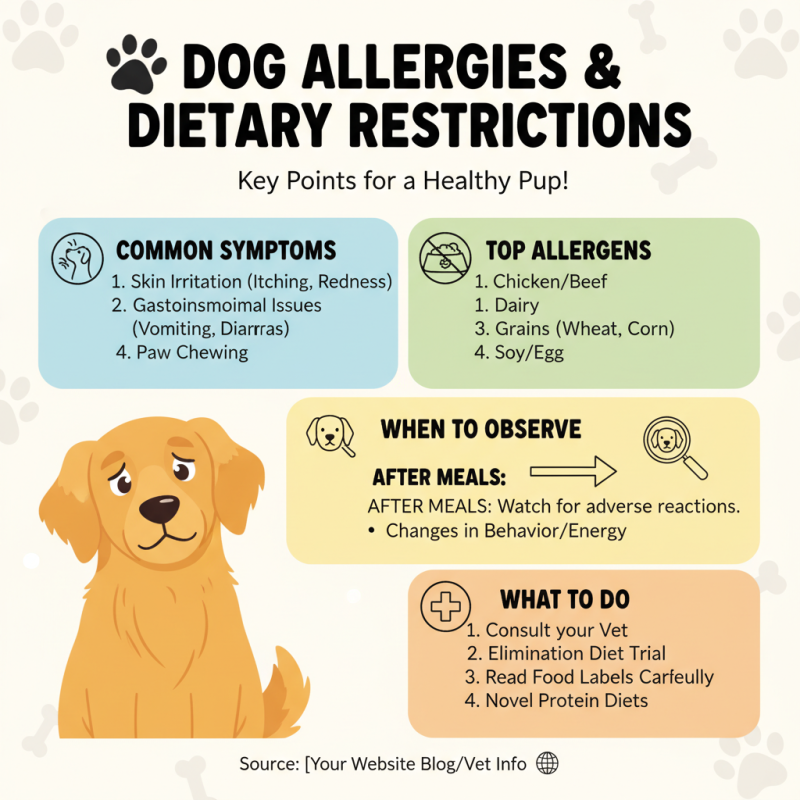
Recognizing allergies and dietary restrictions in dogs is essential for their health. Many dogs suffer from food allergies that can lead to skin irritations, gastrointestinal issues, and discomfort. Common allergens include chicken, beef, dairy, and grains. Observing your dog’s behavior after eating is crucial. Any signs of itching or vomiting could indicate a reaction.
When choosing chicken dog food, consider your pet's history. A food diary can help track any adverse reactions. Look for limited ingredient diets that use high-quality protein sources. These diets often eliminate common allergens, making them safer for sensitive pups. If your dog has a specific dietary restriction, involving a vet is a wise choice. They can provide guidance and help identify safe ingredients.
Transitions to new foods should be gradual. Mixing the old and new food allows your dog’s digestive system to adapt. Monitor your dog closely during this time. Sometimes, it might take weeks to notice improvements in allergies. Patience is key. This journey can feel overwhelming, but observing your dog’s response is the best way to ensure their well-being.