How to Choose the Best Nutrish Salmon Dog Food for Your Pet?
Choosing the right dog food is crucial for your pet's health and well-being. When it comes to premium options, Nutrish salmon dog food stands out. This brand offers various formulas that meet the needs of different dogs. It's important to find the right fit for your furry friend.
Consider your dog's age, weight, and activity level. These factors impact their nutritional requirements. Nutrish salmon dog food provides high-quality ingredients, ensuring protein intake from salmon. Many pet owners notice improved coats and energy levels. However, switching foods can sometimes lead to digestive issues. Monitor your dog's reaction closely.
Always consult your vet before making any dietary changes. They can provide expert guidance tailored to your dog's needs. Selecting the best Nutrish salmon dog food can lead to a happier, healthier pet. The right choice can make a tremendous difference in their life.
Understanding Your Dog's Nutritional Needs
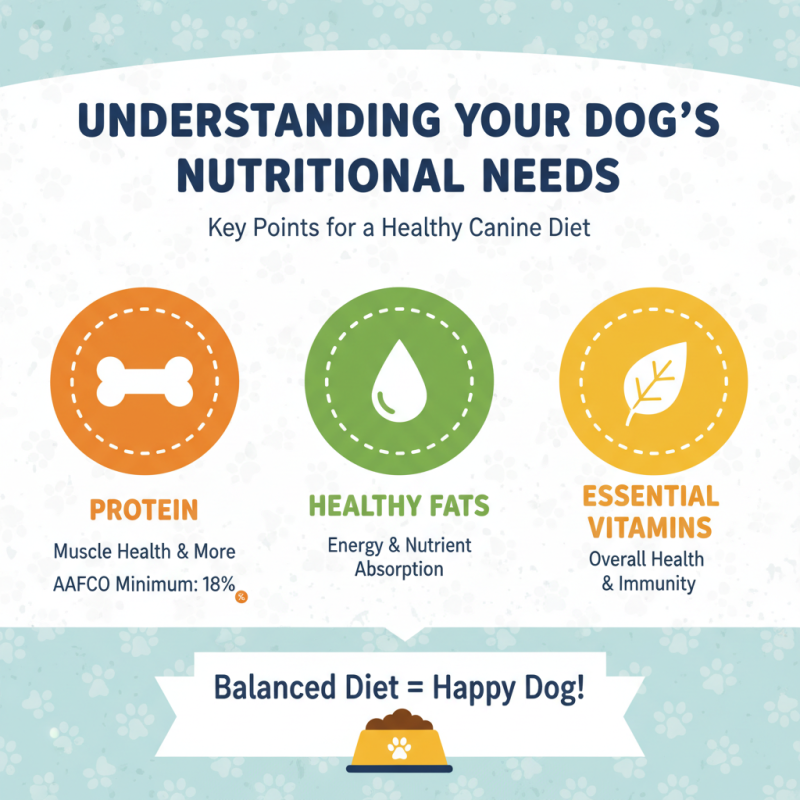
Understanding your dog's nutritional needs is crucial in promoting their overall health. Dogs require a balanced diet rich in protein, healthy fats, and essential vitamins. According to the Association of American Feed Control Officials (AAFCO), protein should constitute at least 18% of an adult dog's diet. Fats also play a vital role, providing energy and aiding in nutrient absorption.
Salmon is a valuable protein source due to its high omega-3 fatty acid content. These fats benefit skin and coat health, as noted in a study published by the Journal of Animal Science. That study indicated that dogs receiving diets with omega-3 fatty acids had improved coat quality and reduced itching. Additionally, dogs need carbohydrates for energy and fiber for digestive health. Monitoring the ratio of these nutrients in their food is essential.
Many dog owners overlook specific dietary requirements. For example, certain dog breeds may be more prone to food allergies. This necessitates a careful choice of ingredients. Regular check-ups with a veterinarian can help identify any deficiencies or allergies. As dogs age, their nutritional needs may also change. Staying informed and adjusting their diet accordingly can lead to long-lasting health and vitality.
Evaluating the Ingredients in Nutrish Salmon Dog Food
When selecting dog food, ingredient evaluation is crucial. Nutritional value plays a key role in your pet's health. Salmon should be the first ingredient listed. It provides high-quality protein and omega fatty acids. These nutrients support a shiny coat and healthy skin. Look for whole ingredients over by-products. This choice ensures your dog receives more essential nutrients.
Check for added vitamins and minerals as well. They're vital for overall health. Antioxidants from fruits and vegetables can boost the immune system. Some recipes may contain fillers like corn or soy. These ingredients can sometimes cause allergies or offer little nutritional value. Opt for foods that prioritize health and well-being.
Always consider your dog’s specific needs. Age, size, and activity level matter. A younger dog may need more protein than an older one. Regularly reassess your pet’s diet. What worked last year may not be the best now. Stay informed about ingredient sourcing and changes in recipes over time.
Comparing Nutrish Salmon with Other Dog Food Brands
When comparing salmon dog food options, focus on ingredient quality. Some brands often use fillers that provide little nutritional value. Look for real salmon as the primary ingredient. This ensures your dog gets essential proteins and omega fatty acids.
Texture matters too. A good dog food should not be overly dry or mushy. It should be palatable and easily digestible. Many dogs have sensitivities to certain grains. Trying grain-free options could be beneficial. This choice might reduce food allergies and promote healthier digestion.
Tips: Check the nutritional breakdown on the packaging. The crude protein percentage should ideally be higher in quality food. Scout for customer reviews or vet recommendations before making a decision. Not all brands deliver the same health benefits. Each dog is unique, and what works for one may not work for another. Be willing to adjust based on your pet's reactions.
Comparison of Dog Food Nutritional Content
Assessing Your Dog's Taste Preferences and Allergies
Understanding your dog’s taste preferences is vital in choosing the right food. Dogs, like humans, have individual likes and dislikes. Some may adore fish flavors, while others might prefer chicken or lamb. Observing their reactions can provide valuable insights. Pay close attention when introducing new foods. Watch for tail wags or sniffing. These signs often indicate strong interest.
Allergies can complicate the decision-making process. Common allergens include wheat, corn, and certain proteins. If your dog shows signs of itchy skin, digestive issues, or severe reactions, it may indicate an allergy. A visit to a veterinarian can provide clarity. They may recommend an elimination diet to identify triggers. This trial-and-error approach requires patience. Not every food will suit every dog.
Creating a balanced diet also involves being mindful of texture and aroma. Some dogs prefer kibble, while others thrive on wet food. Mixing textures can encourage better eating habits. Remember, it's a journey. You might not find the perfect food immediately. Keeping your dog's health and happiness at the forefront, experimentation is key.
Tips for Transitioning to Nutrish Salmon Dog Food
Transitioning your dog to a new food can be a challenge. It requires patience and a bit of planning. Start by mixing a small amount of the new food with your dog’s current diet. This helps the digestive system adjust slowly. A good rule is to use 75% old food and 25% new food at first. Over a week, gradually shift the ratio to 50/50, then 25% old food and 75% new food. This gradual approach can minimize upset stomachs.
Monitor your dog’s reaction closely. Look for changes in energy levels, stool consistency, and appetite. Some dogs may refuse to eat the new food at first. This isn't uncommon. If your dog seems disinterested, consider placing the bowl in a quiet area. You may also want to try warming the food slightly to enhance the aroma. Be patient and remain consistent. It can take days or even weeks for a dog to adapt to new flavors and textures.
Sometimes the transition might not go as smoothly as hoped. If your dog shows signs of distress, like vomiting or diarrhea, slow down the process even more. Adjusting feeding habits takes time. Remember, every dog is unique and may require a tailored approach. Consistency and observation are key when making dietary changes. Celebrate small victories along the way to ensure a successful transition.
How to Choose the Best Nutrish Salmon Dog Food for Your Pet? - Tips for Transitioning to Nutrish Salmon Dog Food
| Nutritional Aspect |
Importance |
Tips for Transitioning |
| Protein Content |
Essential for muscle health and energy |
Gradually mix with current food over 7-10 days |
| Omega Fatty Acids |
Supports skin and coat health |
Introduce slowly to avoid digestive upset |
| Grain-Free Options |
Comfort for dogs with grain sensitivities |
Monitor your dog's tolerance to new ingredients |
| Flavor Variety |
Keeps dogs interested in their food |
Try different flavors to find your dog’s favorite |
| Added Vitamins and Minerals |
Supports overall health and immune function |
Ensure a balanced diet while transitioning |