How to Choose the Best Nutrish Dry Dog Food for Your Pet?
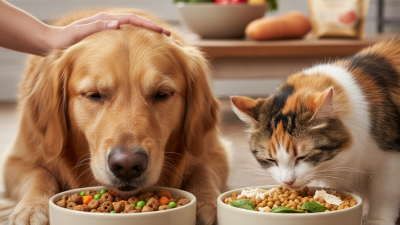
Choosing the right food for your furry friend is essential. It affects their health and happiness. Nutrish dry dog food has gained popularity for its quality ingredients. This brand offers various options tailored to different breeds and dietary needs.
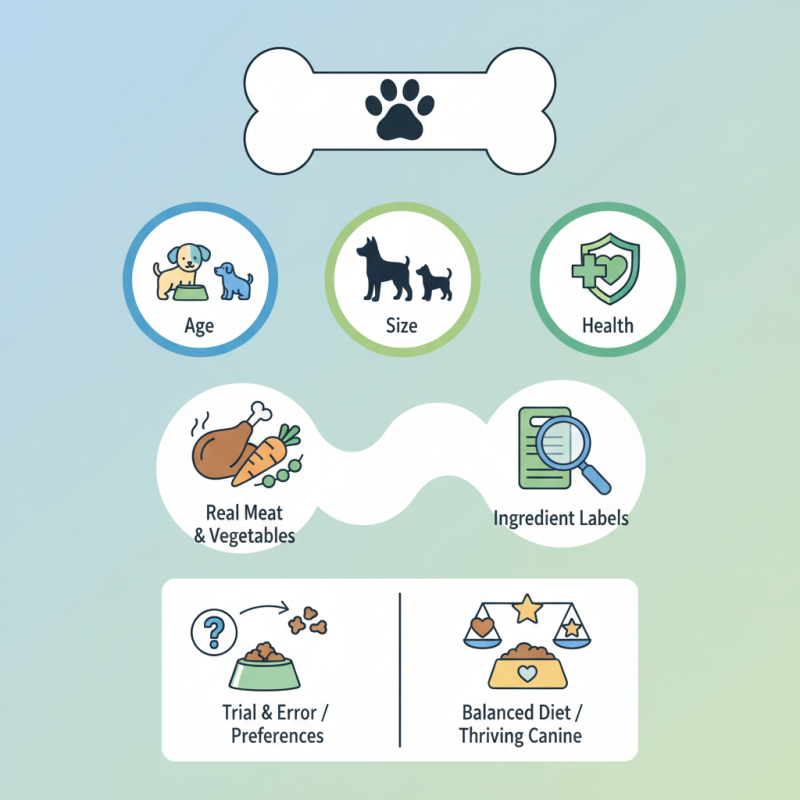
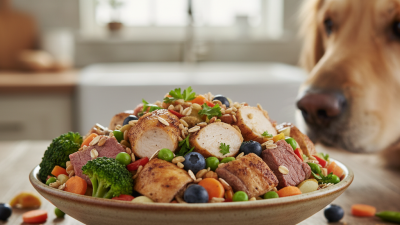
When selecting Nutrish dry dog food, consider your dog’s age, size, and health. Puppies need different nutrients than seniors. A blend that includes real meat and vegetables can boost their overall well-being. Pay attention to ingredient labels; this is crucial. Not all dog foods are created equal.
Some Nutrish varieties may not suit every dog's palate. A bit of trial and error might be necessary. Remember that your pet's preferences matter. Overall, make informed choices for a balanced diet that keeps your canine companion thriving. Your dog deserves the best care and nutrition.
Criteria for Evaluating Nutritional Content in Dog Food
When evaluating the nutritional content in dog food, there are several key criteria to consider. First, look at the protein sources. Dogs require protein for muscle development and overall health. Studies show that a protein content of around 20-30% is optimal for most breeds. However, not all proteins are equal. Some may come from whole meat, while others are from by-products, which can vary in quality and digestibility.
Next, focus on the presence of essential fats. Omega-3 and Omega-6 fatty acids are vital for skin and coat health. A report by the Association of American Feed Control Officials (AAFCO) indicates that dog foods should contain at least 5-10% fat for a balanced diet. However, too much fat can lead to obesity, especially in less active dogs. This balance requires careful consideration based on your pet's lifestyle.
Additionally, be mindful of the carbohydrate sources. High-quality grains or vegetables should be the primary sources. Poor quality fillers can lead to digestive issues. An industry survey found that nearly 30% of dog owners reported digestive health problems in pets subjected to low-quality food. Ingredient transparency is crucial. Always check labels for any vague terms or artificial additives. This careful evaluation can lead to a more informed and healthier choice for your dog.
Nutrition Content Analysis of Dry Dog Food Brands
Understanding Ingredients: What to Look for in Nutrish Dry Dog Food
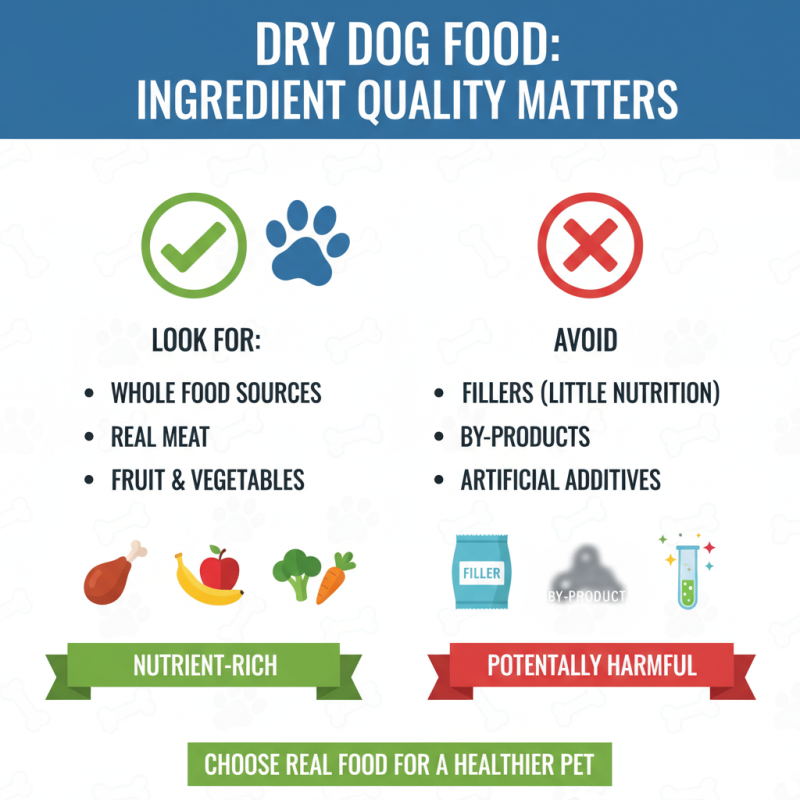
When choosing dry dog food, ingredient quality matters. Look for whole food sources like real meat, fruits, and vegetables. Avoid fillers that contribute little nutrition. Some brands feature by-products and artificial additives. These can be harmful to your pet's health.
Tips: Always read the ingredient list carefully. If you see many unfamiliar ingredients, it’s a red flag. Keep an eye out for named meat sources. They generally indicate better quality than generic terms like "meat meal."
Some owners might be tempted to rely on marketing claims. But they often mislead. Nutritional information is key. Check the protein percentage and fat content. Make sure it fits your dog's energy levels and lifestyle. Remember, what works for one dog may not work for another. Be prepared to adjust based on your pet’s health.
Assessing Life Stage-Specific Nutritional Needs for Dogs
When selecting dry dog food, consider your dog's life stage. Puppies need different nutrients than adult or senior dogs. Their growth demands extra protein and fat. A nourishing diet helps them develop strong bones and muscles. However, it’s easy to overlook these specific needs.
Adult dogs require a balanced diet to maintain energy and weight. Too much fat can lead to obesity. Yet, too little can cause lethargy. Pay attention to your dog's activity level when choosing food. Senior dogs benefit from formulas that support joint health. Many senior dogs face mobility issues. A diet rich in omega-3 fatty acids can be helpful for them.
It can be challenging to find the right balance. Many pet owners buy what's popular rather than what fits their dog’s needs. Reading labels can be overwhelming. Don’t hesitate to consult a veterinarian for advice. Adjusting your dog’s diet based on their specific life stage is essential for their well-being.
Investigating Brand Reputation and Quality Assurance Practices
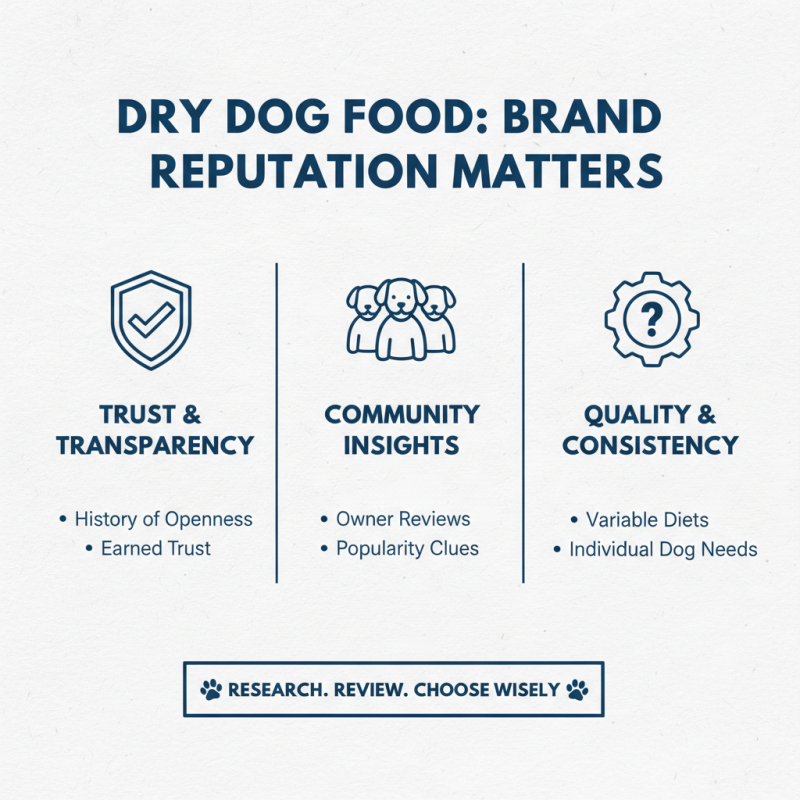
When choosing dry dog food, brand reputation is crucial. Reputation reflects the trust a brand has earned over time. Look for companies that have a history of transparency. Reviews from other dog owners can reveal a lot. A brand’s popularity can hint at its quality. However, remember that even popular brands may have inconsistencies. Some dogs thrive on certain diets, while others do not.
Quality assurance practices are equally important. These practices ensure that the food meets high standards. Investigate how a brand ensures safety and nutritional value. Regular testing and sourcing quality ingredients are vital. A lack of information can be a red flag. Brands that promote their processes often show confidence. But be aware, the simplest packaging does not always guarantee quality.
Consider your dog’s specific needs. Each dog is unique and might not fit into one formula. If a brand cannot address these needs, it may not be the right choice. Look for those that adapt recipes or offer a range. It’s essential to balance quality with your dog’s requirements. This process can be complex, and adjustments may be necessary. Reflect on the choices you make for your pet.
Analyzing Customer Reviews and Expert Recommendations on Nutrish Products
When selecting dry dog food, it's vital to consider customer reviews. Many owners share their experiences online. You can find insights about ingredients and nutritional value. Some reviews praise specific recipes for enhancing dog coats. Others highlight improvements in energy levels. However, not every review is positive. Some pets may not respond well to certain formulas. Observing your dog's reaction is essential.
Expert recommendations also play a crucial role. Nutritionists evaluate dog food based on scientific principles. They focus on protein sources and balanced nutrients. Their insights guide thoughtful choices. However, experts may not always agree. Some suggest grain-free diets, while others advocate for grains. This can create confusion for pet owners.
Watch for common patterns in reviews. Many users mention issues like fussy eaters. It’s essential to find a product your dog enjoys. Some owners recommend gradual transitions to new foods. This method can help prevent stomach upset. Ultimately, the best choice depends on your dog's specific needs and preferences. Keep trial and error in mind as you explore options.
How to Choose the Best Nutrish Dry Dog Food for Your Pet? - Analyzing Customer Reviews and Expert Recommendations on Nutrish Products
| Product Name |
Average Rating |
Main Ingredients |
Customer Review Summary |
Expert Recommendation |
| Dry Dog Food Formula 1 |
4.5/5 |
Chicken, Brown Rice, Peas |
Dogs love the taste, improved coat condition. |
Highly recommended for active dogs. |
| Dry Dog Food Formula 2 |
4.2/5 |
Lamb, Quinoa, Carrots |
Good digestion, less shedding. |
Recommended for dogs with sensitive stomachs. |
| Dry Dog Food Formula 3 |
4.8/5 |
Salmon, Sweet Potatoes, Peas |
Great for skin health, excellent taste. |
Highly praised for dogs with allergies. |
| Dry Dog Food Formula 4 |
4.0/5 |
Beef, Barley, Peas |
Some dogs experienced gas, but overall good. |
Suitable for medium-sized breeds. |
| Dry Dog Food Formula 5 |
4.6/5 |
Turkey, Brown Rice, Oats |
Liked by picky eaters, improved energy levels. |
Recommended for older dogs. |