How to Choose the Best Cat Food for Your Pet's Health?

Choosing the best cat food for your pet’s health is crucial. Cat food plays a significant role in their overall well-being. It impacts their energy levels, coat condition, and even mood.

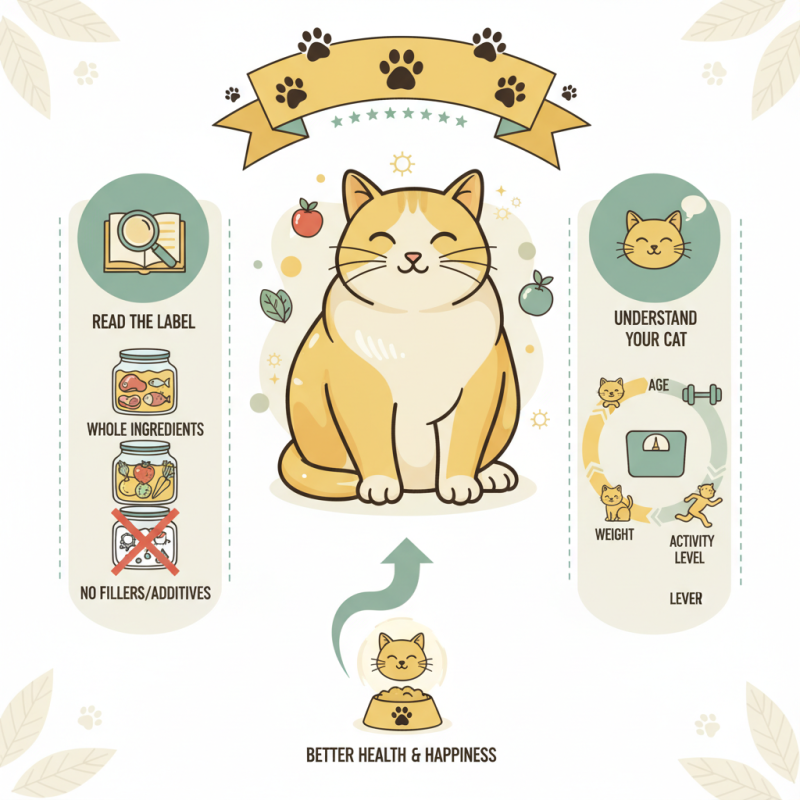
Many options exist in the market. Each brand claims to offer the best nutrition. However, not all cat food is created equal. Some contain fillers and artificial additives. These can harm your cat rather than help. It's essential to read labels carefully. Look for real meat and whole ingredients.

Understanding your cat's specific needs is also vital. Cats have unique dietary requirements based on age, weight, and activity level. A kitten may need more protein than an older cat. Take time to explore different foods. The process can feel overwhelming. However, your cat’s health is worth the effort.
How to Choose the Best Cat Food for Your Pet's Health?

Understanding Your Cat's Nutritional Needs for Optimal Health

Understanding your cat's nutritional needs is essential for their health. Cats are obligate carnivores. They require a diet rich in animal protein to thrive. A balanced cat diet includes proteins, fats, vitamins, and minerals. Without these, cats may suffer from health issues.

When choosing cat food, consider the ingredients. Look for real meat as the first ingredient. Carbohydrates should be minimal. Cats don't need grains in large amounts. Each cat is unique. Their age, weight, and activity level play a role in nutritional requirements. For example, kittens need more protein for growth. Older cats might benefit from added nutrients for joint health.

It’s important to monitor your cat’s response to their food. Changes in coat condition or energy levels can signal issues. Some cats can be picky eaters too. They may refuse a food that doesn't appeal to them. This can lead to frustration when trying to find the right balance. Regular veterinary check-ups can help guide you on necessary dietary changes. Tailoring their diet may take trial and error, but your cat's health is worth it.


Evaluating Ingredients: What to Look For in Cat Food Labels

When evaluating cat food labels, start with the ingredient list. Look for named protein sources like chicken or fish at the top. These provide essential amino acids. Avoid vague terms like "meat by-products." They can indicate low-quality ingredients. High-quality cat food typically lists a specific meat, followed by whole grains or vegetables.

Check for added vitamins and minerals, which are crucial for your cat's health. To ensure proper nutrition, aim for a balance of protein, fats, and carbohydrates. Some labels may not disclose the exact sources. This can be a red flag. It's also important to note the absence of artificial colors or preservatives. If it has too many additives, it may not be the best choice.

Be aware that what works for one cat might not work for another. Each cat has unique dietary needs. Consider your cat’s age, weight, and health when choosing food. Sometimes, it takes a bit of trial and error to find what suits them best. Observe how your cat responds to different foods. It's okay to change brands or formulas as you learn more about their preferences and requirements.

How to Choose the Best Cat Food for Your Pet's Health? - Evaluating Ingredients: What to Look For in Cat Food Labels

Ingredient Purpose Nutritional Benefits Considerations
Chicken Meal Protein Source Rich in essential amino acids for muscle maintenance Ensure it's the primary ingredient for quality
Brown Rice Carbohydrate Source Provides energy, fiber, and B vitamins Check for whole grains to enhance digestibility
Fish Oil Fat Source Source of omega-3 fatty acids for skin and coat health Look for sustainably sourced options
Taurine Essential Amino Acid Supports heart and eye health Cats require this for overall health; ensure it’s included
Fruits & Vegetables Vitamins & Antioxidants Boost immune system and provide fiber Moderation is key as cats are obligate carnivores
Probiotics Digestive Health Support gut health and nutrient absorption Look for specific strains beneficial for cats

The Importance of Life Stage in Choosing Cat Food

How to Choose the Best Cat Food for Your Pet's Health?

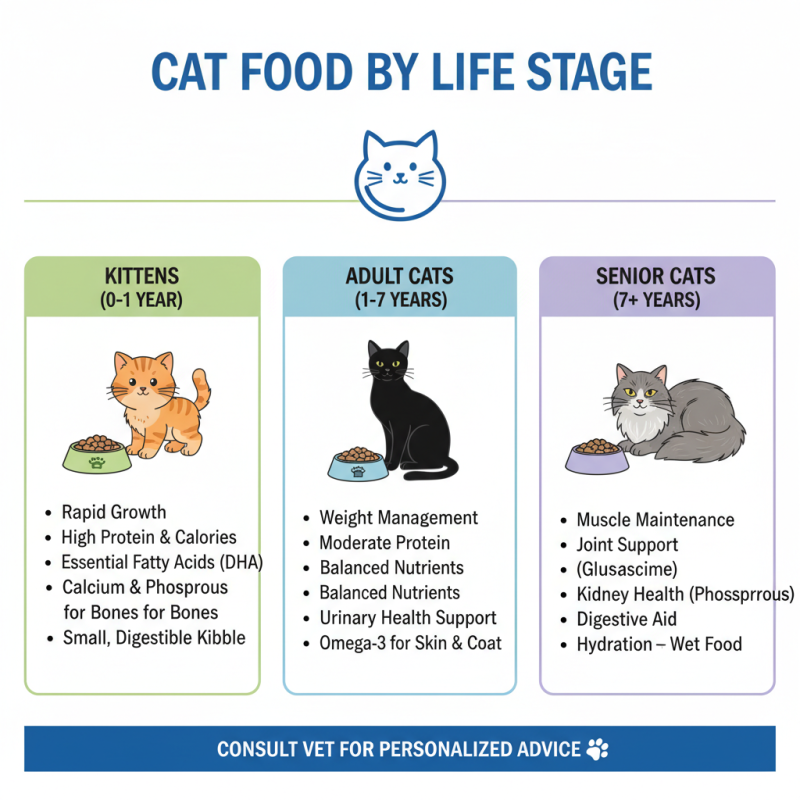
Choosing the right cat food is essential for your pet's health. One key factor to consider is your cat's life stage. Kittens, adult cats, and seniors all have unique nutritional needs. For example, kittens require more protein and calories to support their rapid growth. They also need vitamins and minerals for developing bones and teeth.

Adult cats, on the other hand, require a balanced diet that maintains their weight and energy levels. It's easy to overlook portion control at this stage. Senior cats may need a diet lower in calories but higher in fiber to aid their digestion. They may also benefit from specific nutrients, like glucosamine, to support joint health.

When selecting food, consider your cat's specific health needs too. Some cats may have sensitivities or allergies. Their reactions can range from minor skin irritations to serious digestive issues. Therefore, adjusting the food based on their life stage and health condition is crucial. Ignoring these factors can lead to long-term health problems. It’s always worth reflecting on what’s in that bowl before serving it up.

Special Dietary Requirements: Managing Allergies and Health Issues

Managing your cat's dietary needs is crucial, especially with allergies and health issues in mind. Many cats suffer from food sensitivities. Common allergens include chicken, beef, and grains. Identifying the right food can be challenging. Keep a diary of symptoms to track reactions to different foods. You may notice skin irritations or digestive issues. These signs can guide you in selecting a suitable diet.

Some cats require a specialized diet. For instance, those with kidney disease may need lower protein intake. If your cat has diabetes, watch their carbohydrate levels. Consulting a veterinarian is a good idea, but not everyone does. Check if your pet responds well to the new food. This process takes time. It’s essential to be patient and observant. Your cat’s health improvements may be gradual, not immediate. Adjusting their diet needs constant reflection and tweaking.

Remember, not all foods labeled as "hypoallergenic" truly fit every cat's needs. Experimenting is often a required approach. Each cat has unique health requirements. Keep an eye on their energy levels and overall well-being. Be ready to change food options as their needs evolve. Adjustments may come with challenges, but they are worth it for your pet's health.

How to Choose the Best Cat Food for Your Pet's Health

This chart illustrates the prevalence of various dietary requirements based on health issues in cats. Managing allergies through food choices can significantly affect a cat's well-being.

Comparing Dry vs. Wet Cat Food: Pros and Cons for Your Pet's Diet

How to Choose the Best Cat Food for Your Pet's Health?

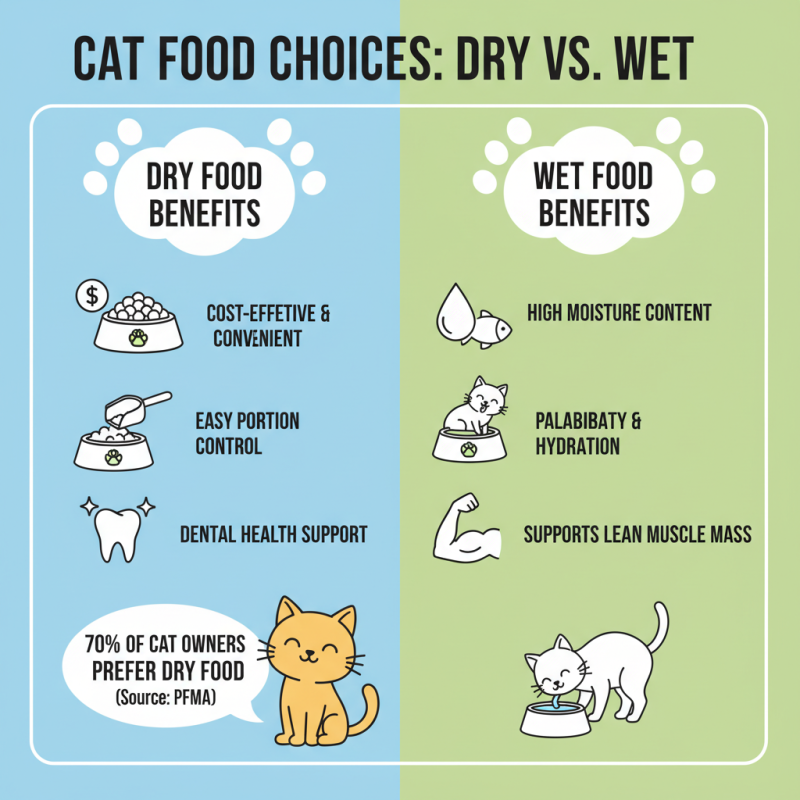
When choosing cat food, it’s crucial to understand the differences between dry and wet food. Dry food is often convenient and cost-effective. It allows for easy portion control and helps maintain dental health. According to the Pet Food Manufacturers Association, about 70% of cat owners prefer dry food due to its long shelf life.

On the other hand, wet food offers higher moisture content. This is beneficial for cats, particularly those with urinary issues. A study in the Journal of Feline Medicine found that cats consuming wet food had significantly better hydration levels. However, wet food can spoil quickly and may be more expensive.

Tips: Choose a high-quality food based on your cat's specific health needs. Monitor their weight closely. A cat consuming too much dry food might become overweight. Rotate between wet and dry food to provide variety. This can help prevent picky eating habits and ensure balanced nutrition. Always consult with a veterinarian for personalized advice. Balancing wet and dry food may encourage better eating behaviors and overall health.