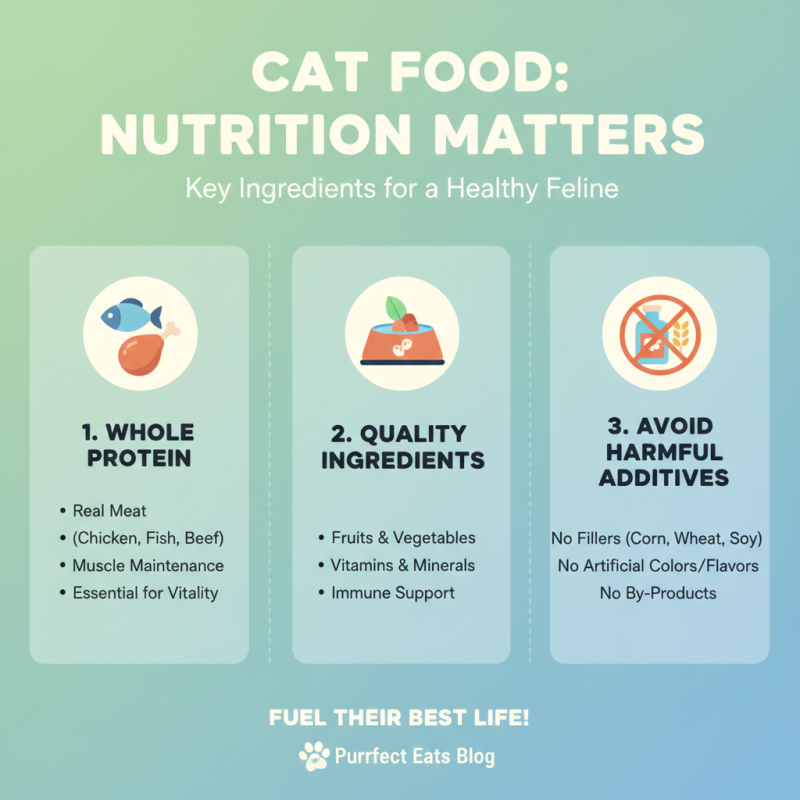
Choosing the right food for your feline friend is crucial for ensuring their overall health and happiness. Nutrish cat food stands out as an excellent option, formulated with high-quality ingredients that cater to the unique nutritional needs of cats. This pet food brand emphasizes natural recipes, featuring real meat as the first ingredient, which supports muscle development and provides essential protein.
In addition to its protein-rich content, Nutrish cat food is designed to promote optimal digestion and a shiny coat, thanks to the inclusion of wholesome fruits, vegetables, and essential vitamins. Pet owners are increasingly aware of the importance of nutrition in their cat's life, and Nutrish offers a balanced diet that helps maintain a healthy weight and boosts the immune system.
Ultimately, selecting Nutrish cat food is not just a decision for mealtime; it is an investment in your cat’s long-term health and happiness. By prioritizing natural ingredients and the well-being of our beloved pets, we can ensure that our feline companions enjoy a vibrant and joyful life.
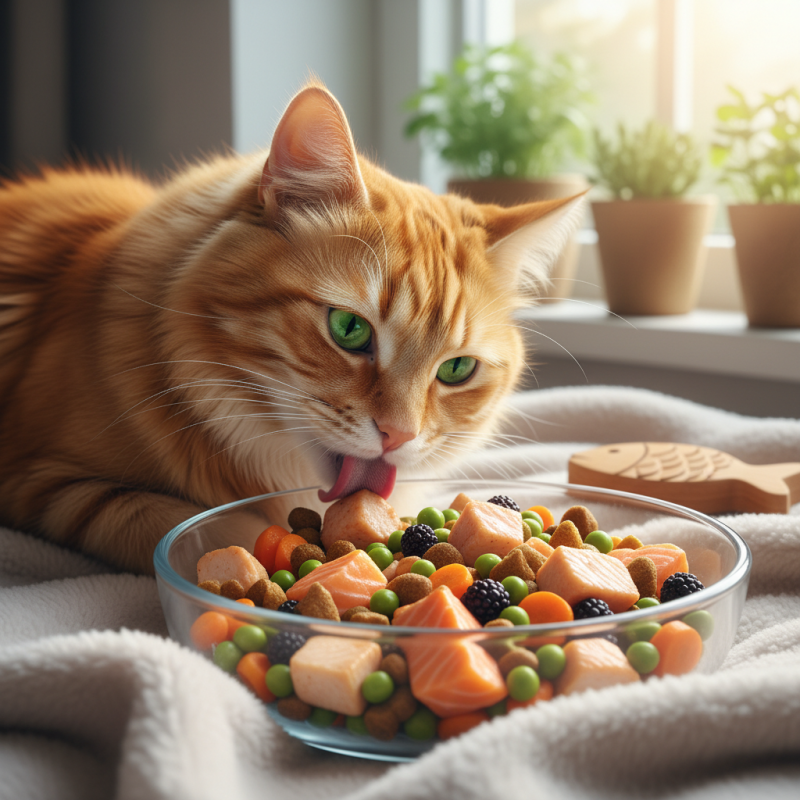
When selecting cat food, the formulation and quality of ingredients play a crucial role in ensuring your feline friend’s health and happiness. Premium cat food often emphasizes whole ingredients like real meat, fruits, and vegetables, steering clear of fillers and artificial additives. This thoughtful approach helps to provide a well-rounded nutritional profile, catering to the specific dietary needs of cats. High-quality protein is essential for maintaining muscle mass and supporting overall vitality, while added vitamins and minerals contribute to robust immune function and energy levels.
Analyzing the ingredients reveals a commitment to feline nutrition that aligns with a cat's natural dietary habits. Ingredients such as real meat or fish serve as the primary protein source, fulfilling cats' carnivorous instincts and dietary requirements. Moreover, the inclusion of wholesome grains or nutrient-dense vegetables can enhance fiber content, promoting healthy digestion. These carefully selected components not only contribute to physical health but also support a vibrant coat and improved skin condition, all of which are indicators of a happy, healthy cat.

When it comes to selecting the best diet for your feline, high-quality proteins are essential for their overall health and happiness. Cats are obligate carnivores, which means their bodies are designed to thrive on animal-based proteins. Nutrish cat food places an emphasis on using real meat as the primary ingredient, ensuring that your cat receives the necessary amino acids for muscle development and energy. This focus on high-quality proteins not only supports physical health but also contributes to a shiny coat and bright eyes, key indicators of a well-nourished cat.
Incorporating high-quality proteins into your cat's diet can be straightforward. Look for cat foods that list a specific meat source, such as chicken or fish, at the top of the ingredient list. Avoid products that rely heavily on fillers or by-products, as these can dilute the nutritional value your cat needs. Switching to a protein-rich diet may take time; ensure the transition is gradual to avoid digestive upset. Additionally, supplementing your cat's diet with live prey periodically can mimic natural feeding habits and help maintain their instinctual behaviors.
Remember, hydration is also critical. Cats often do not drink enough water, especially if their diet is predominantly dry food. Consider adding wet food options to enhance moisture intake while ensuring your feline gets ample protein. Providing a balanced diet with a focus on high-quality proteins will not only keep your cat healthy but also help maintain their playful spirit.
Fiber plays a pivotal role in maintaining your cat's digestive health, and incorporating it into their diet can lead to significant health benefits. Recent studies in veterinary nutrition have shown that a fiber-rich diet can help prevent obesity by promoting a feeling of fullness, which is crucial given that nearly 60% of cats are classified as overweight or obese. Moreover, fiber assists in regulating bowel movements, which can minimize the risk of constipation and other gastrointestinal issues that may impact your cat's overall well-being.
When selecting cat food, it's essential to look for sources of both soluble and insoluble fiber. Soluble fiber aids in slowing digestion, which enhances nutrient absorption, while insoluble fiber helps to keep the digestive tract moving smoothly. According to the Journal of Feline Medicine and Surgery, a balanced fiber intake can help in reducing hairballs and can even improve glycemic control in diabetic cats, thereby enhancing their quality of life.
**Tips:** When transitioning your cat to a fiber-rich diet, do so gradually to avoid digestive upset. Start by mixing a small portion of the new food with their current diet, progressively increasing the proportion over a week. Additionally, ensure that your cat stays hydrated, as fiber absorbs water, which is vital for optimal digestion. Lastly, regular veterinary check-ups can help monitor your cat’s digestive health and adjust their diet as needed.
This bar chart illustrates the average fiber content in various groups of cats, highlighting the importance of fiber in promoting digestive health. The increased fiber content can aid in digestion and prevent issues like constipation, ensuring a happier and healthier feline.
Nutritional balance is critical in promoting the optimal growth and well-being of cats. According to the Association of American Feed Control Officials (AAFCO), a nutritionally complete cat food must meet specific requirements that cater to the unique dietary needs of felines, including adequate levels of proteins, fats, vitamins, and minerals. Cats are obligate carnivores, meaning their diets must comprise high-quality animal proteins to ensure proper muscle development and overall health. Studies have shown that protein should constitute approximately 30-40% of a cat's diet to support their energy levels and vitality.
Moreover, essential fatty acids, particularly omega-3 and omega-6, play a vital role in skin health, coat quality, and inflammatory responses. These nutrients, along with a balanced intake of vitamins such as A, D, E, and various B-vitamins, bolster the cat's immune system, aiding in disease prevention and longevity. Research indicates that diets enriched with antioxidants can enhance the cognitive function of aging cats, reducing the risk of neurodegenerative conditions. Ensuring that the food provides a well-rounded blend of these nutrients is imperative for promoting optimal growth and lifetime health in cats.
| Nutritional Component | Importance | Recommended Daily Intake | Sources |
|---|---|---|---|
| Protein | Essential for muscle growth and energy | 30-40% | Chicken, fish, turkey |
| Fats | Source of concentrated energy | 15-25% | Fish oil, chicken fat |
| Carbohydrates | Supports energy but should be balanced | 5-10% | Brown rice, peas |
| Vitamins | Supports immune function and overall health | Varied; based on diet | Vegetables, fruits |
| Minerals | Critical for bone health and metabolic functions | Varied; based on diet | Meat, seafood, grains |
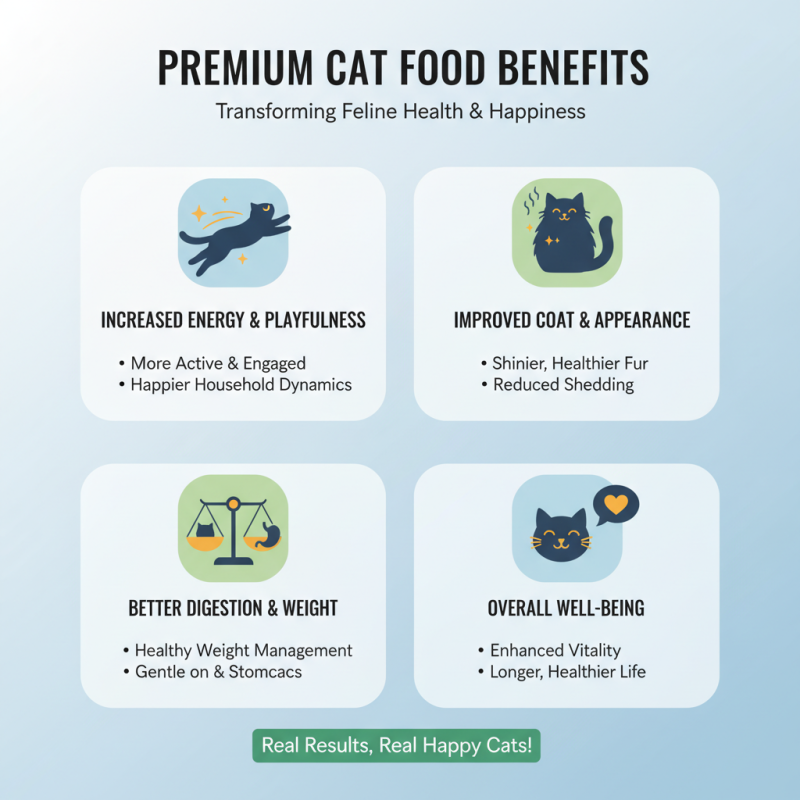
Numerous pet owners have shared success stories highlighting the positive changes in their cats’ health and happiness after switching to a premium cat food option. Many testimonials emphasize a notable increase in energy levels and improved coat health. Customers report that their felines exhibit enhanced playfulness and vitality, resulting in a happier and more interactive household. The transformation in their pets’ behavior, alongside the visible improvements in weight management and digestion, underscores the importance of choosing high-quality nutrition for feline companions.
Veterinary experts also weigh in on the benefits of a well-formulated cat food. They point out that a balanced diet, rich in essential nutrients, can significantly impact a cat's overall well-being, reducing the risk of common health issues such as obesity and gastrointestinal disorders. Vets recommend foods that incorporate real meat and natural ingredients, arguing that these promote better muscle health and support the immune system. Many practitioners have witnessed firsthand the difference in their patients’ health when owners prioritize nutrition, leading to fewer visits for preventable conditions and fostering a stronger bond between pets and their owners.