How to Choose the Best Puppy Dog Food for Your New Best Friend?
Choosing the right puppy dog food is crucial for your new furry friend. The right food supports their growth and health. Puppies have special nutritional needs that adult dogs do not. They require more protein and calories to fuel their playful energy.
When selecting puppy dog food, consider ingredients carefully. Look for high-quality proteins like chicken or lamb at the top of the list. Some brands use fillers that offer little nutrition, like corn or soy. This can lead to poor health outcomes in your puppy.
Many pet owners make mistakes in their choices. They often focus on packaging rather than nutritional value. Reading labels is essential. You might find a brand that seems perfect, but it has hidden additives. Research and ask your vet for recommendations. Your puppy’s diet can shape their future health, so take time to reflect on your choices.
Understanding Nutritional Needs of Puppies: Key Components to Consider
Choosing the right puppy food is crucial for your furry friend’s development. Puppies have unique nutritional needs that differ from adult dogs. They require a balanced diet that supports their growing bodies and energetic lifestyles. Key components to look for include protein, fat, and essential vitamins and minerals.
Protein is vital for building strong muscles. Aim for high-quality sources such as chicken, lamb, or fish. Fats also play a significant role in energy levels and healthy skin. Look for dog food with omega fatty acids. These contribute to a shiny coat and overall good health.
**Tip**: Pay attention to the ingredient list. A shorter list often indicates higher quality. You want recognizable ingredients.
Don’t forget about essential vitamins and minerals. Calcium and phosphorus support bone growth. Vitamin A promotes good vision and immune health. It’s easy to overlook these as a new pet owner. However, they are critical for your puppy’s well-being.
**Tip**: Consult with a vet for tailored advice. Every puppy is unique. Their needs may vary based on breed, size, and health status. Investing time in understanding these needs can lead to a happier, healthier dog.
Types of Puppy Dog Food: Kibble, Wet Food, and Raw Diets Explained
When selecting the best puppy dog food, understanding the types available is essential.
Kibble is highly popular due to its convenience. This dry food is easy to store and measure. Puppies often enjoy the crunch, which helps maintain dental health. However, not all kibble is created equal. Ingredients may vary widely, so always check the label.
Wet food is another option. It often comes in cans or pouches. Many puppies find it irresistible because of its rich aroma. This type of food can enhance hydration, which is beneficial for your puppy's health. Yet, it can be higher in calories, so portion control is necessary.
Raw diets are gaining traction among some pet owners. Proponents believe it mimics a natural canine diet. It can include raw meat, fruits, and vegetables. However, preparing a balanced raw diet takes effort. One must be careful about food safety and nutritional balance.
Tips: Always introduce new food gradually to avoid tummy troubles. Monitor your puppy's reaction to different types. Some may thrive on kibble, while others prefer wet food or raw diets. Keep an eye on their weight and energy levels. Mixing types may offer variety, but it requires careful balancing.
Reviewing Ingredients: What to Look for on Puppy Food Labels
When choosing puppy food, pay attention to the ingredients listed on the label. Look for real meat as the first ingredient. This ensures your puppy gets the protein they need for growth. Whole grains, fruits, and vegetables are also vital. They provide essential nutrients and fiber.
Avoid food with too many fillers or artificial additives. Ingredients like corn or by-products are often low quality. They do not offer much nutritional value. Stay away from vague terms like "meat meal," as they can be misleading.
It’s important to adjust your puppy's diet over time. What works at six weeks may not suffice at six months. Regularly evaluate their energy levels. Seek advice from a veterinarian if unsure. Finding the best fit may take time, and that's completely normal. Your puppy's health is worth the effort.
How to Choose the Best Puppy Dog Food for Your New Best Friend? - Reviewing Ingredients: What to Look for on Puppy Food Labels
| Nutrient |
Importance |
Recommended Sources |
| Proteins |
Essential for growth, muscle, and overall development. |
Chicken, beef, fish, or lamb meal. |
| Fats |
Provides energy and supports cell development. |
Fish oil, chicken fat, or flaxseed. |
| Carbohydrates |
Source of energy and aids digestion. |
Brown rice, sweet potatoes, or oatmeal. |
| Vitamins |
Support immune system and overall health. |
Fruits and vegetables like carrots and blueberries. |
| Minerals |
Important for bone health and enzyme function. |
Calcium, phosphorus, and potassium sources. |
Understanding AAFCO Standards for Puppy Food Quality Assurance
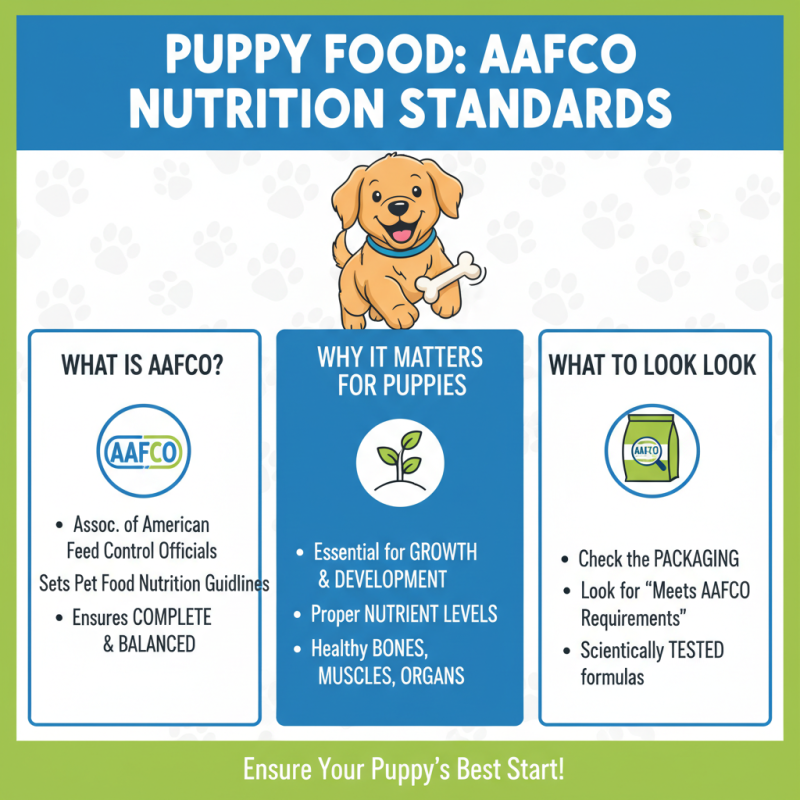
When selecting puppy food, understanding AAFCO standards is essential. AAFCO, the Association of American Feed Control Officials, establishes nutrition guidelines. These standards ensure that pet foods meet the necessary levels for growth and development. Look for statements on the packaging that confirm the food meets AAFCO's requirements. This assures you that the food has passed scientific testing.
Research reveals that puppies require higher protein and fat content than adult dogs. According to the National Research Council, puppies need about 22% protein and 8% fat in their diets. Not all products on the market meet this threshold. Inadequate nutrition can lead to long-term health issues. It is crucial to choose a food that supports your puppy's energetic lifestyle and growing body. Pay attention to ingredient quality and sourcing. Sometimes, lower-quality ingredients might be misleadingly marketed.
There is a growing concern about food recalls. Pet food companies sometimes respond to issues with ingredient safety. Keep yourself informed about such events. It's important to reflect on the information you gather. Not every product that carries an AAFCO label is of high quality. Delve deeper into ingredient lists and manufacturing practices. Responsible brands will offer transparency about their recipes.
Selecting the Right Food Based on Puppy Breed and Size Considerations
Choosing the right food for your puppy depends on breed and size. Different breeds have unique needs. Small breeds often require nutrient-dense food. Larger breeds, on the other hand, need formulas that support joint health. This is crucial as they grow.
Puppy food should match your dog's growth stage. For tiny breeds, smaller kibble is best. It promotes better chewing and digestion. Larger dogs can handle bigger pieces. Pay attention to the protein source. High-quality proteins support muscle development.
Your puppy's eating habits might change. Some dogs can be picky eaters. Others might chow down quickly. Monitor their reaction to the food. Take notes on their energy levels and digestion. If there are issues, be ready to rethink your choice. Don't hesitate to consult a veterinarian for guidance. Choosing the right food is a big responsibility. It’s part of caring for your new friend.
Best Puppy Dog Food Options by Breed Size