How to Choose the Best Cat Food Ingredients for Your Feline Friend
Choosing the best cat food ingredients for your feline friend is a crucial task that directly impacts their overall health and well-being. As pet owners, understanding what goes into our cats’ food can sometimes be overwhelming, given the multitude of options available on the market. One expert in the field of feline nutrition, Dr. Lisa Freeman, is renowned for her insights into quality ingredients and cat health. She emphasizes, "The right cat food ingredients can make all the difference in a pet’s life, ensuring they receive the essential nutrients required for optimal health."
In recent years, there has been a growing interest in ingredient transparency and the sourcing of cat food components. This is where understanding "nutrish cat food ingredients" comes into play. Knowing what these ingredients are, their nutritional benefits, and how they affect your cat’s dietary needs is vital for making informed choices. From proteins and fats to carbohydrates and additives, each component serves a specific purpose in a cat's diet.
As we delve further into how to select the best cat food ingredients, it is important to focus on high-quality sources and to be mindful of any potential allergens or additives that may not serve your feline friend. By fostering an awareness of what goes into their meals, pet owners can confidently choose products that support their cats’ health and happiness.
Understanding Nutritional Needs of Cats
When selecting the best cat food, understanding the nutritional needs of cats is crucial. Cats are obligate carnivores, meaning their diet must primarily consist of meat to meet their essential amino acid requirements, particularly taurine, which is vital for heart and eye health. According to the Association of American Feed Control Officials (AAFCO), a proper feline diet should contain a minimum of 26% protein for growth and reproduction and at least 22% for maintenance in adult cats. This protein must come from high-quality animal sources to ensure that cats receive the necessary nutrients efficiently.
In addition to proteins, cats require specific fatty acids and carbohydrates in their diet. Omega-3 and Omega-6 fatty acids support healthy skin and coat, while a balanced carbohydrate source can provide a sustainable energy level. However, cats do not have a dietary need for carbohydrates in the same way that omnivores do, and excessive carbohydrates may lead to obesity and diabetes. A report by the Pet Food Manufacturers' Association highlighted that nearly 60% of cats in the United States are classified as overweight or obese, underlining the importance of a balanced diet. Choosing high-quality ingredients that align with these nutritional needs can help maintain the overall health and well-being of our feline companions.
Identifying High-Quality Protein Sources for Cats
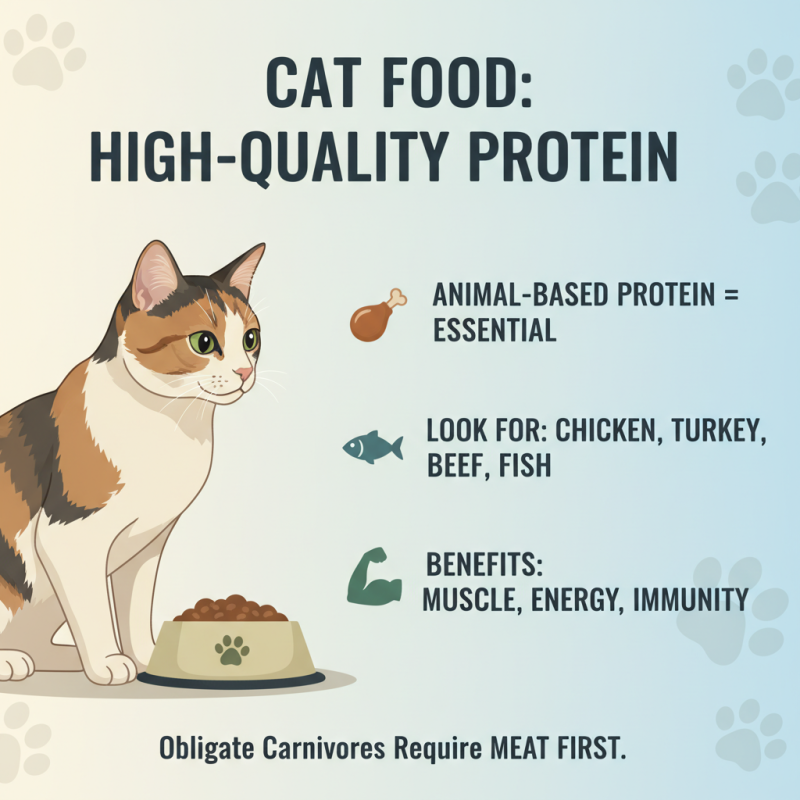
When selecting cat food, identifying high-quality protein sources is paramount for your feline friend's health and well-being. Cats are obligate carnivores, which means they require a diet predominantly made up of animal-based proteins. Look for meats like chicken, turkey, beef, and fish as the first ingredient on the label. These sources not only provide essential amino acids that cats need for muscle development and energy but also support a healthy immune system and skin.
Tips for choosing quality protein: Always check the source of protein. Single-source proteins are preferable, as they ensure higher digestibility and less likelihood of allergens. Additionally, proteins should come from whole meats rather than meat meals or by-products, which often lack the nutritional value found in whole meats. Including a variety of protein sources can also enhance the overall diet, offering a wider range of nutrients.
Keep an eye on the protein content percentage as well—the food should have a sufficient amount to meet your cat's needs, typically around 30-45% for adult cats. It's important to balance this with the fat content to ensure your cat maintains a healthy weight while still getting the energy they need. By focusing on these aspects when choosing cat food, you can provide your furry companion with a nutritious, satisfying diet that supports their overall health.
Evaluating Grains and Carbohydrates in Cat Food
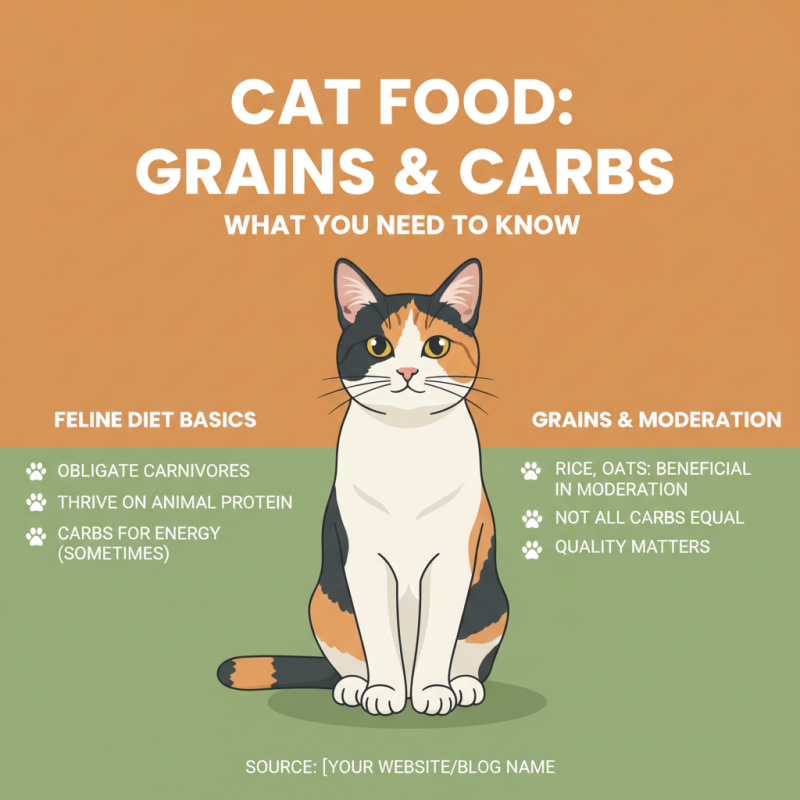
When evaluating grains and carbohydrates in cat food, it is crucial to understand the dietary needs of felines. Cats are obligate carnivores, meaning they thrive on a diet primarily made up of animal protein. However, some cat foods include grains and carbohydrates to provide a source of energy and other nutrients. Common grains like rice and oats can be beneficial in moderation, but it’s essential to recognize that not all carbs are created equal.
Choosing the right carbohydrates is key. High-quality grains can offer fiber, which aids in digestion, while also helping to maintain a balanced gut microbiome. On the other hand, excessive fillers or low-quality grains may lead to obesity or other health issues. It's advisable to look for cat foods that use easily digestible sources of carbohydrates and ensure that any grains included contribute positively to the overall nutritional profile. Ultimately, reading ingredient lists carefully and prioritizing high meat content will lead to better health outcomes for your feline friend.
Assessing Essential Vitamins and Minerals for Feline Health
When selecting the best cat food ingredients, assessing essential vitamins and minerals is crucial for ensuring your feline friend's health. Cats require a specific balance of nutrients to thrive, with particular attention to protein, fats, vitamins, and minerals. According to a 2021 report from the Association of American Feed Control Officials (AAFCO), essential vitamins such as A, D, E, and several B vitamins, along with key minerals like calcium, phosphorus, and magnesium,
play vital roles in maintaining a cat's overall well-being.
Vitamin A is particularly important for vision and immune function, while vitamin D helps regulate calcium levels, aiding in bone health. A deficiency in these vitamins can lead to serious health issues. Moreover, the National Research Council (NRC) recommends that cat food must provide adequate levels of taurine, an amino acid critical for heart and eye health. Inadequate taurine intake can lead to cardiac diseases and vision problems.
Additionally, minerals such as zinc and manganese support skin health and metabolic functions. A study published in the Journal of Animal Science highlighted that cats fed a balanced diet containing appropriate levels of these vital nutrients exhibited lower incidences of dermatological issues and higher energy levels. Thus, carefully evaluating and selecting cat food that contains the right mix of these essential vitamins and minerals is paramount for promoting the health and longevity of your furry companion.
Recognizing Harmful Ingredients to Avoid in Cat Food
When selecting cat food, it’s crucial to pay close attention to the ingredients list. Certain components can be harmful to your feline friend’s health. For instance, avoid foods containing excessive fillers like corn, wheat, and soy. These ingredients provide little nutritional value and can contribute to obesity and other health problems. Moreover, artificial preservatives, colors, and flavors are common in many commercial cat foods and can lead to allergic reactions or long-term health issues.
Another aspect to consider is the presence of meat by-products. While they might sound nutritious, these ingredients often come from low-quality sources and can contain unhealthy animal parts. Always opt for high-quality protein sources that clearly specify the type of meat, like “chicken” or “fish,” rather than vague terms. Additionally, steer clear of unnecessary additives like sugar or sweeteners, which can disrupt a cat's naturally carnivorous diet and lead to potential metabolic issues. Prioritizing natural, wholesome ingredients will help ensure that your cat thrives and remains healthy.