China Best Nourish Dog Food Supplier for Global Buyers

Choosing the right China best nourish dog food supplier requires more than comparing prices and product photos. Global buyers need dependable quality, clear communication, and evidence behind every claim. This guide introduces how experienced importers evaluate nourish dog food suppliers for private-label and wholesale partnerships. It considers ingredient sourcing, factory controls, packaging accuracy, and export readiness. A serious supplier should explain where proteins, grains, vitamins, and functional ingredients come from. Batch records should be available. Product specifications should remain consistent.

Details matter. A clean production line, sealed sample bags, and readable lot numbers reveal more than polished brochures. Buyers should request certificates, laboratory reports, shelf-life data, and product samples before placing large orders. Testing should address nutrition, microbiological safety, contaminants, and storage stability. Requirements may differ across countries, so suppliers must support destination-market compliance instead of offering vague assurances. Reliable communication also matters when formulas, labels, or shipping documents change.

No supplier is perfect. That deserves attention. Even strong factories can face raw-material changes, delayed testing, or packaging errors. The difference lies in how openly they respond and correct problems. This introduction will help global buyers assess supplier experience, technical capability, production transparency, and long-term reliability. It will also examine customization, minimum order quantities, logistics support, and after-sales service. Practical judgment remains essential. A factory visit can help, but it cannot replace independent verification. With careful evaluation, buyers can build a safer, clearer, and more sustainable partnership for nourishing dogs worldwide.
China Best Nourish Dog Food Supplier for Global Buyers

Understanding China’s Nourish Dog Food Supplier Market

China Best Nourish Dog Food Supplier for Global Buyers

Understanding China’s Nourish Dog Food Supplier Market

China’s nourish dog food supplier market is moving beyond low-cost production toward measurable nutrition. Euromonitor International’s 2024 pet-care data estimates China’s dog and cat food retail market at more than US$7 billion. This scale attracts factories, ingredient traders, and private-label exporters. Yet capacity does not equal consistency. Serious buyers should examine formulation control, batch records, and feeding-trial evidence before discussing price.

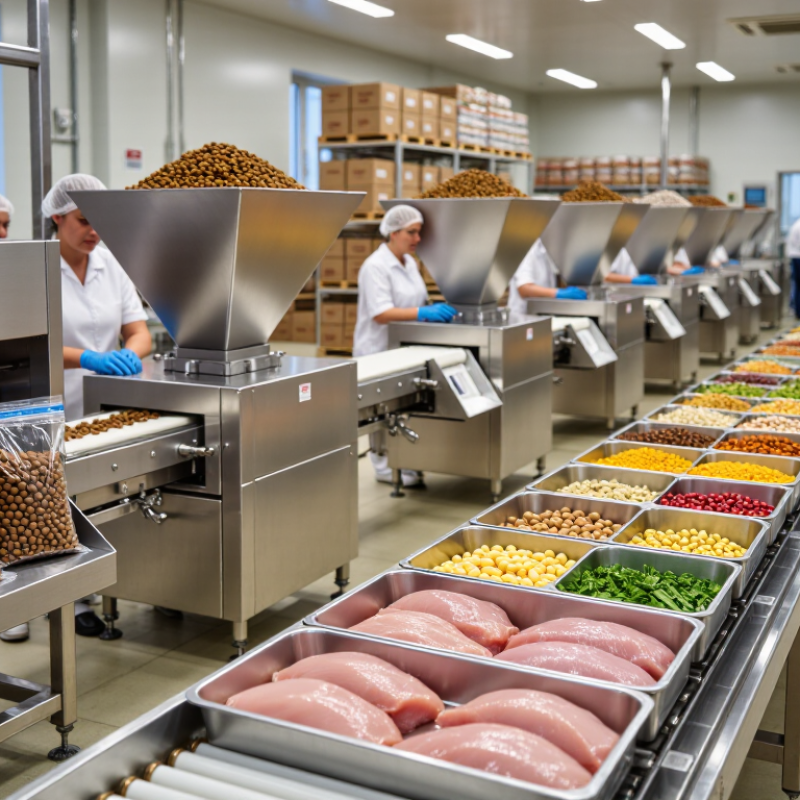
In factory audits, small details matter: sealed ingredient bins, calibrated scales, and clean changeover areas.

USDA Foreign Agricultural Service reports identify China as a major growth market. They also note that registration, labeling, and import requirements can affect market access. A qualified supplier should provide a specification sheet, certificate of analysis, allergen controls, and full traceability. FEDIAF nutritional guidelines offer a useful comparison framework, while local rules still require legal review. A product can look premium on paper. Its palatability may still disappoint.

Tips:

Request three recent batch COAs, not one sample. Compare protein sources, moisture, ash, calories, and additive declarations. Ask how the supplier handles recalls and customer complaints. Video tours help, but an independent audit is stronger. Grand View Research projects continued expansion in Asia-Pacific pet food demand, supported by urbanization and higher pet-care spending. However, forecasts are not purchase orders. Minimum order quantities, lead times, packaging durability, and port conditions can change the real cost. I would question vague claims such as “natural” or “nourishing.” They need defined ingredients and measurable targets. An incomplete first answer can be revealing.
Key Product and Nutrition Standards for Global Buyers

China Best Nourish Dog Food Supplier for Global Buyers

Global buyers need more than attractive packaging and a low quotation. A reliable dog food supplier should provide complete product specifications, stable production records, and clear nutrition data. Dry kibble, wet food, and functional treats require different moisture controls and feeding guidance. Each formula should identify animal protein sources, fat levels, fiber, ash, calcium, phosphorus, and essential vitamins. Small details matter.

Nutrition claims should match recognized regional standards, such as FEDIAF or AAFCO-based nutritional profiles, where applicable. Buyers should request laboratory reports for protein, moisture, microbiological safety, heavy metals, and oxidation indicators. Certificates from HACCP or ISO 22000 systems can support supplier evaluation, but certificates alone are not enough. Traceable batch numbers, retained samples, and documented corrective actions show stronger control. Ask for the actual records.

A dependable supplier should also explain ingredient origins, allergen management, shelf-life testing, and packaging performance. Export packaging must protect food from humidity, heat, light, and rough handling. During factory communication, I have found that clear questions reveal more than polished presentations. Some formulas look nutritionally impressive but lack feeding-trial evidence or consistent batch data. That deserves careful review. No formula is perfect. Even a well-designed recipe may need adjustment for breed size, age, activity, or local feeding habits. Buyers should compare laboratory results with product specifications before placing repeat orders. Consistency remains the difficult part.

China Best Nourish Dog Food Supplier for Global Buyers

Key product and nutrition standards for global buyers

The chart shows selected minimum nutrient levels for complete adult-maintenance dog food on a dry-matter basis, aligned with the AAFCO Dog Food Nutrient Profiles. Buyers should also verify ingredient quality, feeding trials, microbiological controls, product registration, labeling, and destination-market requirements before approval.

Reference: AAFCO Dog Food Nutrient Profiles, Adult Dog Maintenance, minimum values on a dry-matter basis. Values shown: crude protein 18%, crude fat 5.5%, calcium 0.5%, phosphorus 0.4%.

How to Evaluate a Reliable Chinese Dog Food Supplier

China Best Nourish Dog Food Supplier for Global Buyers

How to Evaluate a Reliable Chinese Dog Food Supplier

Global demand rewards suppliers that can prove consistency, not just offer low prices. The APPA reported that U.S. pet industry spending reached $150.6 billion in 2023. FEDIAF’s 2024 report counted about 89.7 million dogs in Europe. These figures show strong demand, but they also raise buyer expectations. A reliable Chinese dog food supplier should provide ingredient specifications, production records, batch numbers, and current laboratory reports. Check protein, moisture, fat, microbiological results, and contaminant limits. Ask whether tests cover each production batch.

Tips: Request samples from two separate batches. Compare smell, texture, analysis, and packaging quality.

Visit the facility, or arrange a qualified third-party audit. Review raw-material storage, pest control, sanitation, allergen separation, and recall procedures. Certifications can help, but certificates alone are not proof of daily performance. Check their issuing body and expiration date. Confirm compliance with the destination market’s feed regulations, labeling rules, and import documents. A supplier should explain lead times, minimum order quantities, packaging options, and corrective actions clearly. Slow answers matter.

A polished factory tour proves little without traceability. This is where many buyers misjudge risk. No checklist is perfect. Keep a written scorecard, approve a pilot order, and monitor every shipment through retained samples and independent testing. Industry reports describe market size, not supplier reliability. Your evidence must come from repeatable records.

Manufacturing Quality, Safety Testing, and Certification Requirements

Global buyers need more than attractive packaging from a Chinese dog food supplier. They need controlled manufacturing, traceable ingredients, and documented safety evidence. The 2024 FEDIAF Facts and Figures report estimates 139.7 million European households keep pets, showing the scale of consumer responsibility. A single weak batch can affect thousands of animals.

A reliable factory should operate documented HACCP procedures and maintain an ISO 22000-based food safety system. Raw materials need supplier approval, identity checks, moisture testing, and contaminant screening. Finished products should be tested for pathogens, mycotoxins, heavy metals, and nutritional values. Each test report should show the laboratory, method, sample code, and testing date. Vague certificates are not enough.

Export requirements vary by destination. Buyers may request production registration, veterinary documents, ingredient declarations, and compliance with local feed rules. Some markets also expect third-party audits under recognized schemes, such as BRCGS or FSSC 22000. These certifications support confidence, but they do not replace batch testing. The FDA’s preventive-control approach under FSMA also emphasizes hazard analysis, monitoring, corrective action, and verification.

In practice, factories sometimes overstate their readiness. I have seen supplier files with excellent certificates but incomplete recall simulations. That gap deserves attention. Buyers should inspect the production line, review recent nonconformities, and request three consecutive batch records before signing a long-term supply agreement.

Ordering, Private Labeling, and International Export Procedures

China Best Nourish Dog Food Supplier for Global Buyers

Ordering, Private Labeling, and International Export Procedures

Global demand rewards reliable dog food suppliers, not attractive brochures alone. APPA’s 2024 State of the Industry report valued U.S. pet food and treat sales at $59.6 billion in 2023. Buyers should confirm life stage, ingredients, packaging, minimum order quantity, and destination before paying deposits. A sample shipment should test kibble size, seal strength, odor, and feeding acceptance. Small details matter.

Private labeling requires controlled documentation. FEDIAF’s 2024 Facts and Figures report recorded €29.3 billion in European pet food sales during 2023. A capable supplier should provide ingredient specifications, batch testing, shelf-life data, traceability records, and packaging proofs. Approve the artwork only after checking feeding instructions, analytical constituents, net weight, and local language requirements. One wrong percentage can delay customs clearance. The weak point is often rushed label approval.

International export procedures need a clear document schedule. Prepare the commercial invoice, packing list, certificate of origin, transport documents, and any required health or conformity certificates. HS classification must match the product accurately. Destination rules differ. U.S. shipments may involve FDA requirements, while European imports require applicable feed-business and labeling checks. Confirm every detail with the importer and customs broker. Paperwork is not glamorous. Even careful suppliers can miss a local rule, so independent verification remains necessary.