What Is the Best Soft Dog Food from China?

Choosing the best soft dog food from China requires more than checking price, packaging, or attractive claims. A soft texture may help senior dogs, puppies, and pets with dental discomfort. However, texture alone does not prove nutritional quality. Ingredients, manufacturing controls, laboratory testing, and traceable sourcing matter more.

Veterinary nutritionist Dr. Lisa M. Freeman, DVM, PhD, DACVN, has emphasized, “There is no one best diet for all pets.” That principle guides this review. A suitable soft dog food should match a dog’s age, size, activity level, allergies, and medical needs. Look for clearly named animal proteins, balanced vitamins and minerals, controlled moisture, and feeding directions based on body weight. Check whether the manufacturer publishes batch testing and follows recognized food-safety systems. Reliable exporters should also provide complete product documentation for the destination market.

Details reveal practical quality. The food should open without a sharp chemical smell. Its texture should remain moist, not watery, sticky, or unusually oily. A clean ingredient label helps owners compare products honestly. Still, no review is perfect. Supplier records can change, and online descriptions may become outdated. Independent verification is wise. Ask for current certificates, production dates, storage instructions, and recall procedures before making a large purchase.

The best choice is not automatically the cheapest Chinese product. It is the soft dog food with transparent evidence, consistent batches, and a formula suited to the individual dog. A veterinarian can help assess special dietary needs. Pay attention to the bowl, the stool, the coat, and the dog’s energy after feeding. These small observations often reveal what labels cannot.

What Is the Best Soft Dog Food from China?

What Makes Soft Dog Food from China Different?

Soft dog food from China can differ because production methods, ingredient sourcing, and texture preferences vary across its manufacturing regions. In product evaluations, I look beyond the country of origin. I check the ingredient list, production date, moisture level, and storage instructions. A reliable product should provide clear batch information and a traceable supply chain. It should also use controlled processing to protect nutrients without making the food overly soft.

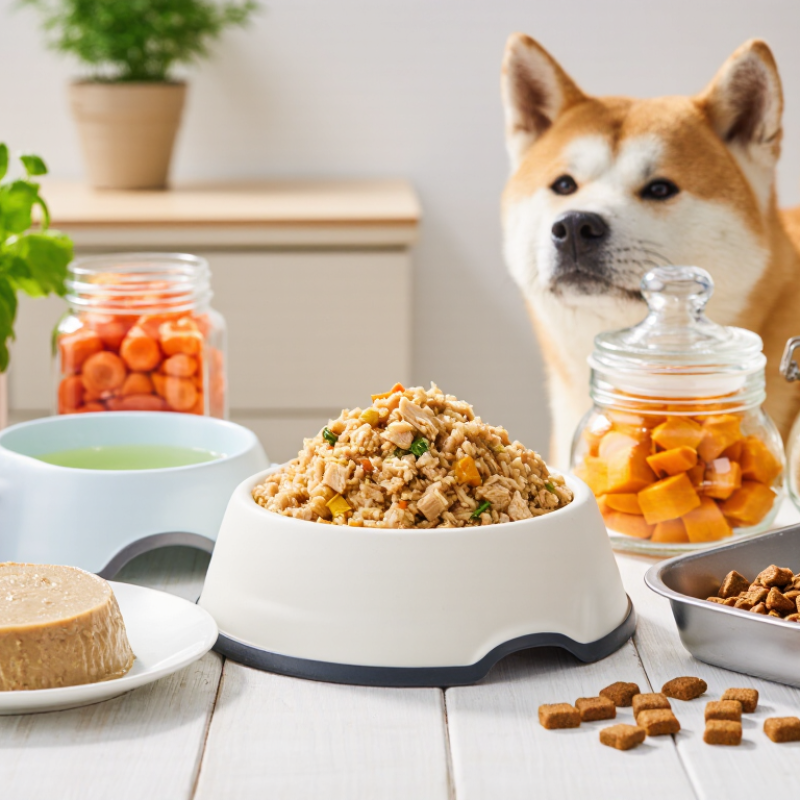
Texture is often the most noticeable difference. Some Chinese-made soft foods have a moist, tender bite that suits older dogs or pets with dental discomfort. Others feel sticky because of excess water or binding ingredients. That detail matters. A dog may enjoy the texture, yet receive less nutrition per serving. I once judged a food by smell alone. That shortcut was wrong. Laboratory nutrient analysis, microbial testing, and feeding guidance offer stronger evidence. Packaging also deserves attention, especially in warm, humid storage conditions. Damaged seals or swollen pouches should never be ignored.

Local ingredient networks may support fresh meat, grains, vegetables, or functional ingredients, but quality can differ between suppliers. Responsible manufacturers usually document supplier checks, production controls, and finished-product testing. Still, paperwork is not proof by itself. I prefer records that can be verified. Pet owners should compare protein sources, calorie density, additives, and their dog’s response over several days. Some dogs thrive on soft food. Others develop loose stools. Gradual changes remain wiser than sudden switches.

What Is the Best Soft Dog Food from China? - What Makes Soft Dog Food from China Different?

The best soft dog food should be selected according to nutritional adequacy, ingredient transparency, moisture level, safety controls, and the dog’s age, size, health condition, and feeding needs. The figures below describe common product characteristics and practical selection criteria rather than any specific company or brand.

Evaluation Dimension Typical Data or Requirement Why It Matters Selection Guidance
Moisture Content Usually about 20%–40% for semi-moist products; canned or retort foods commonly contain approximately 70%–85% moisture. Higher moisture can improve palatability and support overall water intake. Choose the moisture level based on the dog’s hydration needs, eating habits, and storage conditions.
Complete and Balanced Nutrition The label should state that the food is complete and balanced for a specified life stage, supported by a recognized nutritional standard or feeding-trial information. Soft texture alone does not guarantee adequate protein, fat, vitamins, and minerals. Avoid using a product as the sole diet when it is labeled only for intermittent or supplemental feeding.
Protein Level A typical dry-matter protein level for adult dog food is often around 18%–30%, depending on the formula and life stage. Protein supports muscle maintenance, tissue repair, and normal physiological function. Compare protein on a dry-matter basis because high moisture can make the guaranteed analysis appear lower.
Texture and Bite Softness Common formats include loaf, pâté, chunks in gravy, soft sticks, and semi-moist pieces. Soft formats may be easier for puppies, senior dogs, dogs with dental discomfort, or dogs with reduced appetite. Select a texture that the dog can chew safely; soft food does not replace veterinary dental care.
Animal-Based Ingredients Recipes may use poultry, beef, pork, fish, or other animal proteins, either alone or in combination. Animal proteins can provide essential amino acids and influence taste acceptance. Check the complete ingredient list and avoid proteins known to trigger the individual dog’s allergies.
Carbohydrate and Binder Sources Soft foods may contain rice, potato, grains, plant fibers, starches, or functional binders to maintain shape and texture. These ingredients affect digestibility, firmness, energy density, and product stability. Choose a formula that fits the dog’s tolerance and dietary requirements rather than judging quality by grain presence alone.
Preservation Method Retort sterilization, airtight packaging, refrigeration, and approved preservatives may be used depending on the product type. Moist foods are more vulnerable to microbial growth after opening. Follow the storage instructions, refrigerate opened products when required, and discard food showing spoilage.
Manufacturing and Export Controls Responsible facilities should maintain documented ingredient traceability, process controls, sanitation procedures, and batch testing. Consistent controls help reduce contamination, formulation, and labeling risks. Look for batch or lot identification, clear manufacturing information, and compliance with the destination market’s import requirements.
Packaging Formats Common formats include pouches, trays, cans, retort bags, cups, and individually wrapped soft treats. Packaging affects shelf life, portion control, transportation, and convenience. Prefer intact, well-sealed packaging with readable dates and no swelling, leakage, rust, or unusual damage.
Energy Density Calorie content varies widely; it should be stated as kilocalories per kilogram or per serving. Moisture-rich foods can contain fewer calories per gram than dry food, so portions may need adjustment. Use the feeding guide as a starting point and adjust portions according to body condition and activity.
Best Use Cases Suitable applications may include complete meals, meal toppers, training rewards, recovery feeding, or transition diets. Different formats serve different nutritional and practical purposes. Use veterinary guidance for dogs with kidney disease, pancreatitis, severe allergies, or other medical conditions.
What Can Make Products from China Different The market offers a broad range of textures, portion sizes, packaging formats, ingredient combinations, and private-label manufacturing capabilities. Product differences are primarily related to formulation, factory standards, sourcing, processing, and target-market requirements—not country of origin alone. Evaluate each product using its label, testing documentation, traceability, and regulatory compliance rather than relying only on origin.
Practical conclusion: The best soft dog food is one that is nutritionally complete for the dog’s life stage, clearly labeled, safely processed, appropriately packaged, and well tolerated by the individual dog. Always transition gradually and consult a veterinarian when a dog has a medical condition or persistent digestive symptoms.

Which Ingredients Define High-Quality Chinese Soft Dog Food?

What Is the Best Soft Dog Food from China?

Which Ingredients Define High-Quality Chinese Soft Dog Food?

A reliable soft food starts with clearly named animal ingredients, not vague “meat derivatives.” Chicken, beef, fish, or egg should appear specifically. Protein supports muscle, enzymes, and immune function. The 2024 FEDIAF Nutritional Guidelines set adult-dog protein at 18% of dry matter. They also set minimum fat at 5.5% of dry matter. These figures matter because soft food contains much water. A label showing 10% protein may look low, yet its dry-matter value can be much higher. Moisture alone proves nothing.

Look for controlled calcium and phosphorus, plus taurine when appropriate. AAFCO’s 2024 Official Publication provides life-stage targets for calcium, phosphorus, vitamins, and trace minerals. Quality recipes should state complete and balanced nutrition for the intended life stage. Useful additions include fish oil, measured marine omega-3s, soluble fiber, and digestible carbohydrates. Avoid judging quality by a short ingredient list. It can hide nutritional gaps. I would also check batch testing for pathogens, heavy metals, oxidation, and nutrient accuracy. This is where attractive packaging becomes less convincing. Chinese origin is not the deciding factor. Supplier traceability, manufacturing controls, and transparent laboratory results matter more. I still question recipes overloaded with gravy and few named proteins. They may please a picky dog, but palatability is not nutritional proof.

How to Evaluate Safety, Nutrition, and Manufacturing Standards

Choosing the best soft dog food from China starts with verification, not packaging.

I look for a complete-and-balanced statement, batch numbers, ingredient traceability, and laboratory test records. FEDIAF’s 2024 Nutritional Guidelines list adult-maintenance minimums of 18% protein and 5.5% fat on a dry-matter basis. AAFCO’s 2024 Dog Food Nutrient Profiles use the same minimums for adult dogs. Soft food contains considerable water, so the label needs careful reading. For example, 10% protein at 75% moisture equals 40% protein on a dry-matter basis. The calculation is simple, but often overlooked.

Manufacturing controls matter equally. A credible facility should show documented HACCP procedures, supplier approval, pathogen monitoring, and product-retention testing. China’s GB 13078-2017 feed hygiene standard provides a useful domestic reference for contaminants and safety controls. I would also request recent tests for Salmonella, heavy metals, mycotoxins, and excessive vitamin levels. A certificate alone is not enough. Dates, laboratory identity, test methods, and sample numbers should match the production batch.

Texture can reveal practical quality. The food should hold its shape without leaking oil, smell clean, and contain no sharp bone fragments. However, appearance is not proof of nutrition. Some formulas rely heavily on starch or broth, while the label gives little detail about digestibility. That is where my evaluation remains imperfect. Feeding trials, veterinary review, and several weeks of stool observation provide stronger evidence than a single attractive ingredient list. Local licensing, third-party audits, and transparent corrective-action records add useful confidence.

Which Types of Dogs Benefit Most from Soft Food?

What Is the Best Soft Dog Food from China?

Soft dog food can help dogs that struggle with chewing or swallowing dry kibble. Senior dogs with missing teeth often eat more comfortably with a moist texture. Dogs recovering from dental procedures may also need softer meals, but only with veterinary guidance. Puppies changing from milk to solid food can benefit from gentle, easy-to-chew recipes. Some small breeds prefer soft food because their mouths are smaller. However, soft food is not automatically healthier. Dogs with sensitive digestion may develop loose stools if the recipe contains excessive fat or sudden ingredient changes. Choose food labeled complete and balanced for your dog’s life stage.

Tips: Check the ingredient list, guaranteed analysis, production date, and storage instructions. Reliable suppliers should provide clear batch information and laboratory testing records. Look for identifiable animal proteins, suitable fiber, and controlled moisture levels. Avoid products with vague descriptions or damaged packaging. Introduce new food gradually over five to seven days. Watch your dog’s stool, appetite, energy, and skin condition.

A suitable product from China should meet the importing country’s safety requirements and maintain consistent quality between batches. Veterinary advice matters for dogs with kidney disease, allergies, obesity, or chronic stomach problems. Texture can improve mealtime comfort, yet it may increase dental buildup. That trade-off deserves attention. Some owners notice better appetite, but others find soft food spoils quickly after opening. Refrigerate leftovers and use clean utensils. Fancy packaging proves little. Consistent testing matters more.

How to Choose the Best Soft Dog Food from China for Your Dog

What Is the Best Soft Dog Food from China?

How to Choose the Best Soft Dog Food from China for Your Dog

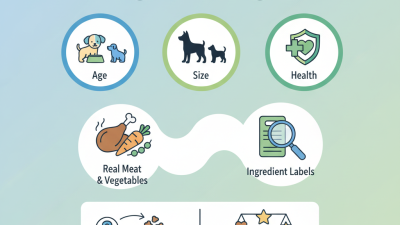
Choosing soft dog food from China requires more than checking texture or price. Start with the ingredient panel. Look for named animal proteins, clear fat sources, digestible carbohydrates, and specific vitamin information. The label should state that the food is complete and balanced for your dog’s life stage. Avoid vague terms such as “meat products” without further details. Soft food also contains more moisture, so compare calories per serving carefully. A small pouch may not provide enough nutrition for a large dog.

Reliable manufacturers should provide production dates, batch numbers, storage instructions, and traceable contact details. Ask for recent testing records covering bacteria, heavy metals, and nutritional consistency. Independent laboratory reports are more useful than attractive packaging. Check whether the factory follows recognized food safety systems and whether the product meets your country’s import requirements. Documents can be incomplete, so verify them rather than trusting a sales message.

Your dog’s health matters more than the country of production. Choose a recipe that matches age, allergies, activity level, and medical needs. Introduce it slowly over seven days, mixing it with the current food. Watch the stool, appetite, coat, and energy. Stop if vomiting or persistent diarrhea appears. My checklist is not perfect. Dogs can react differently, even to carefully tested food. A veterinarian can help assess unusual symptoms or special diets. Fresh water remains essential.