Choosing the best nutrish wet cat food for global buyers requires more than comparing flavors, prices, or attractive packaging. Cats have different ages, health conditions, activity levels, and feeding preferences. A product that suits a healthy adult cat may not suit a kitten or a cat with kidney concerns.
Market demand is also expanding. The American Pet Products Association reported that U.S. pet industry spending reached approximately $152 billion in 2024. Its surveys also show that millions of American households own cats, supporting continued demand for convenient wet food. Global buyers should also consider regional labeling standards, ingredient transparency, import requirements, and local availability. Market reports often group wet cat food with broader pet-food categories, so their growth figures are useful, but not perfectly specific.
Dr. Lisa Freeman, a veterinary nutritionist at Tufts University, offers an important reminder: “There is no one best diet for every pet.” That principle matters when reviewing nutrish wet cat food. Buyers should check whether the formula is complete and balanced, identify its life-stage statement, and examine protein sources, moisture content, calories, and feeding guidance. A glossy label is not enough. Sometimes, the simplest-looking can raises the hardest questions.
This guide compares practical options for different cats and markets. It considers texture, nutrition, packaging, value, and purchasing reliability. However, product formulas and availability can change by country. Veterinary advice remains essential for cats with medical needs. The “best” choice may be imperfect, but it should be safe, appropriate, clearly labeled, and realistic for the buyer’s location.
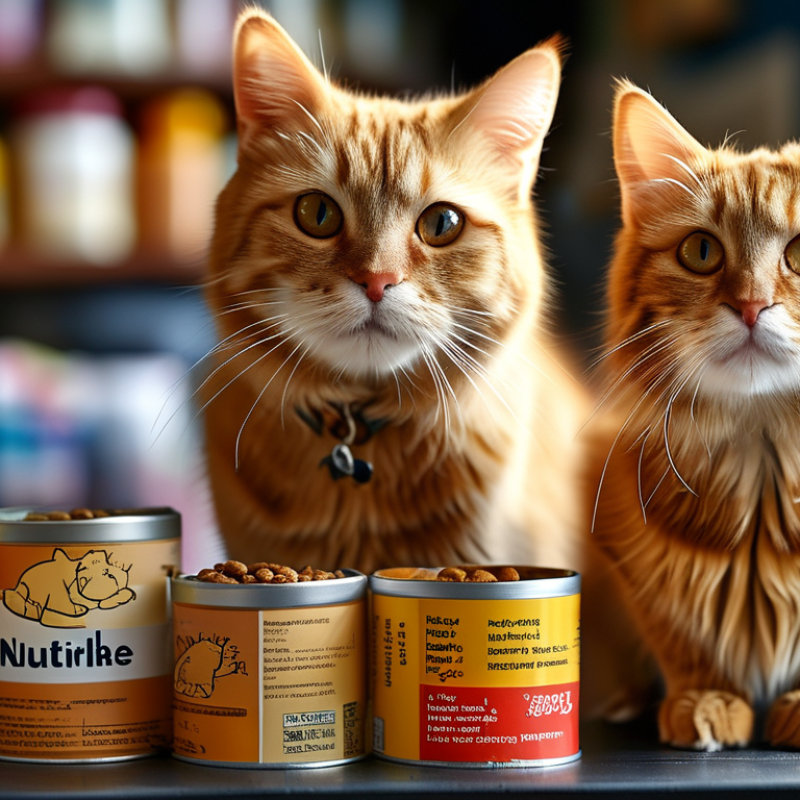
Wet cat food is a moisture-rich meal made for cats that prefer soft textures. It usually combines animal proteins, fats, vitamins, and minerals in a sealed portion. Its high water content may support cats that drink very little. Pâté, chunks, and gravy also serve different chewing preferences. Some cats accept only one texture. That detail is easy to underestimate.
Life stage matters. Kittens need growth-focused nutrition, while adult and senior cats may need different calorie levels. Cats with sensitive digestion may benefit from simpler recipes, but sudden diet changes can cause stomach problems. A complete-and-balanced statement should appear on the package. Buyers should also check feeding guidance, ingredient translations, expiry dates, and local import rules. Nutritional advice from a licensed veterinarian remains more reliable than attractive packaging. No food suits every cat.
Tips: Introduce new food over seven days. Watch stool, appetite, energy, and skin changes. Store opened portions in a refrigerator. Use clean bowls and remove uneaten food promptly. Compare calories, not just can size. A lower price may hide smaller portions. Cats can be surprisingly selective. I would reassess the choice after two weeks, rather than assuming acceptance means ideal nutrition.

When comparing wet cat food for international buyers, I check the ingredient panel before attractive packaging. A named animal protein should appear near the beginning. Chicken, turkey, beef, or fish is more informative than “meat derivatives.” Cats need taurine, arachidonic acid, and preformed vitamin A from reliable sources. Plant ingredients can provide texture, but they should not dominate the recipe.
Moisture matters. Many wet formulas contain roughly 75–82% water, which may support cats that drink very little. I also examine calories per can, protein, fat, and ash. A healthy adult cat may need different energy levels from a growing kitten or an older cat. Look for a clear statement that the food is complete and balanced for the intended life stage. Check feeding guidance in familiar units.
I have sometimes focused too heavily on protein percentage. That was a mistake. Digestibility, smell, texture, and the cat’s response also matter. A glossy pâté may look impressive but remain untouched in the bowl. Observe stool quality, coat condition, appetite, and weight over several weeks. Sudden changes can confuse the assessment. For global purchases, verify the manufacturing country, sealed packaging, expiry date, language requirements, and storage instructions. Formulas and regulations can differ by market, so independent veterinary advice is sensible when a cat has kidney, urinary, or allergy concerns.
Use this comparison framework to evaluate wet cat foods across international markets. Values shown are practical screening benchmarks rather than product-specific claims; always confirm the local label, feeding instructions, and regulatory statement.
| Evaluation Dimension | Useful Benchmark or Target | Why It Matters for Cats | What to Check on the Label | Global-Buyer Relevance |
|---|---|---|---|---|
| Life-stage adequacy | Complete and balanced Choose a statement suitable for adult maintenance, growth, reproduction, or all life stages. |
A complete diet must supply essential amino acids, fatty acids, vitamins, and minerals in appropriate amounts. | Look for a recognized nutritional adequacy statement, such as compliance with the applicable national or regional cat-food standard. | Regulatory wording differs by country. Do not rely on marketing terms such as “premium” or “natural” alone. |
| Animal-derived protein | Prioritize clearly named animal ingredients near the beginning of the ingredient list. AAFCO adult-maintenance minimum crude protein is 26% on a dry-matter basis. | Cats require dietary amino acids such as taurine, arginine, and methionine; animal tissues are naturally useful sources. | Prefer specific names such as chicken, beef, fish, or turkey over vague descriptions. Compare crude protein on a dry-matter basis. | Ingredient names and labeling rules vary internationally, so the guaranteed analysis should be read together with the ingredient list. |
| Moisture content | Many wet foods contain approximately 75–82% moisture, although formulations vary. | High-moisture food can support total fluid intake and may be useful for cats that drink little water. | Check the guaranteed-analysis moisture value and ensure fresh drinking water is always available. | Higher moisture can increase shipping weight and storage costs; unopened packaging should remain shelf-stable when specified. |
| Dry-matter protein comparison | Use: dry-matter protein = as-fed protein ÷ (100 − moisture) × 100. | As-fed percentages can make wet food appear lower in protein because water dilutes the nutrient concentration. | Example: 10% protein and 80% moisture equals 50% protein on a dry-matter basis. | This calculation allows fair comparisons between wet foods and between wet and dry formats in different markets. |
| Fat and energy density | AAFCO adult-maintenance minimum crude fat is 9% on a dry-matter basis; actual healthy diets may contain more. | Fat supplies concentrated energy and essential fatty acids, but calorie needs differ by age, activity, body condition, and health status. | Compare metabolizable energy, usually listed as kcal per can, pouch, or 100 g, rather than judging fat percentage alone. | Serving sizes and calorie units differ by country. Confirm whether the energy value is stated per package or per weight. |
| Taurine provision | Taurine should be deliberately supplied in a complete cat-food formulation; cats cannot synthesize enough taurine to meet normal needs. | Taurine supports normal vision, heart function, reproduction, and bile-acid conjugation. | Check whether taurine appears in the guaranteed analysis or ingredient list, especially in heat-processed or specialty diets. | Exact declaration requirements differ by jurisdiction. A veterinarian should guide supplementation rather than adding taurine independently. |
| Omega-3 fatty acids | Look for marine or other clearly identified sources of EPA and DHA, where appropriate. | EPA and DHA contribute to normal skin, coat, inflammatory, retinal, and neurological functions. | Identify fish oil, algae oil, or named fish ingredients; do not assume that generic “omega oils” provide EPA and DHA. | Check oxidation-control and storage instructions, particularly when products travel through warm climates. |
| Calcium-to-phosphorus balance | For a complete diet, mineral levels should meet the relevant life-stage profile; avoid assessing calcium or phosphorus in isolation. | Both minerals are important for bones, teeth, muscle function, and metabolic processes. Excess or imbalance can be harmful. | Review the nutritional adequacy statement and guaranteed mineral information when available. Do not add bone meal or mineral powders without professional advice. | Mineral declarations and permitted ingredients may vary between regulatory systems. |
| Carbohydrate level | Wet foods often contain less carbohydrate than many dry foods, but the exact level depends on the recipe. | Cats have no established dietary requirement for carbohydrate, although some digestible carbohydrate can provide energy. | Estimate nitrogen-free extract when sufficient label data are available: 100 − protein − fat − fiber − moisture − ash. | Recipe claims such as “grain-free” do not automatically indicate lower carbohydrate or better nutritional adequacy. |
| Ingredient transparency | Prefer a short, clearly named ingredient list with identifiable animal proteins, oils, vitamins, and minerals. | Clear labeling helps buyers identify potential allergens, avoid unwanted ingredients, and compare formulations consistently. | Check for named protein sources, complete additive information, batch or lot identification, and manufacturer contact details required in the destination market. | Use local-language labeling and verify translation accuracy before importing or selling. |
| Texture and palatability | Common formats include pâté, chunks in gravy, minced food, and mousse; nutritional adequacy is more important than texture claims. | Acceptable texture can improve consistent intake, especially for cats with dental, appetite, or age-related preferences. | Check whether the product is a complete meal or a complementary treat or topper. | Consumer preferences vary by region, and texture may affect transport stability and packaging requirements. |
| Safety and storage | Packaging should be intact, properly sealed, and marked with a best-before or expiration date and lot code. | Damaged packaging, improper storage, or prolonged exposure to heat can reduce quality and increase food-safety risk. | Follow the label’s storage instructions. Refrigerate unused portions promptly and discard wet food left at room temperature for an extended period. | For international shipments, assess temperature exposure, shelf life remaining at arrival, import rules, and traceability procedures. |
Practical selection rule: For most healthy adult cats, prioritize a clearly labeled complete-and-balanced wet food with adequate animal-derived protein, appropriate calories, deliberate taurine provision, high moisture, transparent ingredients, and reliable storage and import documentation. Cats with kidney disease, urinary disease, food allergies, obesity, or other medical conditions may require a veterinarian-directed diet.
Comparing wet cat food recipes starts with nutritional purpose, not flavor. FEDIAF’s 2024 Facts and Figures report estimates about 108 million cats in Europe. That scale makes consistent labeling important for international shoppers. Look for a statement confirming “complete” nutrition, rather than “complementary” feeding only. Check the intended life stage, feeding guide, moisture level, and energy per serving. A high-water recipe may support hydration, but it can contain fewer calories per can. That detail is easy to miss.
Product texture also affects practical use. Pâté is smooth and useful for cats rejecting large pieces. Chunks in gravy offer visible moisture and texture. Mousse may suit older cats with weaker chewing ability. Shredded recipes can be appealing, but their sauce may increase serving mess. Compare protein sources, oils, mineral balance, and additives across the full ingredient panel. Do not judge quality from the first ingredient alone. Ingredients are listed by weight, often before cooking. The comparison is imperfect.
Global buyers should also check local feeding standards and language requirements. FEDIAF provides European nutritional guidance, while other markets may follow different regulatory frameworks. Independent laboratory testing is more persuasive than attractive packaging. APPA’s 2024–2025 survey reports that about 58 million U.S. households own cats, showing how widely varied feeding habits can be. A recipe accepted in one market may not match another country’s labeling rules. Keep the original package and transition foods slowly. Even careful comparisons can fail when a cat simply refuses the bowl.
Choosing the best wet cat food starts with your cat, not the package design. FEDIAF’s 2024 report estimates that European households include about 108 million cats. That scale shows why feeding needs vary widely. Kittens require growth-focused nutrition, while older cats may need softer textures and careful calorie control. Check the life-stage statement and feeding guide. They matter more than attractive ingredient claims.
Look for food labeled complete and balanced for your cat’s specific stage. WSAVA nutrition guidance recommends reviewing calorie content, feeding trials, manufacturer expertise, and quality-control practices. Moisture-rich meals can support hydration, especially for cats that rarely visit the water bowl. Still, wet food is not automatically better. Compare protein, fat, minerals, and calories per serving. A small indoor cat may gain weight from one extra pouch daily.
Texture also deserves attention. Some cats prefer smooth pâté; others demand visible pieces in gravy. My own experience suggests that sudden changes often cause refusal or digestive upset. Transition gradually over seven days. Store opened portions chilled, then serve them slightly warmed. A glossy label can still mislead me. Marketing language is not nutritional proof. Export buyers should also confirm local labeling rules, feeding directions, expiry dates, and traceability information. Veterinary advice becomes especially important when a cat has kidney, urinary, digestive, or allergy concerns.
Choosing the best wet cat food for international buyers requires more than comparing flavors. Product safety, shelf life, packaging, and supply reliability matter equally.
During supplier checks, I examine ingredient lists, batch codes, expiration dates, and sealed packaging. Clear labeling helps buyers confirm protein sources, feeding guidance, and storage requirements. I also request recent quality documents and product photographs before placing an order. Small details matter. A blurred date can create unnecessary risk.
Importing pet food requires careful preparation because requirements differ between countries. Buyers should check customs guidance, veterinary rules, language requirements, and approved ingredient standards before shipment. Local distributors can clarify practical issues, but official authorities remain the strongest reference. I prefer trial shipments before larger orders. This reduces waste and reveals delays, damaged cartons, or unexpected fees. My earlier assumption was that identical packaging would work everywhere. It did not.
Storage needs equal attention after arrival. Keep cans and pouches in a cool, dry, clean room, away from sunlight and chemicals. Avoid damp warehouses, extreme heat, and repeated temperature changes. Store older cartons in front and record each batch received. Refrigerate opened portions promptly and use them according to the package guidance. A simple inventory sheet helps prevent expired stock. Mistakes still happen, especially during busy seasons. Regular checks are worth the extra minutes.