Choosing the right nutrish grain free dog food requires more than attractive packaging or a short ingredient list. In 2024, the American Pet Products Association reported that U.S. pet industry spending reached $152 billion, showing how much money owners invest in everyday nutrition. Yet higher spending does not automatically mean better feeding decisions.
The FDA’s investigation into diet-associated canine dilated cardiomyopathy remains an important warning. Its July 2022 update stated that the issue appears complex and may involve multiple factors, including ingredients, formulations, and individual dogs. The American Association of Feed Control Officials also emphasizes checking nutritional adequacy statements, life-stage suitability, and feeding directions. Small details matter.
Dr. Lisa M. Freeman, a veterinary nutritionist at Tufts University, has written, “There is no evidence that grain-free diets provide any health benefits over diets containing grains.” That perspective deserves attention. Grain-free is not automatically superior, but it is not automatically harmful either. Context matters.
This guide examines ten Nutrish options through a practical lens. We consider protein sources, calorie density, fiber, added vitamins, customer feedback, and suitability for different dogs. We also look for clear labeling and complete-and-balanced claims.
Some formulas may fit active dogs with sensitive stomachs. Others may offer too many calories for sedentary pets. A shiny bag cannot reveal everything.
Readers should confirm current recipes, because manufacturers can change ingredients without obvious packaging differences. Dogs with heart disease, allergies, kidney conditions, or unexplained weight loss need individualized veterinary advice. This list is useful, but not perfect. Nutritional judgment still requires observation, updated evidence, and honest conversations with a qualified veterinarian.
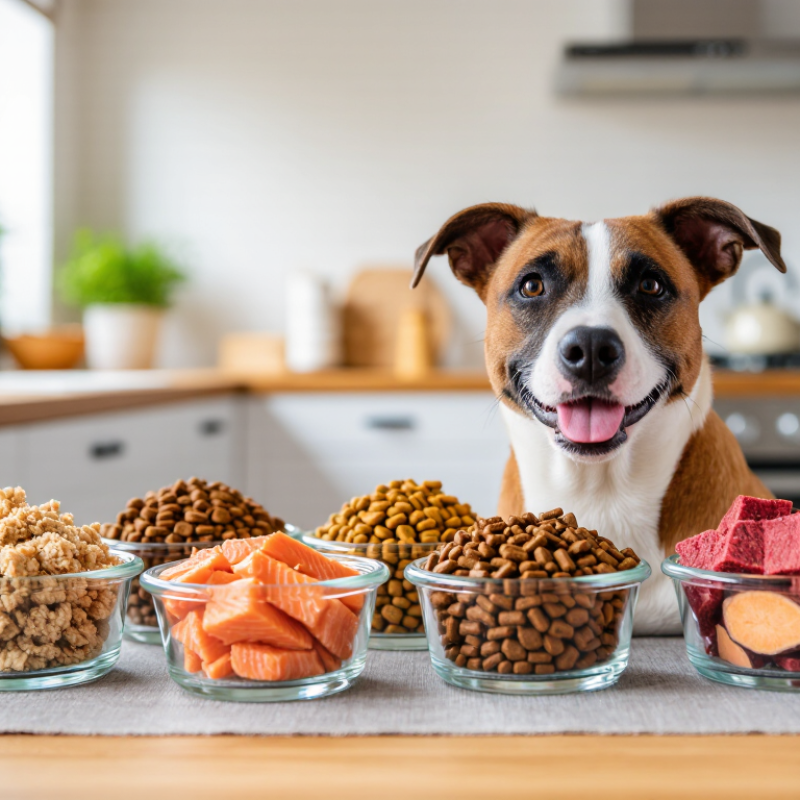
A grain-free dog-food range is easier to understand by category than by marketing language. Typical options include dry recipes, canned meals, puppy formulas, adult maintenance diets, small-breed kibble, and limited-ingredient products. Each category serves a different feeding situation. Puppy food needs controlled calcium and phosphorus. Small kibble suits smaller mouths. Wet food can help dogs with poor appetite or dental discomfort. My experience is that ingredient lists reveal more than front-label claims.
Look for a named animal protein, complete nutritional adequacy, feeding directions, and clear calorie information. AAFCO nutrient profiles provide widely used nutritional benchmarks, but they do not guarantee suitability for every dog. The FDA’s 2022 update on diet-associated canine heart disease found that more than 90% of reported diets contained peas, lentils, or potatoes as major ingredients. The agency also stated that the evidence did not prove causation. That uncertainty matters.
Grain-free is not automatically superior. It may be useful for a diagnosed intolerance, but true grain allergies appear uncommon in veterinary practice. Review protein sources, fiber levels, fat content, and your dog’s stool quality over several weeks.
Watch closely. A shiny coat can hide digestive trouble. Veterinary guidance is especially important for puppies, seniors, and dogs with heart or kidney concerns.

Choosing a grain-free dog food requires more than reading the ingredient list. In my experience, a short list can look impressive but reveal little about digestibility or nutrient balance. Look for a statement confirming the food is complete and balanced under recognized canine nutrition standards. This matters more than marketing language.
Protein should come from clearly identified animal sources, with suitable fat for energy and skin health. Check the calorie content, too. A small dog can gain weight quickly from dense recipes. Fiber from vegetables or carefully handled legumes may support digestion, but excessive peas, lentils, or potatoes should prompt closer review. Grain-free does not automatically mean healthier.
A reliable evaluation also considers taurine, essential fatty acids, calcium, phosphorus, and vitamin levels. Feeding-trial evidence is stronger than a label alone, although it is not perfect. Some dogs thrive on these recipes; others develop loose stools, itching, or unwanted weight gain. I would introduce a new formula gradually and monitor stool quality, coat condition, energy, and body shape for several weeks. Keep notes.
Veterinary input is especially important for dogs with heart disease, kidney concerns, allergies, or unusual dietary needs. Current research has raised questions about some diets rich in legumes or potatoes, but nutrition science is still developing. That uncertainty deserves honesty. A polished package cannot replace careful observation and professional guidance.
The following brand-neutral options are organized by nutritional profile. Values are representative dry-matter targets or label-screening ranges used to compare grain-free dog foods; the individual product label and feeding statement should always be checked before purchase.
| Rank | Grain-Free Formula Profile | Primary Protein Pattern | Crude Protein (Minimum) |
Crude Fat (Minimum) |
Crude Fiber (Maximum) |
Estimated Energy | Key Nutritional Features | Best-Suited Use | Evaluation Status |
|---|---|---|---|---|---|---|---|---|---|
| 1 | Chicken and Turkey Recipe | Named poultry proteins listed among the first ingredients | 30% as-fed | 16% as-fed | 5% as-fed | Approx. 3,650 kcal/kg | Animal-protein-forward formula; includes fish oil or another source of EPA and DHA; calcium and phosphorus should be declared in appropriate amounts. | Healthy adult dogs with moderate activity | Strong overall profile |
| 2 | Salmon and Whitefish Recipe | Salmon, whitefish, or other named fish meals | 28% as-fed | 15% as-fed | 6% as-fed | Approx. 3,550 kcal/kg | Provides marine-derived omega-3 fatty acids; verify that fish oil is preserved properly and that the formula supplies complete and balanced nutrition. | Adult dogs needing a fish-based protein option | High omega-3 potential |
| 3 | Turkey and Pea Limited-Ingredient Recipe | One principal animal protein with a short ingredient list | 26% as-fed | 14% as-fed | 5% as-fed | Approx. 3,450 kcal/kg | Useful for ingredient-trial planning; avoid assuming that a limited ingredient diet is hypoallergenic unless directed by a veterinarian. | Dogs requiring a simpler ingredient pattern | Good for comparison |
| 4 | Beef and Lentil Recipe | Named beef protein supported by legumes | 27% as-fed | 15% as-fed | 6% as-fed | Approx. 3,600 kcal/kg | Check whether several legumes appear high in the ingredient list; nutritional adequacy should be demonstrated through an appropriate feeding statement or formulation standards. | Active adult dogs without beef sensitivity | Check legume balance |
| 5 | Lamb and Chickpea Recipe | Named lamb protein with chickpeas as a carbohydrate source | 25% as-fed | 14% as-fed | 7% as-fed | Approx. 3,400 kcal/kg | Moderate protein and fat levels; review total calories, stool tolerance, and the overall proportion of legumes rather than judging the recipe by a single ingredient. | Adult dogs with average energy needs | Balanced adult target |
| 6 | Duck and Sweet Potato Recipe | Named duck protein with tuber-based carbohydrate | 24% as-fed | 13% as-fed | 6% as-fed | Approx. 3,350 kcal/kg | Sweet potato contributes carbohydrate and fiber; ensure the formula still meets complete-and-balanced nutrient requirements for the intended life stage. | Adult dogs preferring a poultry alternative | Moderate-energy option |
| 7 | Whitefish and Potato Sensitive-Pattern Recipe | Fish-based animal protein with potato as a starch source | 25% as-fed | 12% as-fed | 5% as-fed | Approx. 3,250 kcal/kg | Lower-fat profile than many active-dog formulas; fat content should not be confused with a therapeutic low-fat diet unless a veterinarian confirms it. | Less-active adult dogs needing calorie control | Lower-fat profile |
| 8 | Chicken and Egg Performance Recipe | Poultry protein with egg as a highly digestible animal ingredient | 32% as-fed | 20% as-fed | 4% as-fed | Approx. 3,900 kcal/kg | Higher energy density for increased activity; portion sizes should be adjusted carefully to body condition and exercise level. | Working, sporting, or highly active adult dogs | High-energy profile |
| 9 | Puppy Growth Grain-Free Recipe | Named poultry or fish protein with controlled mineral inclusion | 30% as-fed | 18% as-fed | 4% as-fed | Approx. 3,750 kcal/kg | Must carry a growth or all-life-stages adequacy statement; large-breed puppies require particular attention to controlled calcium, phosphorus, and energy intake. | Growing puppies when the label supports growth | Life-stage specific |
| 10 | Senior Weight-Management Recipe | Lean named animal protein with added fiber sources | 27% as-fed | 10% as-fed | 9% as-fed | Approx. 2,950 kcal/kg | Lower calorie density may support portion control; joint nutrients, taurine, and antioxidants can be useful considerations but do not replace veterinary advice. | Older or less-active adult dogs prone to weight gain | Calorie-conscious choice |
Key standards to verify: Look for a complete-and-balanced nutritional adequacy statement for the correct life stage; compare nutrients on a dry-matter basis when evaluating different moisture levels; confirm calories per kilogram or cup; review protein, fat, fiber, calcium, phosphorus, and omega-3 sources; and discuss grain-free feeding with a veterinarian, particularly for puppies, dogs with medical conditions, or dogs eating diets with substantial legume or potato content.
Choosing among grain-free recipes should begin with the dog, not the label. Puppies need growth-appropriate calories and balanced minerals. Senior dogs often benefit from moderate calories and highly digestible protein. Overweight dogs need measured portions, not simply a “light” package.
For sensitive digestion, select a recipe with familiar proteins and limited ingredients. Introduce it gradually over seven to ten days. Watch stool quality, itching, energy, and body weight. Active dogs may need higher calorie density, while less active dogs can gain weight quickly. AAFCO nutrient profiles provide recognized targets for complete and balanced canine diets, but they do not guarantee every dog will thrive.
Grain-free is not automatically superior. In a July 2019 update, the FDA reported 524 canine dilated cardiomyopathy cases, including 119 deaths, during its diet investigation. The FDA examined diets containing peas, lentils, potatoes, or their derivatives prominently. This did not prove that every grain-free formula causes heart disease. Still, it deserves careful discussion with a veterinarian, especially for breeds with cardiac risks. WSAVA nutrition guidelines also stress qualified formulation, feeding trials, and transparent manufacturer information. Check the adequacy statement. Ask about calories per cup. I would also reassess the recipe after several weeks, because even a carefully chosen food can fail one individual dog.
This chart compares the approximate energy density of common grain-free recipe ingredients. Values are shown as kilocalories per 100 grams and are based on standard USDA FoodData Central entries. Higher-calorie ingredients may suit active dogs, while lower-calorie vegetables can help support weight-management recipes. Actual dog food suitability depends on complete nutrient balance, life stage, health status, and veterinary guidance.
When assessing grain-free dog food, I look beyond attractive protein claims. The first ingredient should identify a specific animal protein, such as chicken, salmon, or turkey. I also check whether the recipe provides balanced amino acids and an adequate calorie level. Peas, lentils, and sweet potatoes may supply carbohydrates and fiber. However, ingredient order alone does not prove nutritional quality. A qualified veterinary nutritionist can interpret the complete formula more accurately. The nutritional adequacy statement matters, too.
Dietary benefits depend on the individual dog. Some dogs may digest selected grain-free recipes well, especially when food sensitivities are carefully confirmed. Shiny coats, firm stools, and steady energy are useful observations at home. Yet these signs can mislead. A dog may appear healthy while missing important nutrients. Grain-free food is not automatically lower in calories or better for allergies. Many formulas replace grains with legumes, and frequent intake of certain formulations has raised concerns about possible links with canine dilated cardiomyopathy. The exact cause remains unsettled. Veterinary guidance is sensible, particularly for dogs with heart disease, poor appetite, or unusual fatigue. My checklist helps, but it is not infallible. Careful monitoring still matters.
Choosing the right grain-free formula starts with your dog, not the package design. Check age, body size, activity level, stool quality, and medical history. A growing puppy needs different nutrient levels than a sedentary adult. AAFCO Dog and Cat Food Nutrient Profiles provide recognized nutrient targets, but they do not replace veterinary advice.
Grain-free does not automatically mean healthier. Some recipes use peas, lentils, or potatoes heavily. In its 2022 update, the U.S. FDA reported 1,382 diet-associated canine dilated cardiomyopathy cases, while noting that the investigation did not prove one simple cause. That uncertainty matters. Choose a complete-and-balanced formula, review calorie density, and ask whether the manufacturer employs qualified nutritionists and tests finished food. A shiny ingredient list can still hide weak quality control.
Tips: Transition over seven days. Mix a small amount into the current food, then increase gradually. Watch for vomiting, persistent loose stool, itching, tiredness, or weight change. Stop and contact your veterinarian if symptoms appear. WSAVA nutrition guidance also encourages checking feeding-trial evidence, nutrient analysis, and company transparency. I would not change a healthy dog’s diet only because “grain-free” sounds cleaner. I once underestimated how quickly a high-calorie recipe could add weight; measuring cups made the mistake obvious. Recheck body condition after two weeks, because labels cannot see your dog’s ribs, waist, or daily energy needs.