7 Best Nutrish Cat Treats to Buy in 2026?
Choosing among Nutrish cat treats can feel simple—until your cat sniffs one and walks away. This 2026 guide compares seven options for different tastes, textures, and everyday routines. It looks at ingredient statements, treat size, feeding directions, and practical value. No single snack suits every cat. Some prefer crunchy bites; others only accept soft morsels. Cats can be wonderfully particular.
Feline nutrition expert Dr. Lisa A. Pierson teaches that “cats are obligate carnivores.” That’s a useful reminder to check the package, not just the front-of-bag claims. Treats should complement a complete diet, not replace it. Keep portions modest, and follow the feeding guidance on the label. Small details matter.
This roundup is intended as a careful shopping guide, not a claim that every product was tested in a home trial. Formulas, availability, and package details may change, so confirm current labels before buying. A treat that looks ideal on paper may still be ignored by your cat. That happens. The “best” choice depends on your pet’s preferences, dietary needs, and response to new foods. Introduce unfamiliar treats gradually, and ask your veterinarian about ingredient concerns or special diets.
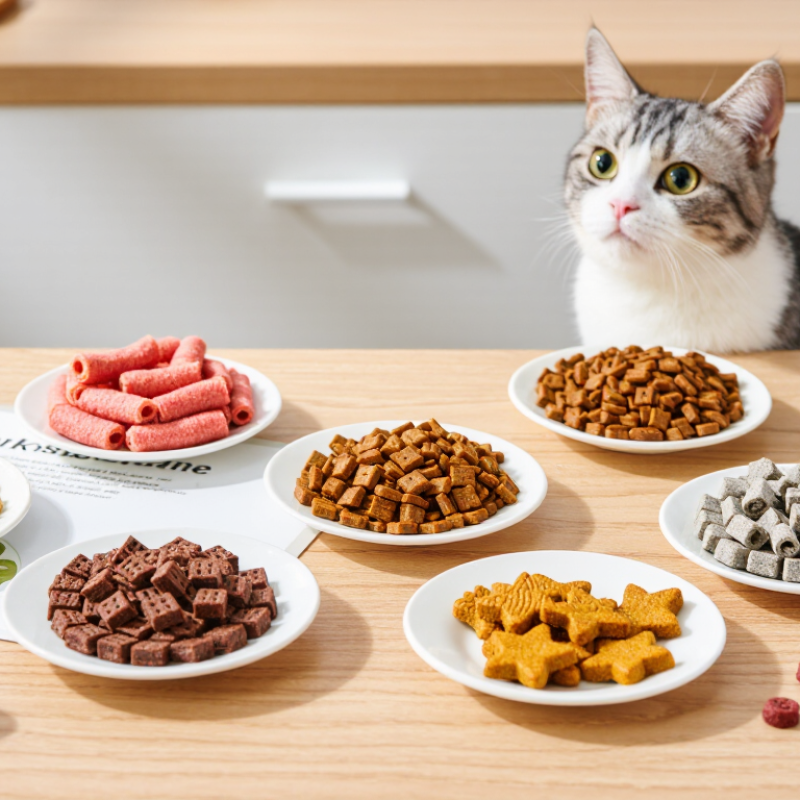
Understanding Nutrish Cat Treats and Their Main Product Types
Cat treats come in several practical forms, and each suits a different moment. Crunchy pieces are easy to portion and can add texture, though they are not a substitute for toothbrushing. Soft chews may work better for older cats or cats with sensitive mouths. Freeze-dried meat treats offer a simple, protein-focused option; check the ingredient list and serving size. Lickable treats are moist and easy to offer from a spoon, but they can add calories quickly. Small details matter.
The U.S. pet industry spent $65.8 billion on food and treats in 2024, according to the American Pet Products Association’s 2025 State of the Industry report. That figure covers many products, not cat treats alone, but it shows how central treats have become in pet care. For everyday choices, compare calories per piece, ingredient sources, and any feeding guidance on the package. Cats with health conditions may need advice from a veterinarian. Not every cat agrees.
Treats should remain a small part of a cat’s diet. The World Small Animal Veterinary Association’s nutrition guidance recommends keeping treats below 10% of daily calories, so a few pieces can matter for a small cat. I would not call one texture universally best; that feels too neat. Watch how your cat chews, whether crumbs are left in the bowl, and how treats fit into the daily calorie budget.
How to Assess Ingredients, Nutrition, and Value
A useful cat treat is more than a flavor your cat likes. Read the ingredient list and note which proteins or other main ingredients appear first. Clear names make comparison easier; vague descriptions leave questions. Check the guaranteed analysis, too, but remember that crude protein and fat figures do not reveal the full nutritional picture. The treat should fit your cat’s needs, not just sound appealing. Small details matter.
Calories can add up quickly, especially when treats are offered throughout the day. Look for calories per piece or serving, then compare that amount with your cat’s usual daily intake. Treats generally should remain a small part of the diet, while complete food supplies essential nutrients. If your cat has allergies, a medical condition, or a prescribed diet, ask a veterinarian before introducing a new treat. Not always convenient, but safer.
Value is not simply the lowest price on the shelf. Compare cost per ounce and estimate how many usable portions each package provides. A large bag may lose its appeal if the treats go stale or your cat refuses them. I would also reconsider buying several flavors before testing one small package; preference can be unpredictable. Check the seal, storage instructions, and expiration date before choosing.
Seven Nutrish Cat Treats to Consider in 2026
Seven treat styles are worth considering in 2026: freeze-dried single-protein bites, crunchy morsels, soft training treats, lickable purées, dental treats, limited-ingredient recipes, and small, lower-calorie snacks. APPA’s 2024–2025 National Pet Owners Survey estimates that about 49 million U.S. households have cats. That wide audience means one texture rarely suits every cat. Some prefer a crisp bite; others lick purée from a spoon. Small portions matter.
For dental treats, look for products accepted by the Veterinary Oral Health Council, rather than assuming crunch alone cleans teeth. WSAVA’s Global Nutrition Toolkit advises keeping treats below 10% of a pet’s daily calories. Check feeding guidance, ingredients, and calories per piece; a few tiny bites can add up.
I would not assume “natural” means complete nutrition. It does not.
A practical test is to offer one new treat at a time and watch for changes in appetite or digestion. Choose pieces that are easy to break, especially for older cats or cats with small mouths. Lickable treats can help with gentle handling, but they are not automatically low-calorie. Labels can be confusing. Ask a veterinarian about treat choices when a cat has allergies, weight concerns, or a prescribed diet.
Choosing Treats for Your Cat’s Age, Taste, and Dietary Needs
A cat’s age can change which treats feel comfortable and useful. Kittens may do best with small, soft pieces they can chew easily. For adult cats, crunchy bites can add texture and variety. Senior cats may prefer softer treats, especially if chewing seems tiring. Watch how your cat handles each piece. A treat left untouched is useful feedback.
Taste matters, but so does portion size. Try a few flavors in small amounts, and notice whether your cat prefers fishy aromas, poultry, or a mild crunch. Tiny portions count. Check the feeding guide and include treats in your cat’s daily calories; even small bites can add up. For cats with food sensitivities, compare ingredient lists carefully and introduce one new treat at a time. That makes a reaction easier to spot, though it cannot identify an allergy by itself. Cats with kidney disease, diabetes, or other dietary restrictions may need veterinary guidance before trying new treats. I would not assume “natural” means suitable for every cat. A simple ingredient list can help, but your cat’s health history matters more.
Serving and Storing Nutrish Cat Treats Safely
Serve treats in a quiet spot, and offer only the amount allowed by the package directions or your veterinarian. Treats add calories, so count them alongside meals rather than handing them out freely. Small portions work. Break larger pieces only if the texture allows, and supervise your cat while it eats. A cat that gulps food may need smaller pieces or fewer treats. It is easy to misjudge how many have been given during a busy day; keeping a small daily portion in a cup can help.
Keep fresh water nearby, and introduce any new treat gradually. Watch for vomiting, diarrhea, itching, or a change in appetite. Stop feeding it and contact your veterinarian if symptoms concern you, especially if your cat has a medical condition or a restricted diet. Cats can be particular, and one uneventful taste does not prove a food will always suit them.
Store the package tightly closed in a cool, dry cupboard, away from sunlight, steam, and household cleaners. Use clean, dry hands or a scoop; damp fingers can leave moisture inside. Check the date and packaging before serving. Discard treats that smell unusual, look discolored, or feel damp or sticky. Keep it simple. I sometimes overlook crumbs at the bottom of a bag, but they deserve the same storage care as whole pieces.