Best Cat Food Options for Healthy Cats Worldwide?
Choosing the right cat food can significantly impact your feline's health. Dr. Lisa Weeth, a renowned veterinary nutritionist, emphasizes, "Quality cat food is crucial for a long, healthy life." Understanding your cat’s dietary needs is essential.
Across the globe, pet owners face the challenge of selecting the best cat food options. With many brands and formulations available, it can be overwhelming. Cats require specific nutrients, such as taurine and omega fatty acids, to thrive. Balanced nutrition promotes a shiny coat and active lifestyle, reflecting the owner's care in their choice of cat food.
Many people assume any food will suffice, but that’s a common misconception. Some cat foods are laden with fillers and artificial ingredients. Poor choices can lead to health issues, such as obesity or dental problems. It's vital to read labels carefully and consult experts. Investing time in selecting high-quality cat food ensures your cat remains happy and healthy.

Overview of Cat Nutritional Needs and Dietary Requirements
Understanding a cat's nutritional needs is crucial for maintaining its health. Cats are obligate carnivores, which means they primarily require protein from animal sources. According to the American Association of Feed Control Officials (AAFCO), adult cats need a minimum of 26% protein in their diet. This protein supports muscle development and overall energy levels. Additionally, fats represent an essential energy source, constituting about 9% of a cat's daily intake.
Vitamins and minerals are also vital for a cat's diet. For example, taurine, an amino acid, is crucial for heart and eye health. Cats cannot synthesize enough taurine on their own, making it an essential dietary component. Other nutrients, like vitamins A and D, help with vision and bone health. Reports indicate that a balanced diet, incorporating these elements, can lead to better immunity and longevity, reducing the risk of chronic diseases.
Despite this wealth of information, pet owners sometimes overlook individualized dietary requirements. Factors such as age, weight, and health conditions significantly affect a cat's specific nutritional needs. Regular veterinary consultations can help identify these needs. It's a complex balance, and sometimes cats show signs of dietary deficiency even in seemingly complete diets. This calls for ongoing assessment and adjustment.
Best Cat Food Options for Healthy Cats Worldwide
This bar chart illustrates the ideal nutritional composition for healthy cats worldwide, showcasing the key components essential for their diet. Ensuring a balanced intake of protein, fat, and other nutrients is critical for maintaining overall health.
Types of Cat Food: Dry, Wet, and Raw Options Explained
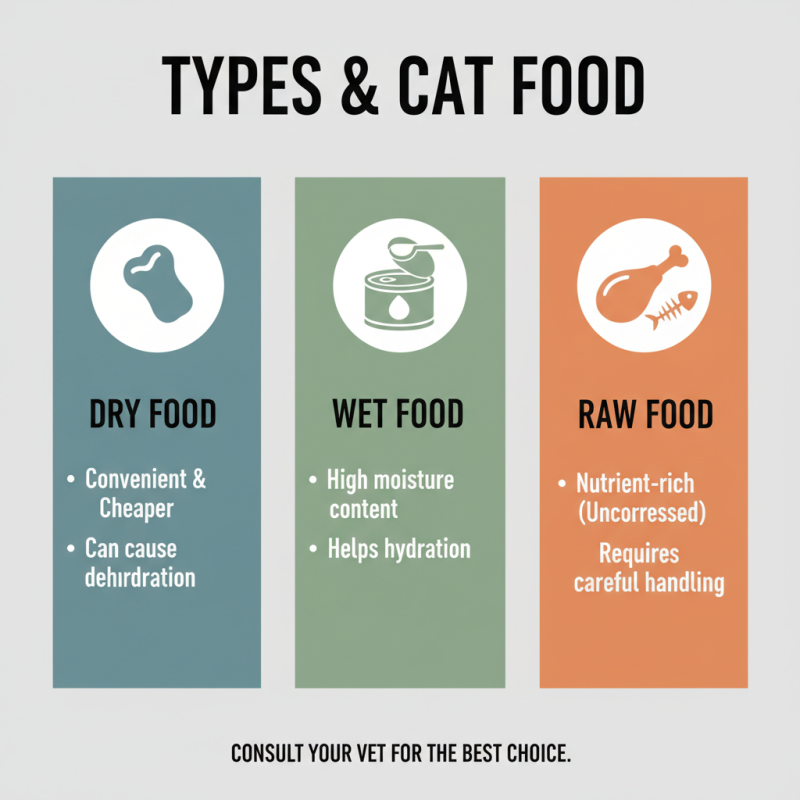
When it comes to feeding your cat, you have several options. Dry food is popular for its convenience. It usually costs less and can be left out for longer periods. However, some cats do not drink enough water, which can lead to health issues.
Wet food, or canned food, is often more appealing to cats. The higher moisture content can help keep your cat hydrated. This option is usually richer in protein. But, it tends to be messier and can spoil if left out too long. Raw diets are another choice. Proponents argue that they mimic a natural diet better. However, there are risks of bacterial contamination. It can also pose nutritional imbalances if not carefully managed.
Choosing the right food for your cat can be daunting. It’s important to consider your cat’s health needs. Consult your veterinarian to explore which diet suits your cat best. Feeding the right type of food contributes significantly to their overall well-being. Each option has its pros and cons, making careful consideration essential.
Top Ingredients to Look for in Quality Cat Food
When selecting cat food, it's essential to focus on top-quality ingredients. A report by the Association of American Feed Control Officials (AAFCO) highlights that the first ingredient in cat food should ideally be animal-based protein. This could include chicken, turkey, or fish, which are vital for your cat's muscle maintenance and overall health. Cats are obligate carnivores, meaning their diet must include meat to thrive.
Additionally, the inclusion of healthy fats, such as omega-3 and omega-6 fatty acids, is crucial. These fats support skin, coat health, and cognitive function. According to a study published in the Journal of Feline Medicine and Surgery, fatty acids can also play a role in reducing inflammation. Fiber is another critical component, ensuring proper digestion. Look for ingredients like beet pulp or pumpkin, which promote a healthy gastrointestinal system.
While many brands boast high-quality ingredients, not all claims are verified. It’s important to scrutinize the food label. Some products may use vague terms like "meat meal", which can lead to confusion about the product's actual quality. Understand that transparency in ingredient sourcing is vital for ensuring your cat receives proper nutrition. Engaging with veterinarians or pet nutritionists can further provide insights into what your specific cat needs.
Best Cat Food Brands Recommended by Veterinarians
When selecting cat food, many pet owners seek advice from veterinarians. This guidance stems from studies showing that proper nutrition is vital for feline health. According to the American Veterinary Medical Association, about 58% of cats in the U.S. are overweight or obese. This alarming statistic emphasizes the need for high-quality cat food.
Veterinarians often recommend diets high in protein and low in carbohydrates. Cats are obligate carnivores, requiring specific nutrients found in animal-based proteins. A 2021 survey showed that 70% of veterinarians preferred foods formulated with real meat as the first ingredient. Despite this knowledge, many pet owners still choose lower-quality options, sometimes due to price or marketing tactics.
Identifying the right food can be challenging. The variety of options available may confuse owners. Nutritional labels can be misleading. For example, terms like "natural" or "holistic" do not guarantee high-quality ingredients. It’s essential to scrutinize nutrient content rather than rely solely on marketing. Understanding your cat's needs is crucial to ensure lasting health. These factors exemplify the complexity of choosing optimal diets for cats, highlighting the importance of veterinary advice.
Best Cat Food Options for Healthy Cats Worldwide
| Nutrient |
Recommended Daily Intake |
Common Ingredients |
Suitability |
Notes |
| Protein |
35-50% of diet |
Chicken, Turkey, Fish |
Adult Cats |
Essential for muscle maintenance |
| Fat |
20-30% of diet |
Fish Oil, Chicken Fat |
Active Cats |
Source of energy and essential fatty acids |
| Fiber |
2-4% of diet |
Pumpkin, Peas, Beet Pulp |
Weight Management |
Aids digestion |
| Vitamins |
Quantities vary |
Vitamins A, D, E, B-complex |
All Cats |
Supports immune function |
| Minerals |
Balanced intake required |
Calcium, Phosphorus, Magnesium |
Senior Cats |
Supports bone health |
Special Dietary Considerations for Cats with Health Issues
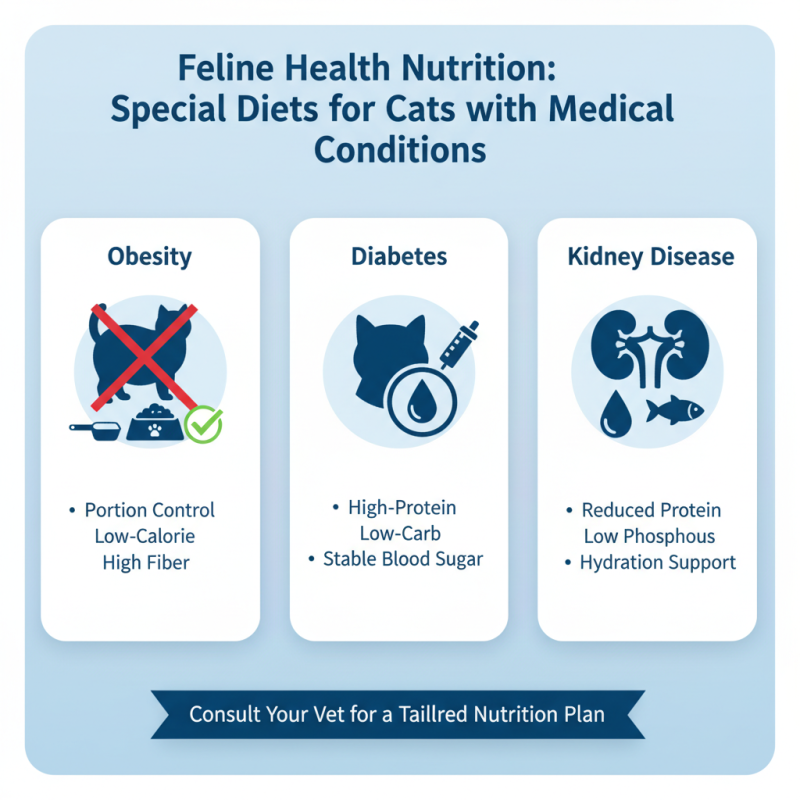
Cats with health issues require special dietary considerations to ensure their well-being. Many cats suffer from conditions like obesity, diabetes, or kidney disease. Each of these conditions demands a tailored approach to nutrition. For example, a cat with diabetes may benefit from a high-protein diet that controls carbohydrate intake. This helps maintain stable blood sugar levels, which is crucial for their health.
Additionally, cats with kidney disease may need low-protein diets but still require essential nutrients. It can be a challenge to find the right balance. Consulting with a veterinarian is vital to create a personalized diet plan. Cat owners often report confusion when selecting the right food. Many options claim to cater to specific needs. It is important to read labels carefully and understand ingredients.
Moreover, some cats may have allergies or sensitivities. Identifying these can be difficult. Monitoring your cat's response to different foods helps in figuring out what works best. It’s an ongoing process, and patience is essential. Not every solution is perfect, and it may take time to find the ideal diet. Regular check-ups and adjustments can lead to better health outcomes for your feline friend.