What Are the Benefits of Biostimulants for Agriculture?
Biostimulants have emerged as a pivotal innovation in modern agriculture. These substances stimulate plant growth, enhancing nutrient uptake and overall plant health. According to a recent report by MarketsandMarkets, the global biostimulants market is projected to reach USD 4.76 billion by 2025, reflecting a growing recognition of their benefits. The rising demand for sustainable agricultural practices amplifies this trend.
The application of biostimulants can lead to improved crop quality and yield. Studies indicate that they can enhance resistance to environmental stress, supporting resilience in variable climates. However, while the advantages are evident, challenges remain. For example, variability in product efficacy and the need for comprehensive regulations can complicate their integration into farming practices.
Recognizing the potential of biostimulants requires ongoing research and adaptation. Stakeholders must consider the diversity of products available. This complexity could lead to misunderstanding or misuse in application. Our understanding of biostimulants must continue to evolve to maximize their impact.
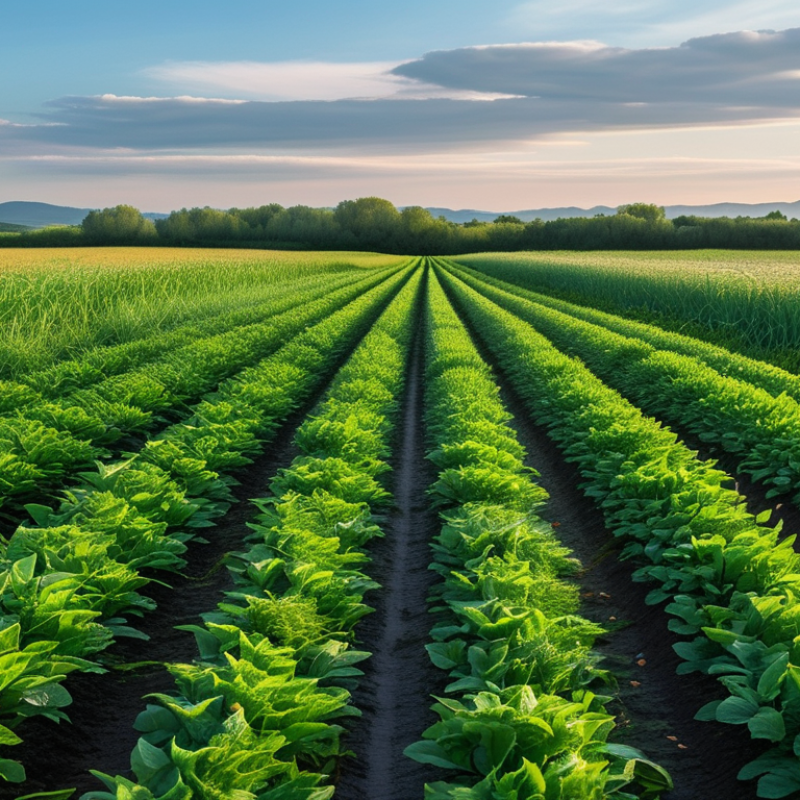
Definition and Overview of Biostimulants in Agriculture
Biostimulants In Agriculture play a significant role in enhancing crop health and productivity. These substances are derived from natural materials. They improve nutrient uptake and soil health. Farmers have used biostimulants for years, but their popularity is rising. This trend reflects a growing focus on sustainable agricultural practices.
Biostimulants contain beneficial microorganisms, enzymes, and extracts. They can boost plant growth by enhancing soil fertility. The application of these products often results in stronger, more resilient plants. Using biostimulants can also reduce the need for chemical fertilizers. This practice promotes a healthier ecosystem, supporting biodiversity.
Tips: When choosing biostimulants, consider local soil conditions. It's essential to understand which products work best for specific crops. Monitor plant growth closely after their application for visible results. Remember, not all biostimulants suit every plant type. Understanding these factors is crucial for successful farming practices.
Types of Biostimulants: Categories and Common Examples
Biostimulants have gained attention in modern agriculture. They enhance plant growth and stimulate soil health. These substances can be categorized into several types. Each category plays a unique role in crop production.
One major type is humic substances. These are derived from organic matter. They improve soil structure and nutrient uptake. Seaweed extracts fall into another category. They contain growth hormones that promote root development. Finally, beneficial microorganisms, like mycorrhizal fungi, improve nutrient absorption and enhance plant resilience.
Not all biostimulants work equally well. Their effectiveness can depend on environmental conditions. For instance, certain biostimulants may thrive in moist soils, while others may be less effective in dry conditions. This variability makes it crucial to conduct trials before large-scale application. Understanding these nuances can lead to better crop management and higher yields. However, reliance on these products without proper assessment may yield less than optimal results.
Benefits of Biostimulants in Agriculture
This chart illustrates the percentage of key benefits derived from the use of biostimulants in agriculture.
Mechanisms of Action: How Biostimulants Enhance Plant Growth
Biostimulants play a crucial role in modern agriculture. They enhance plant growth through various mechanisms of action. These substances improve nutrient uptake, stimulate root development, and enhance soil microbial activity. When applied, biostimulants help plants manage stress better. They promote resilience against drought and salinity. This is particularly important in changing climates.
One key mechanism is the stimulation of beneficial microorganisms in the soil. These microbes work symbiotically with plant roots. They break down organic matter, releasing essential nutrients. This process leads to improved soil health and increased fertility. Biostimulants also activate plant defense mechanisms, making them better equipped to resist pests and diseases. They create a more balanced ecosystem in the soil.
However, the effectiveness of biostimulants can vary. Factors such as soil type, climate and application methods play a role. Some farmers may notice significant improvements, while others might see little difference. This variability highlights the need for more research. Understanding these nuances is crucial for maximizing the benefits of biostimulants in agriculture.
Benefits of Biostimulants: Impact on Crop Yield and Quality
Biostimulants have garnered attention for their significant impact on crop yield and quality. These substances promote plant growth by enhancing nutrient uptake and improving resilience to stressors. Farmers using biostimulants often observe healthier plants that can withstand adverse weather conditions. Enhanced root systems are a common benefit, enabling better access to water and nutrients.
Research shows biostimulants can boost crop quality. Plants treated with these products often exhibit improved flavor, higher nutrient content, and better storage life. Such improvements can lead to higher market prices. Additionally, biostimulants can reduce the need for chemical fertilizers, contributing to more sustainable farming practices.
However, the benefits are not universal. Results may vary based on crop type, soil conditions, and application methods. Some farmers report mixed outcomes, suggesting that more research is needed. Understanding how to optimize biostimulant use remains a challenge. Balancing innovation with traditional practices is crucial for maximizing the potential benefits in agriculture.
Environmental Sustainability: Biostimulants in Eco-Friendly Farming Practices
Biostimulants play a crucial role in eco-friendly farming practices. These substances enhance plant growth and resilience without relying heavily on synthetic fertilizers. According to a report by the European Biostimulants Industry Council, the global biostimulant market is projected to reach $6.16 billion by 2025. This indicates a strong shift towards sustainable agriculture.
Implementing biostimulants can lead to improved soil health. Healthy soil holds nutrients better and adheres to moisture, reducing the need for constant irrigation. Studies show that biostimulants can increase crop yields by up to 15%, while contributing to lower carbon footprints. Farmers can significantly reduce chemical input costs and promote biodiversity with these natural solutions.
Tips: Start by integrating biostimulants gradually into your farming practices. Monitor soil health and crop performance closely. These adjustments may not show immediate results, requiring patience and careful observation. Analyze your farm's specific needs to fully understand the benefits biostimulants can offer. Balancing these aspects can lead to more sustainable outcomes.