Choosing a Seaweed Extract Fertilizer supplier in 2026 takes more than comparing prices or attractive labels. Buyers need clear ingredient information, consistent quality, practical application guidance, and evidence that matches their crops and growing conditions. A dark liquid in a sample bottle may look convincing. Its appearance alone proves little.
Seaweed researcher Dr. James S. Craigie reviewed the use of seaweed extracts in plant science and agriculture. A practical takeaway from his work is that these products should be assessed as variable biological inputs, not guaranteed yield boosters. This is a paraphrase, not a verbatim quotation. Details matter. Ask suppliers which seaweed species they use, how they process it, and whether batch specifications are available. Also check whether trial results identify the crop, application rate, and comparison method. One field result rarely tells the whole story.
This guide to the 2026 Best Seaweed Extract Fertilizer Suppliers will examine product transparency, manufacturing consistency, technical support, and value. It will also consider a less comfortable question: do supplier claims remain convincing when conditions change? Salt exposure, storage, dilution, and timing can affect real-world use. A supplier may offer responsive support, yet still provide limited independent data. That matters. The strongest choice is not automatically the biggest brand or the cheapest drum. It is the supplier that explains what its product can—and cannot—reasonably do, then backs those explanations with verifiable details.
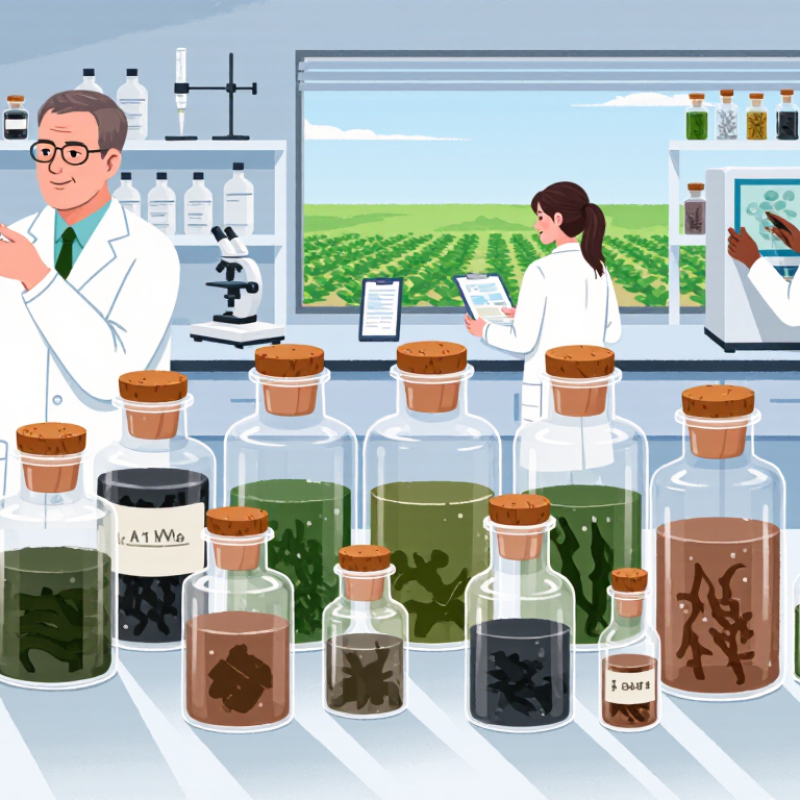
Seaweed extract fertilizer is made from marine algae and is commonly used as a plant biostimulant. Depending on the product, it may contain small amounts of nutrients and natural compounds that support root development and plant responses to environmental stress. Its nutrient content varies, so it should not be treated as a complete fertilizer or a substitute for soil testing. It is not magic. Results depend on the crop, growing conditions, and application method.
Gardeners and growers may apply a diluted extract to leaves or around roots, following the label directions. For example, a foliar spray should coat leaves lightly rather than run off them. Avoid mixing it with other inputs unless compatibility is confirmed. Use less. Overapplication can waste product and may harm sensitive plants. When comparing suppliers, look for clear ingredient information, batch consistency, and practical guidance on dilution and storage. A careful trial on a small group of plants is sensible; performance can be uneven, and that uncertainty deserves attention.
A supplier’s product sheet is a starting point, not proof of consistency. The FAO’s 2024 report recorded 37.8 million tonnes of global algae production in 2022, with about 97% coming from aquaculture. That scale makes traceability important: ask where the seaweed was harvested or farmed, which species it contains, and how each batch is processed. Good answers should be specific. “Natural extract” is not enough.
Request a recent, batch-specific certificate of analysis. Check the declared nutrients, pH, soluble solids, and relevant contaminants, including heavy metals. Ask how results are measured and whether an independent laboratory verifies them. Extraction methods can change the product’s composition, so request processing details and storage guidance too. That sounds simple. It isn’t. Compare documents against the actual label, and ask the supplier to explain any mismatch.
Then test the product under your own growing conditions. Use a small treated area and an untreated comparison, keeping irrigation and other inputs alike. Record application rate, crop stage, weather, and visible responses; take photographs from the same spot each week. Ask suppliers for trial data on crops similar to yours, not just broad yield claims. Results can vary with soil and climate, and a promising first trial may not repeat. A cautious supplier will discuss limits as readily as benefits.
Seaweed-extract suppliers generally fall into three groups: extract manufacturers, ingredient processors, and regional formulators or distributors. Manufacturers process harvested seaweed into crude or refined extracts. Processors may standardize those extracts, while formulators blend them for particular application equipment or crops.
FAO’s State of World Fisheries and Aquaculture 2024 reports 37.8 million tonnes of global algae production in 2022, mostly farmed. That scale shows a substantial raw-material base, but it does not guarantee consistent fertilizer quality.
Product format affects handling. Liquid concentrates are easy to measure and dilute, but buyers should check storage stability and dilution instructions. Soluble powders reduce shipping weight; still, confirm that they dissolve fully in the intended water. Granules can suit soil application, though their release behavior depends on formulation.
Small details matter. Request a recent batch certificate, seaweed species, extraction method, and declared nutrient analysis. Also ask about sodium content and insoluble residue, especially when using drip lines.
A tidy specification sheet helps, but it cannot replace a small compatibility test. I would not assume two products are equivalent just because both say “seaweed extract.”
Choosing a seaweed extract supplier in 2026 means checking what is inside each drum, not just the sales sheet. The FAO’s 2024 State of World Fisheries and Aquaculture reports 37.8 million tonnes of algae production in 2022. This broad category is not fertilizer-grade extract, so the figure says little about any supplier’s product quality. Ask for species identity, extraction method, batch-specific nutrient analysis, pH, electrical conductivity, and contaminant results. Numbers matter. Compare batches, since color and odor alone reveal little.
Certifications deserve the same scrutiny. ISO 9001 indicates a quality-management system; ISO/IEC 17025 accreditation applies to laboratories and their defined testing scopes. Neither proves field performance. Check the certificate’s scope and expiry date, and verify that the lab’s report matches the product batch. A supplier should explain storage limits, dilution rates, crop-stage guidance, and possible sediment or nozzle blockage. Good support is specific. Request trial protocols and written follow-up, not just a generic yield claim. Compare guidance with your soil and water tests. A certificate alone can still leave gaps, and small on-farm trials may not settle every question.
A buyer-defined framework for comparing supplier quality, certifications, and support
Suggested evaluation weights: product quality and consistency (35%), certifications and regulatory compliance (25%), traceability (20%), and technical support (20%). These are proposed buyer priorities, not measured supplier scores or market-survey results. Verify product analyses, certificate scope and validity, batch traceability, and the availability of application guidance when comparing suppliers.
The right seaweed extract supplier depends on the crop, delivery method, and growing conditions. A foliar spray for greenhouse tomatoes needs reliable solubility and fine filtration. A soil drench for orchards may call for different concentration and application guidance. Ask suppliers for crop-specific trial results, extraction details, and batch certificates showing key composition measures. A generic “high in nutrients” claim is not enough.
Scale is substantial. FAO’s The State of World Fisheries and Aquaculture 2024 reports 37.8 million tonnes of aquatic algae production in 2022, mostly seaweeds. That figure describes production volume, not extract quality. Keep that distinction clear. Compare suppliers’ sourcing regions, harvest seasons, and batch-to-batch consistency; brown seaweed from different waters or processing runs may not behave identically. Small differences matter.
Match the formulation to farm equipment and timing. For drip irrigation, confirm compatibility and ask about clogging risk. For foliar use, request dilution guidance and test a small plot before wider application. Practical evidence beats polished brochures. A supplier may offer strong lab data but limited local field experience. That gap deserves questions, not assumptions. Ask for trial conditions, crop stage, and untreated comparisons, then judge results against your own soil and water.