Choosing the right dry dog food supplier in 2026 requires more than comparing prices or reviewing attractive product photos. Global buyers must examine nutrition, ingredient traceability, manufacturing controls, export experience, and communication quality. A reliable supplier should provide complete specifications, updated test reports, clear packaging details, and practical answers about shelf life.
This guide explores leading suppliers for importers, distributors, private-label brands, and large retailers. It considers production capacity, recipe flexibility, minimum order quantities, quality assurance, and international shipping support. Factory audits, product samples, and independent laboratory testing remain valuable. Certificates help, but they should not replace direct verification.
Details matter.
A strong supplier can explain where its proteins, grains, oils, and supplements originate. It should also describe how each batch is tested before release. Buyers may need to check labeling rules, registration requirements, customs documents, and local pet-food regulations in their target markets. These requirements can vary widely.
No supplier remains perfect for every buyer. A factory with excellent recipes may offer limited packaging options. Another may provide competitive pricing but slower communication. Rankings can also change as capacity, certifications, freight costs, and quality records develop. That uncertainty deserves attention. This overview therefore focuses on evidence, not exaggerated promises. It aims to help global buyers compare suppliers carefully, reduce avoidable sourcing risks, and select dry dog food partners suited to their markets, budgets, and long-term growth plans.
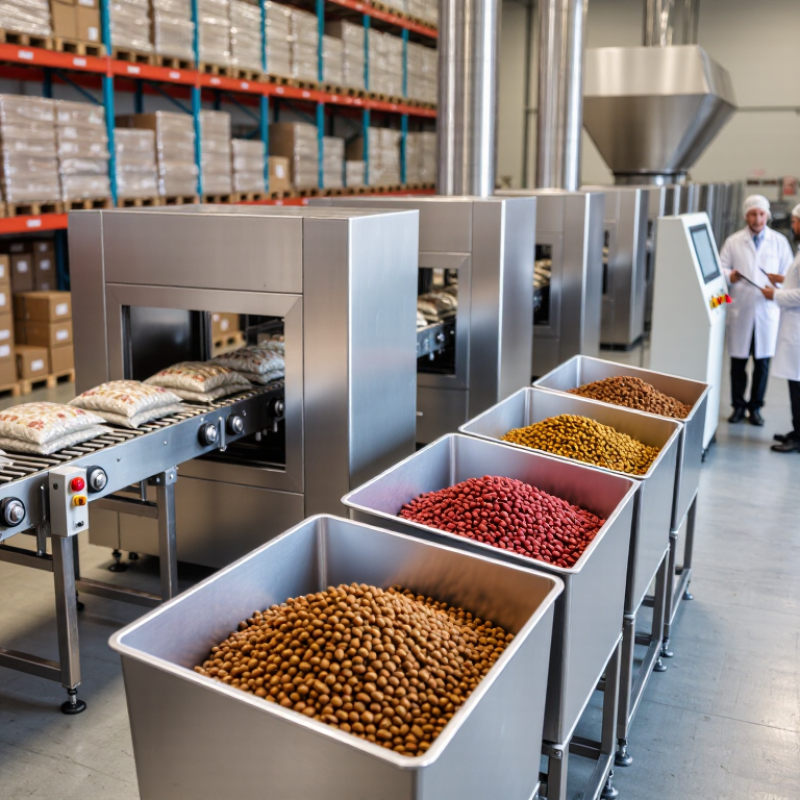
A reliable dry dog food supplier in 2026 should make quality visible, not merely promise it. Global buyers need traceable ingredients, stable formulations, and records that survive close review. Ask where each protein, grain, oil, and supplement originates. Request batch codes, laboratory results, and shelf-life data before placing a large order. Clear answers matter. Vague answers do not.
Supplier expertise appears in more than attractive packaging. A capable technical team can explain nutrient targets, processing temperatures, moisture control, and storage conditions in practical language. Independent testing should cover safety, nutrition, and contamination risks under applicable market requirements. Facility audits, documented sanitation, and controlled change procedures add confidence. Yet certificates alone are not enough. Documents can become outdated.
Reliable partners also manage unglamorous details: realistic lead times, export paperwork, protective packaging, and responsive complaint handling. Ask how they investigate a damaged bag or an unusual test result. Their answer reveals operational maturity. I would test a small shipment first. That step costs time. It may prevent expensive surprises. No audit is perfect, and even experienced buyers can miss weak points. Review supplier performance after every shipment, including odor, kibble size, delivery condition, and customer feedback. In 2026, trust should be measurable, revisable, and earned batch by batch.
| Evaluation Dimension | What a Reliable Supplier Should Demonstrate | Evidence to Request | Buyer Verification Step |
|---|---|---|---|
| Regulatory compliance | Can identify the rules applicable to the manufacturing site, product, and destination market. Requirements differ by country and may include facility registration, feed hygiene, ingredient controls, and labeling rules. | Relevant registrations or licenses, market-specific label review, and a written regulatory responsibility matrix. | Confirm requirements with the importing-country authority or a qualified local regulatory adviser; do not treat a certificate as universal approval. |
| Food-safety controls | Uses documented hazard analysis, preventive controls, sanitation, pest management, and corrective-action procedures appropriate to the product and facility. | Food-safety plan overview, audit reports or certificates where applicable, sanitation records, and examples of corrective-action closure. | Check scope, issuing body, facility address, validity dates, and any exclusions; third-party certification is not automatically a substitute for legal compliance. |
| Ingredient traceability | Can link finished-product lots to production records and relevant ingredient suppliers, with a defined process for investigating and isolating affected lots. | Sample lot-trace records, ingredient approval procedures, supplier-monitoring policy, and recall contact process. | Run a traceability exercise using a sample lot and confirm the records identify affected product and distribution details. |
| Nutritional adequacy | Formulates for the stated species and life stage, and can explain the nutritional basis for the product’s intended use and label claims. | Complete formulation specifications, nutrient analysis, feeding-trial information if claimed, and review by a qualified animal-nutrition professional. | Check that claims and nutritional statements meet destination-market rules. AAFCO nutrient profiles and FEDIAF guidance are frameworks, not interchangeable global approvals. |
| Testing and quality assurance | Applies documented specifications and risk-based testing to ingredients and finished food, and investigates results that fall outside specification. | Recent certificates of analysis, test methods, sampling plan, laboratory details, and nonconformance records with corrective actions. | Match reports to product and lot; confirm units, test scope, and acceptance criteria rather than relying on a generic sample report. |
| Manufacturing consistency | Controls key process parameters, monitors finished-product characteristics, and manages formulation or process changes through documented approval. | Process-control overview, product specifications, change-control procedure, and batch-release criteria. | Agree in writing which changes require advance notice and approval, including ingredient, formulation, facility, and packaging changes. |
| Shelf life and packaging | Supports the stated shelf life with product-specific stability evidence and packaging suitable for the expected storage and transport conditions. | Shelf-life rationale, storage instructions, packaging specifications, and seal or package-integrity checks. | Confirm remaining shelf life at dispatch, date-coding format, and responsibility for damage or deterioration during transit. |
| Export documentation | Can provide accurate shipment and product documents required for the specific route, product, and importing-country rules. | Sample commercial invoice, packing list, origin information, product specifications, and any applicable health or export certificates. | Have the importer or customs broker confirm document requirements before production and shipment; requirements can vary by destination and ingredient origin. |
| Capacity and delivery planning | Provides realistic production and shipment plans, communicates constraints promptly, and explains how orders are prioritized during disruptions. | Written lead-time assumptions, capacity confirmation for the requested order, production calendar, and contingency process. | Validate lead time, minimum order quantity, forecast commitments, and delivery terms for the specific product and destination; these vary by supplier and order. |
| Commercial transparency | States product specifications, pricing assumptions, payment terms, ownership of artwork or tooling, and dispute procedures clearly in writing. | Itemized quotation, draft supply agreement, approved product specification, and written allocation of quality responsibilities. | Ensure the contract covers specification changes, rejected goods, recalls, delivery delays, and document retention. |
Note: Regulatory and import requirements depend on the destination market, product composition, manufacturing site, and trade route. Verify current requirements before placing an order.