Choosing the best dog chews in 2026 requires more than picking the hardest product on the shelf. Healthy teeth depend on safe chewing, regular brushing, suitable nutrition, and professional veterinary care. A chew may reduce plaque, but it cannot replace daily dental cleaning or a complete oral examination.
Veterinary dental specialist Dr. Jan Bellows offers a practical safety rule: “If you cannot indent it with your fingernail, it is too hard.” This simple test matters because extremely hard chews can fracture teeth, especially in powerful chewers. A safer option should match your dog’s size, age, chewing style, and health history. Look for clearly listed ingredients, appropriate calories, reliable manufacturing, and products recognized by the Veterinary Oral Health Council when dental claims are important.
Supervision remains essential.
This guide compares popular dog chews through an experience-based and evidence-aware lens. We will examine dental texture, digestibility, choking risks, ingredient quality, odor, durability, and real-world value. We will also consider puppies, senior dogs, sensitive stomachs, and dogs with missing or damaged teeth. Some recommendations may seem obvious, yet many owners overlook chew size and calorie intake. I have learned that “natural” does not automatically mean safe, and long-lasting does not always mean tooth-friendly. No product is perfect. The best choice is the one your veterinarian approves and your dog can enjoy without cracked teeth, digestive trouble, or constant supervision concerns.
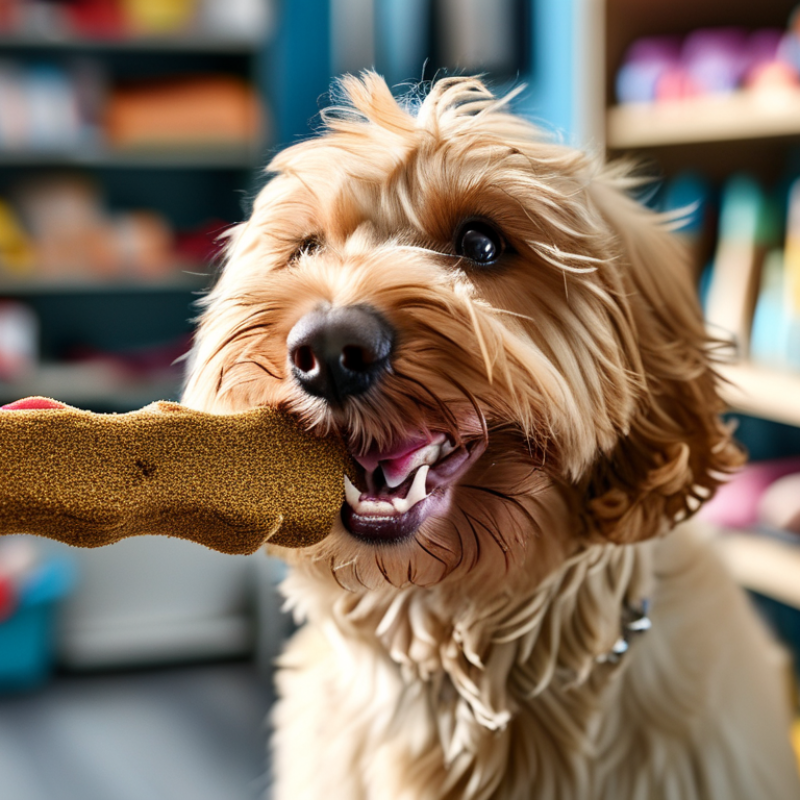
A healthy dog chew should clean teeth without damaging them. The right texture is firm enough to rub against tooth surfaces, but not rock-hard. If you cannot press it slightly with a fingernail, it may be too hard. Broken teeth can cause pain, infection, and expensive treatment. A chew should also match your dog’s size, chewing strength, and age. Small pieces can become choking hazards, especially for fast eaters.
Look for simple, clearly listed ingredients and moderate calories. Some chews contain excess salt, sugar, or unclear additives. Daily use should not replace brushing, dental checks, or balanced meals. Veterinary dental guidance remains important, particularly for dogs with gum disease, missing teeth, or sensitive stomachs. Watch your dog during every chewing session. Remove the chew when it becomes small, sharp, slimy, or heavily worn. Clean storage matters too. Moist chews can develop mold if left in a warm room.
I used to think the hardest chew lasted longest, so it must be better. That assumption was wrong. A longer-lasting product is not automatically safer. My more careful approach is to observe the dog, not just the package. Does the dog chew calmly? Are the gums bleeding? Is the stool normal afterward? Even a seemingly suitable chew can fail for one individual dog. Slow changes and regular inspection are wiser than trusting a universal “best” choice.
2026 Best Dog Chews for Healthy Teeth and Happy Dogs?
How Different Dog Chew Materials Support Dental Health
A dog chew works through texture, resistance, and repeated contact with the teeth. Flexible rubber can massage the gums while helping loosen soft plaque during chewing. Choose a size that cannot fit completely inside your dog’s mouth. It should bend slightly under pressure. Very hard materials, including dense nylon, antlers, and bones, may crack teeth, especially in powerful chewers. A simple test helps: if you cannot press a mark with your fingernail, the chew may be too hard.
Edible chews made from collagen or carefully processed animal ingredients can offer chewing time and some surface cleaning. However, they disappear quickly and may add calories. Fiber-based chews may feel rough enough to scrub teeth, but their quality and digestibility differ. I once assumed a longer-lasting chew was always better. It was not. My dog developed gum irritation after repeated use, so I learned to inspect the mouth, not just the toy. Dental chews support hygiene, but they cannot replace brushing or professional veterinary examinations.
Tips: Watch your dog during every chewing session. Replace damaged pieces immediately. Check for bleeding gums, broken teeth, choking, or stomach upset. Match the material to chewing strength, body size, and age. A veterinarian can recommend safer options when dental disease, missing teeth, or sensitive gums are present. Fresh water matters too. It supports normal mouth function.
| Chew Material | How It May Support Dental Health | Typical Firmness | Chewing Duration | Main Benefits | Key Safety Considerations | Best Suited For |
|---|---|---|---|---|---|---|
| Rubber | Flexible surfaces can help scrape some soft plaque as the dog chews, especially when the toy has ridges or grooves. | Medium to firm | Long-lasting for many moderate chewers | Durable, washable, and often suitable for stuffing with food to encourage chewing. | Choose a size that cannot be swallowed. Replace it if pieces are missing or the surface becomes damaged. | Most dogs, including many power chewers when the product is appropriately rated. |
| Nylon | Textured surfaces may provide mechanical abrasion against tooth surfaces during chewing. | Firm to very firm | Long-lasting | Resistant to rapid wear and available in textured shapes. | Very hard nylon can fracture teeth, particularly in aggressive chewers. Stop use if sharp edges or large flakes develop. | Dogs that prefer firm chews, provided owners regularly inspect teeth and the chew. |
| Dental-Textured Edible Chew | Chewing action and an uneven surface may help reduce loose food debris and soft plaque. | Soft to medium | Short to moderate | Digestible options can provide enrichment and may be easier to chew than hard materials. | Calories vary. Supervise chewing, select the correct size, and avoid products that become a choking hazard when softened. | Small to moderate chewers and dogs that prefer edible rewards. |
| Rawhide | Extended chewing may create some mechanical cleaning, but it does not replace toothbrushing or professional care. | Medium | Moderate to long, depending on thickness | Can satisfy a natural chewing instinct and may keep some dogs occupied. | Large pieces may cause choking or digestive obstruction if swallowed. Quality, processing, and digestibility vary. | Dogs that chew carefully and are closely supervised. |
| Dental Treat | Many are shaped or textured to increase tooth contact; some formulas also contain ingredients intended to support oral freshness. | Soft to medium | Short, usually eaten within minutes | Convenient, portionable, and often easier to include in a daily routine. | Account for calories and choose a size appropriate for the dog's body weight. Benefits depend on regular use and chewing behavior. | Most dogs, including those that do not enjoy hard toys. |
| Rope | Fibers can rub against some tooth surfaces while the dog chews or plays tug, but cleaning is inconsistent. | Soft to medium | Short to moderate | Useful for interactive play and enrichment; washable varieties can be practical. | Loose strands may be swallowed and can cause gastrointestinal problems. Remove the rope when it begins to unravel. | Dogs that enjoy supervised tug and interactive play. |
| Wood | Hard surfaces may create chewing friction, but they do not provide a reliably safe dental-cleaning method. | Firm to very firm | Moderate, depending on the wood | Natural texture and strong chewing appeal for some dogs. | Splinters, sharp fragments, mouth injuries, and intestinal blockage are possible. Avoid treated, painted, or brittle wood. | Generally not preferred when safer alternatives are available. |
| Antler or Bone | Although chewing may remove some surface debris, extremely hard materials offer a substantial tooth-fracture risk. | Very hard | Very long-lasting | Highly durable and attractive to dogs that seek intense chewing. | The hardness can fracture teeth. Bone may also splinter, and marrow-rich products can be high in fat. | Not recommended as a routine dental chew because the risks often outweigh the cleaning benefit. |
| Frozen Food-Filled Toy | Encourages prolonged licking and chewing; the toy's ridges may provide light mechanical contact with teeth. | Soft to firm | Moderate to long | Provides enrichment and can slow eating when filled with suitable food. | Use a durable, correctly sized toy and avoid fillings that are unsafe or excessively high in calories. | Dogs that enjoy food-based enrichment and moderate chewing. |
Dental chews can support daily oral-care routines, but they cannot replace regular toothbrushing, veterinary dental examinations, or professional treatment of periodontal disease. Always supervise chewing and remove any chew that becomes small enough to swallow or develops sharp pieces.
Puppies need gentle chews made for developing teeth. Choose a size that matches the puppy’s weight, and avoid extremely hard items that could crack fragile teeth. A soft rubber chew or flexible dental texture may support chewing without excessive pressure. Supervise every session. Puppies can remove pieces quickly, especially when bored or teething.
Adult dogs usually need stronger options, but “strong” should not mean rock-hard. A chew should bend slightly or yield under firm pressure. Look for clear ingredients, suitable calories, and a shape that reaches back teeth safely. Veterinary dental guidance often favors regular brushing, while chews provide extra support rather than replacing it. Check the mouth afterward. Loose fragments can hide between teeth.
Senior dogs require more patience. Their gums may be tender, and worn teeth can break more easily. Softer chews, smaller portions, and slower chewing may work better. Watch for drooling, pawing at the mouth, blood, or sudden refusal. These signs deserve a veterinary examination. No chew is perfect. Some dogs gain cleaner teeth, while others gain stomach upset or swallowed chunks. I would reassess the chew whenever its texture, smell, or size changes. Fresh water should always be nearby.
Puppies typically have 28 deciduous teeth, while adult dogs have 42 permanent teeth. Choose age-appropriate chews that are large enough to reduce swallowing risk, avoid extremely hard materials that may fracture teeth, and supervise every chewing session. Senior dogs may benefit from softer textures, especially when dental sensitivity or missing teeth is present.
Choosing the right dog chew starts with the dog, not the package. A small dog needs a chew that fits its mouth without blocking the throat. A large dog may need a wider, sturdier option. Never rely on breed size alone. Jaw strength, age, dental history, and chewing habits matter more.
Watch the chewing style. Gentle nibblers often manage softer, flexible textures. Fast, powerful chewers need durable chews that do not splinter or break into large pieces. Extremely hard items can fracture teeth, even when dogs enjoy them. A simple screening check is useful: if the surface will not give slightly under pressure, reconsider it. This is not a perfect test.
Supervision matters every time. Remove the chew when it becomes small enough to swallow, develops sharp edges, or sheds large chunks. I have seen enthusiastic dogs ignore sensible limits, so “long-lasting” does not mean risk-free. Choose the correct weight range, inspect the chew before use, and introduce it for a few minutes. Observe the dog’s teeth and gums afterward.
Dental chews may reduce some surface buildup, but they cannot replace brushing or veterinary examinations. Dogs with cracked teeth, painful gums, missing teeth, or digestive sensitivities need professional advice before trying new chews. Puppies and older dogs may need softer choices. My earlier mistake was assuming tougher meant better. It often meant more pressure on the teeth.
2026 Best Dog Chews for Healthy Teeth and Happy Dogs?
Safe chewing begins with the right size and texture. Choose a chew larger than your dog’s mouth, but not so hard that it resists gentle pressure from your fingernail. Hard objects can fracture teeth. I have learned that “natural” does not always mean harmless. Avoid cooked bones, sharp fragments, and chews that shed long splinters. Watch every chewing session, especially with puppies, older dogs, or fast eaters. Remove the chew if your dog coughs, guards it, or breaks off a large piece. A chew supports dental care, but it cannot replace regular brushing or professional examinations.
Tips: Rinse washable chews after use, then dry them completely before storage. Damp surfaces can develop unpleasant odors and microbial growth. Follow the material’s cleaning instructions. Do not use harsh household chemicals unless the manufacturer specifically permits them. Inspect the chew under bright light. Cracks, deep grooves, swollen areas, sharp edges, or unusual smells mean replacement time. Discard it when it becomes small enough to swallow. That rule feels wasteful, but prevention matters more than saving one chew. Clean the storage container weekly, and keep separate chews for dogs with different health needs. Some advice online sounds simple, yet every dog chews differently. Ask a veterinarian when dental disease, bleeding gums, or repeated vomiting appears.